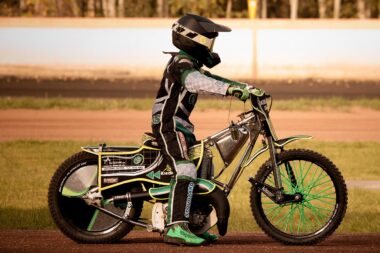

Understanding Recovery in Team Speedway
Recovery techniques for team speedway athletes are essential to ensure optimal performance and reduce injury risk. Effective recovery strategies implement both physical and mental components to help athletes restore their energy and focus. After intense training sessions or competitions, athletes need to allow their bodies adequate time to recuperate. This involves hydration, nutrition, and rest, making them integral to a successful recovery plan. Techniques such as stretching, foam rolling, and mild therapeutic modalities also contribute to improved muscle relaxation and increased flexibility. Incorporating a well-rounded recovery routine can significantly affect both an athlete’s endurance and strength. Moreover, monitoring recovery habits helps in tailoring personalized approaches for each athlete’s unique needs. Proper recovery enhances not only physical capabilities but also mental resilience, helping athletes tackle the mental challenges of the sport. Optimally recovering athletes are more likely to feel motivated, perform better, and maintain their competitive edge. Therefore, understanding various recovery techniques is vital for team speedway athletes aiming to achieve peak performance during both training and competition.
The Role of Nutrition in Recovery
Nutrition plays a pivotal role in the recovery process for team speedway athletes looking to ensure optimal performance. Fueling the body with the right nutrients promotes quicker recovery and readiness for subsequent training sessions. Athletes should focus on consuming a balanced diet that includes carbohydrates for energy replenishment, proteins for muscle repair, and healthy fats for overall health. Post-exercise, athletes must prioritize meals or snacks that include a mix of protein and carbohydrates within thirty minutes of finishing a workout. This timing window helps kickstart muscle recovery. Additionally, staying hydrated is crucial, as fluids help maintain optimal bodily functions and prevent fatigue. Incorporating foods rich in antioxidants can reduce inflammation and promote recovery by fighting oxidative stress within the body. Examples include berries, dark leafy greens, and nuts, which can be served as nutritious snacks. Athletes should also consider their personal taste preferences and potential dietary restrictions to ensure they meet the necessary caloric intake. An individualized nutrition plan can work wonders, enhancing both physical performance and recovery times during intense speedway training sessions.
The Importance of Sleep and Rest
Sleep and rest have an undeniable impact on recovery for team speedway athletes, influencing physical and mental performance. Adequate rest is necessary for muscle healing, and sleep quality significantly affects how well athletes recuperate after rigorous training. During deep sleep stages, the body repairs tissues, synthesizes proteins, and releases growth hormones that are essential for muscle recovery. Athletes should aim for seven to nine hours of quality sleep per night, ensuring they allow themselves enough downtime. Implementing a consistent sleep schedule can promote better sleep quality, making it easier to fall asleep and wake up refreshed. Additionally, incorporating power naps or short rest periods during the day can benefit athletes by reducing fatigue and improving focus. Establishing a relaxing pre-sleep routine, such as reading or gentle stretching, can help signal the body to wind down before bed. Limiting exposure to screens can also enhance sleep quality. Fostering a positive sleep environment with comfortable bedding and a cool room temperature can significantly boost recovery effectiveness, helping speedway athletes perform at their prime in competitions.
Active recovery techniques benefit team speedway athletes by involving light physical activities during rest days or after intense training sessions. These methods help maintain blood circulation and remove metabolic waste products, promoting tissue repair and reducing soreness. Light jogging, cycling, or swimming can improve flexibility and range of motion while providing a pleasant break from intense training. Engaging in yoga or Pilates sessions can enhance relaxation and improve core strength, essential for speedway athletes. Participating in low-impact activities allows athletes to stay engaged while minimizing risk for injury. Moreover, active recovery helps foster better mood and mental clarity, allowing athletes to stay focused and motivated. Athletes can collaborate with coaches or trainers to devise custom active recovery plans tailored to individual needs. Additionally, maintaining variety in these routines can keep training interesting, preventing psychological burnout. Having consistent check-ins with coaches about active recovery strategies can also ensure athletes remain on track for success, melding physical conditioning and well-being together effectively in their training. By incorporating active recovery, team speedway athletes can enhance their performance potential while promoting overall health.
Stretching and Flexibility Training
Incorporating stretching and flexibility training into recovery practices is critical for team speedway athletes. Flexible muscles and joints contribute to improved performance and decreased injury risk during competitions. Static stretching after workouts is essential for promoting muscle recovery, helping enhance overall flexibility. Athletes should devote time to major muscle groups, focusing on legs, hips, and back to alleviate tension developed during intense activities. Dynamic stretching can be included during warm-ups, preparing the body for rigorous training by enhancing blood flow and range of motion. Moreover, incorporating yoga sessions weekly can improve both physical and mental well-being while further enhancing flexibility. Specific techniques such as foam rolling and self-myofascial release can also aid in relieving tightness and muscle discomfort. These approaches allow athletes effectively to manage soreness while preventing injuries. Athletes should also be knowledgeable about their physiological responses to stretching, adjusting intensity as needed to facilitate progress. Combining stretching with proper breathing techniques can create a holistic recovery experience. A consistent flexibility routine will not only improve performance on the field but will extend athletes’ longevity in the sport while maintaining high competitive standards.
Utilizing cold therapy is an effective recovery technique for team speedway athletes, helping to reduce muscle inflammation and soreness post-exercise. Cryotherapy, ice baths, and cold packs serve various purposes, allowing athletes to target specific areas for relief. Applying cold therapy shortly after intense workouts can constrict blood vessels and reduce metabolic activity within the muscles. This action minimizes swelling and tissue breakdown, speeding up recovery times. Cold therapy can also help alleviate the pain associated with injuries, making it a popular choice among athletes. However, athletes should utilize cold therapy wisely, ensuring they do not overuse it to prevent adverse effects. It’s also important to listen to the body’s signals to ensure effective use. Athletes can alternate hot and cold treatments, known as contrast therapy, which can further enhance recovery by improving blood circulation. This method helps soothe sore muscles while aiding in the healing process. Incorporating cold therapy should be tailored to each athlete’s needs and preferences, ensuring they remain comfortable and motivated in their recovery routine. By utilizing these methods effectively, team speedway athletes can experience improved recovery outcomes.
Utilizing Technology for Enhanced Recovery
Team speedway athletes can greatly benefit from utilizing technology in their recovery efforts, improving performance and overall well-being. Wearable devices can track heart rates, sleep patterns, and activity levels, providing valuable insights into recovery progress. Athletes can use data from fitness trackers or smartwatches to determine when to push their limits or when more rest is needed. Apps designed for mindfulness and relaxation can also assist athletes in managing stress and improving their mental well-being. By incorporating breathing exercises or guided meditation sessions, athletes can regain focus during recovery times. Additionally, utilizing advanced recovery modalities like electrical stimulation devices or infrared therapy can help reduce inflammation and promote muscle healing. Athletes should regularly communicate with coaches or sports scientists to interpret collected data and adjust training plans accordingly. Gathering feedback from these tools helps athletes discern effective recovery strategies versus ineffective ones, ultimately enhancing performance potential. Virtual consultations with recovery specialists can also provide personalized guidance, ensuring athletes remain on track with their individual recovery goals. By embracing technology in their recovery habits, team speedway athletes can enhance both their physical and mental resilience.
Implementing mindfulness practices into recovery routines greatly enhances mental resilience and well-being for team speedway athletes. Mindfulness techniques, including meditation, deep-breathing exercises, and visualization, promote relaxation and help athletes manage anxiety related to performance. Fostering a calm mindset aids recovery periods, allowing athletes to recover both physically and mentally. Much like physical training, mental training is necessary, equipping athletes with tools to handle pressure during competitions. Dedicating a few minutes each day to practice mindfulness can improve focus and clarity in high-stress situations. Engaging in regular mindfulness exercises cultivates self-awareness, enabling athletes to recognize their thoughts, feelings, and physical sensations. Furthermore, creating a supportive training environment for mindfulness practices involving team discussions or guided sessions can help cultivate a strong sense of camaraderie and trust among athletes. Incorporating individual and team-based mindfulness workshops can prove beneficial in developing mental toughness collectively. Athletes become more empowered to handle challenges effectively, which can lead to enhanced performance on the field. Overall, integrating mindfulness strategies can create well-rounded athletes capable of managing the complexities of their sport effectively while maintaining peak performance.