
Using Yoga to Recover Flexibility After Injury
Injuries can significantly limit one’s range of motion, causing both physical and emotional distress. Yoga offers a holistic approach to rebuilding flexibility and strength post-injury. When combined with proper guidance, yoga practices can effectively rehabilitate muscles, ligaments, and tendons. Initiating a yoga journey can prove beneficial for both body and mind. Special attention should be given to specific areas that were affected. It is essential to consult a healthcare professional before beginning any yoga routines after an injury. Developing a tailored practice that addresses personal needs is crucial to avoid further issues. Consistency is key to reclaiming flexibility; regular practice allows gradual progress and improvement. Gentle stretches combined with mindfulness can foster a healing environment. Incorporating restorative yoga poses can facilitate relaxation while promoting blood flow to injured areas. Creating a supportive atmosphere, whether through tranquil settings or with a trusted instructor, can enhance emotional recovery. Proper alignment is paramount, not only in preventing further injury but also in cultivating awareness and understanding of body limitations. Adapting yoga practices to individual capabilities adds tremendous value to recovery efforts.
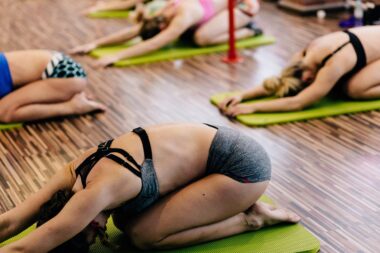
Once a basic understanding of yoga principles is established, it’s vital to explore specific poses that enhance flexibility without straining injured areas. Poses such as <strong>Downward-Facing Dog</strong> and <strong>Child’s Pose</strong> are excellent for nurturing the body while promoting healing. These postures encourage gentle stretching of major muscle groups while maintaining safety. Practicing poses while being mindful of your breath can elevate the experience, allowing focus on body sensations and reducing tension. Ensuring proper modifications for each pose can accommodate different stages of recovery; using props such as blocks can assist in achieving greater comfort. Additionally, integrating slow, controlled movements into practice fosters a stronger connection between mind and body. As flexibility returns, one can gradually introduce more challenging postures. Collaborating with yoga professionals is instrumental in creating personalized routines designed for specific rehabilitation journeys. This relationship fosters accountability and trust, which can significantly enhance motivation. Regular feedback from instructors aids in adjusting practices, ensuring they remain safe and effective. Ultimately, progressing responsibly helps prevent reinjury while fostering a deeper appreciation for body capabilities.
Listening to Your Body
Throughout the recovery process, the most crucial element is developing a strong relationship with your body. Understanding physical limitations and sensations is paramount for healing safely. Yoga encourages introspection and awareness of how various asanas feel in your body. Practicing meditation can support this process by clearing emotional blocks and reducing anxiety levels. Allowing oneself to process these feelings creates a more profound journey toward healing. When practicing yoga, listen closely to signals from your body, like discomfort or pain. It’s essential to distinguish the difference between stretching and pushing too hard. Adjustment and self-compassion are often necessary as one navigates recovery. Engaging in a dialogue with one’s body promotes a more meaningful practice. It helps cultivate patience, ensuring that practitioners embrace their progress, however small it may seem. Moreover, fostering this connection often leads to discovering new strengths, both physically and mentally. Sharing experiences with others on similar paths can also provide valuable insights and support. Online platforms or local communities present opportunities to share successes and challenges during the healing process, cultivating an enriching environment.
A comprehensive approach to flexibility recovery incorporates various elements beyond yoga practice alone. Nutrition plays an important role in healing and flexibility. Eating a balanced diet rich in vitamins, minerals, and hydration is necessary for supporting tissue repair and recovery. Whole foods filled with nutrients optimize bodily functions, particularly when healing from injury. Additionally, incorporating adequate protein into meals fuels muscle recovery. Stretching and strengthening exercises complement yoga in enhancing flexibility. Complementing yoga with activities such as swimming or gentle walking can provide variety and maintain workouts enjoyable. It’s important to remember that recovery is not a race; taking time and committing to gradual progress leads to longer-lasting results. Mindfulness in daily activities extends the benefits gained in yoga practice, contributing to a holistic approach to well-being. Finding enjoyment in these small daily adjustments fosters a well-rounded recovery experience. Celebrate milestones, regardless of size; acknowledging achievements boosts motivation and reinforces positive habits. Incorporating relaxation and stress management practices further enhances the recovery process, providing a comprehensive approach to regaining flexibility post-injury.
The Role of Community
Finding a supportive community can significantly enhance the recovery journey. Connecting with individuals who have experienced similar injuries fosters empathy and understanding. These relationships offer mutual encouragement, reminding participants they are not alone in their struggles. Local yoga studios often provide classes tailored to recovery, creating an inclusive environment dedicated to rehabilitation. Online groups and forums are also valuable resources for connecting with like-minded individuals who share one’s journey. Engaging in group classes can reintegrate social interactions, combating feelings of isolation that often accompany injury recovery. Sharing personal stories and progress helps foster a sense of belonging. Group settings often provide access to experienced instructors who can offer valuable guidance. Group dynamics also encourage accountability and contribute positively to motivation levels. Practicing yoga collectively strengthens a sense of unity and fosters mutual support. Additionally, inviting friends or family to yoga sessions can turn personal practice into something more significant, anchoring relationships in healing activities. Thus, community involvement is essential in reclaiming not only flexibility but also overall wellness post-injury, creating a well-rounded experience.
As flexibility begins to return after consistent practice, individuals may start exploring other forms of movement. Engaging in cross-training activities can promote strength and endurance, further enhancing flexibility gains from yoga. Tailoring a workout routine that balances various physical activities with yoga ensures holistic development and sustains interest. Activities such as cycling, dance, or martial arts can introduce newfound enjoyment while effectively enhancing flexibility. This diversified approach encourages exploring new movement patterns and techniques while preventing injury returns. Maintaining a schedule that allows for adequate rest and recovery is equally important. The body requires time to heal and adapt, and overtraining can be counterproductive, leading to setbacks. Finding the right balance between yoga and other physical activities requires experimentation and self-reflection. Being open to adjusting fitness regimens promotes long-term success. Regularly assessing progress fosters awareness of individual capabilities, encouraging participants to embrace their unique journey. Celebrating milestones inspires ongoing commitment to flexibility goals, ensuring practices remain enjoyable. Achieving newfound levels of flexibility enhances overall quality of life, empowering individuals to embrace a more active lifestyle.
Conclusion: Embracing the Journey
Ultimately, using yoga to recover flexibility after injury is about embracing the journey rather than focusing solely on the destination. Each individual’s recovery process is unique; recognizing this fosters patience and compassion for oneself. Many may encounter setbacks, but these moments are part of growth and developing resilience. Committing to a routine that incorporates yoga, mindfulness practices, and community support creates a nurturing atmosphere for recovery. As flexibility improves, individuals gain the confidence to engage in more challenging activities and explore new movements. This newfound sense of freedom extends beyond physical aspects, enhancing emotional well-being and fostering self-discovery. Completing this journey builds a solid foundation for resilience and strength, equipping individuals for future challenges. The transformation experienced through yoga fosters exploration and joy in movement, instilling a sense of empowerment. By integrating lessons learned during recovery into daily life, participants can sustain greater flexibility and overall health. Ultimately, embracing the journey of recovery shapes a deeper appreciation for one’s body and capabilities, celebrating every step of progress.
Using Yoga to Recover Flexibility After Injury
Injuries can significantly limit one’s range of motion, causing both physical and emotional distress. Yoga offers a holistic approach to rebuilding flexibility and strength post-injury. When combined with proper guidance, yoga practices can effectively rehabilitate muscles, ligaments, and tendons. Initiating a yoga journey can prove beneficial for both body and mind. Special attention should be given to specific areas that were affected. It is essential to consult a healthcare professional before beginning any yoga routines after an injury. Developing a tailored practice that addresses personal needs is crucial to avoid further issues. Consistency is key to reclaiming flexibility; regular practice allows gradual progress and improvement. Gentle stretches combined with mindfulness can foster a healing environment. Incorporating restorative yoga poses can facilitate relaxation while promoting blood flow to injured areas. Creating a supportive atmosphere, whether through tranquil settings or with a trusted instructor, can enhance emotional recovery. Proper alignment is paramount, not only in preventing further injury but also in cultivating awareness and understanding of body limitations. Adapting yoga practices to individual capabilities adds tremendous value to recovery efforts.