
Seasonal Outdoor Fitness Activities for Children
Outdoor fitness activities are vital for promoting a healthy lifestyle among children. They not only enhance physical fitness but also spark joy and cultivate a love for nature. Spring is an enticing time for outdoor play, perfect for enjoying organized activities. Children can engage in fun group games such as tag, capture the flag, and frisbee in local parks or backyards. Setting up obstacle courses with natural elements like logs and cones can stimulate interest and challenge rather than bore kids. Furthermore, spring is ideal for hiking, where kids can explore trails and valleys while learning about local flora. These interactions with nature can enhance environmental awareness. Utilizing beautiful weather for family walks or jogs can strengthen familial bonds and lay a solid foundation for a lifelong appreciation for fitness. Parents, guardians, and community centers should encourage daily outdoor play to foster motor skills. Shared activities can emphasize teamwork and establish social ties among young ones while engaging in fitness. Proficient planning could also mean setting up playdates with fitness goals, making outdoor activities a regular part of children’s lives. Thus, igniting a passion for fitness from a young age can lead to healthier adults.
Summer Outdoor Adventures
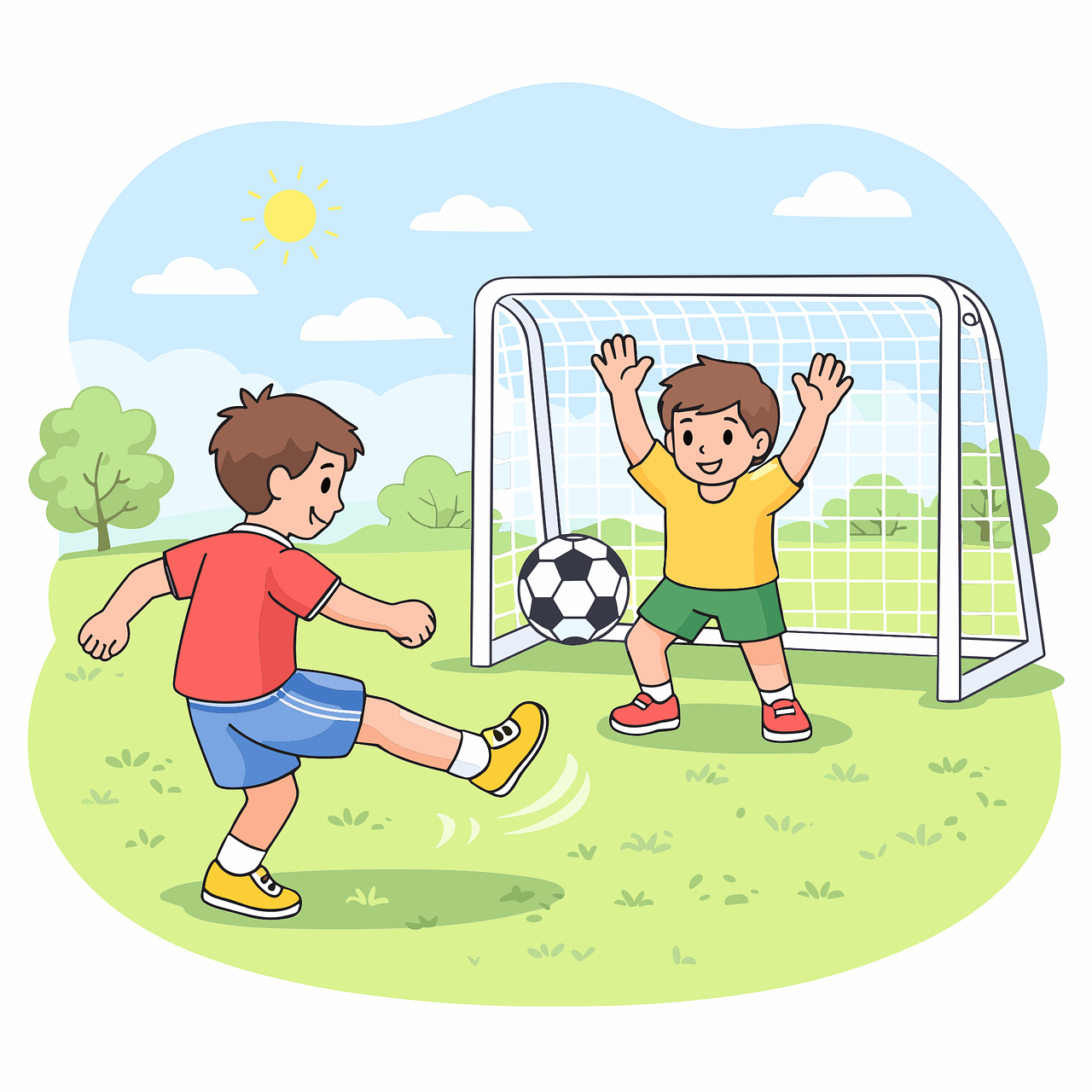
Summer is a thrilling season packed with opportunities for outdoor fitness. The warm weather offers kids endless choices for fun and active play. Activities like swimming, cycling, and outdoor games can significantly enhance physical fitness while maximizing enjoyment. Parents can arrange neighborhood bike rides, allowing children to not only develop biking skills but also explore their surroundings. Visiting local pools is another fantastic way to ensure children stay active while cooling off from the heat. Swimming is immensely beneficial in improving cardiovascular health. Playing soccer or beach volleyball at a community center or park promotes teamwork and coordination. Furthermore, organizing outdoor scavenger hunts can make fitness feel like an adventurous game, encouraging problem-solving and exploration. Tip: Mix physical activity with learning! Establish outdoor science experiments focused on nature, or embrace sports clinics that teach various skills. Another enjoyable summer activity is camping; it combines hiking, cooking, and various other physical activities. Outdoor fitness during summer can sculpt healthier habits that last a lifetime. This season can therefore become an exciting adventure for kids where family bonding, play, and fitness intertwine seamlessly. Thus, experiencing nature can yield countless physical and mental benefits for children.
As autumn approaches, it becomes essential to adapt outdoor activities to fit the beautiful weather. Autumn promotes vibrant scenery, making it a picturesque time for fitness as the cool air invites children outdoors. Nature walks can transform into nature observation sessions where kids learn about changing leaves and seasonal wildlife. A simple game of leaf collecting amidst vibrant hues may introduce them to particular tree species and their importance. Get active by organizing family hikes to nearby trails and enjoying the breathtaking foliage together, carving cherished memories. Schools and local groups might want to host fall sports days for children to engage in sports like soccer, football, and running tournaments. Autumn also calls for activities such as apple picking, where children can climb and explore while practicing hand-eye coordination. Setting up community bonfires that involve outdoor games can create excitement and foster teamwork among kids. Additionally, a seasonal running club can promote fitness through practice and preparation for school marathons. Consistent involvement in such activities encourages children to appreciate the outdoors while building physical endurance and strength. Therefore, embracing autumn transforms physical activity into a celebration of nature and shared experiences with family and friends.
Winter Wellness Through Outdoor Play
Winter often brings a tendency for inactivity, but there are numerous fun outdoor activities to keep children fit. Being active during this chilly season can be invigorating and enjoyable. Children can partake in activities like sledding, skiing, or skating, which can stimulate cardiovascular fitness while having a blast. Sledding down snowy hills not only brings joy but also engages various muscle groups. Skiing can introduce kids to a whole new sport, offering unique challenges and fostering coordination. Ice skating is another enjoyable winter fitness activity that boosts balance and strength while allowing children to socialize. Encourage families to bundle up and go for brisk walks, where they can take in the winter scenery and stay active. Seasonal sports like snowball fights or friendly games of snow soccer can add excitement while promoting teamwork and fitness. Develop community events focused on winter fun days filled with various snow-themed contests that invite children to embrace the cold while playing outdoors. Providing kids with winter gear encourages them to stay active outside. Therefore, winter can facilitate an active lifestyle, teach resilience, and enhance skills, ultimately generating joy and laughter.
Besides seasonal activities, planning year-round outdoor fitness offers developing skills and consistent engagement. Initiatives such as organizing weekend sports leagues can motivate children to participate regularly, forming habits around physical fitness. Clubs dedicated to soccer, baseball, or even hiking clubs can encourage socialization and bonding among kids. Partnering with local sports organizations to introduce various sporting events may also lead to increased participation rates. Classes like dance or martial arts outside provide opportunities for learning new skills while still being active. Educators should emphasize outdoor learning, combining academic education with active play, making it a holistic approach to fitness. Involving parents in these activities encourages family-centered fitness, enhancing the overall community spirit while keeping kids engaged. Schools might want to prioritize outdoor gym classes that offer versatility, incorporating various sports and activities throughout the year. Some regions may even establish kid-friendly obstacle courses for families to utilize, nurturing friendly competition and fitness tracking! Additionally, including community clean-up days reinforces environmental stewardship while serving as an excellent way for children to stay fit outdoors. Encouraging diverse outdoor engagements creates opportunities for sustained interest in fitness, ultimately contributing to an improved quality of life.
Benefits of Outdoor Activities
Outdoor fitness activities yield substantial benefits for children beyond physical health. Engaging in fitness outdoors enhances children’s social skills and emotional well-being, making it essential for their development. Activities foster teamwork, cooperation, and communication among peers, vital life skills for growing children. Children who engage in outdoor fitness often show improved self-esteem and confidence levels, bolstering their willingness to tackle challenges. Outdoor activities also promote mental health, as exposure to nature is known to reduce stress and enhance mood. Regular participation alleviates the feeling of anxiety while allowing kids to appreciate their environment. Additionally, outdoor activities can lead to better sleep patterns, getting children to utilize energy effectively throughout the day. Establishing a healthy routine ultimately shapes a productive mindset at school and home, laying a solid foundation for lifelong habits. Parents should encourage their children’s engagement in outdoor fitness to promote a balanced lifestyle. Not only will they reap health rewards, but the interpersonal skills gained from working with others remain advantageous throughout their lives. By fostering a culture that values outdoor fitness, families create memorable experiences while helping children grow holistically and healthily.
Introducing outdoor fitness concepts early engages children and nurtures beginner athleticism that could last a lifetime. Parents can set positive examples of active lifestyles that inspire kids to embrace fitness. By setting achievable fitness goals as a family, children can learn essential goal-setting skills, coupled with tracking achievements through various outdoor challenges. Encourage creativity by allowing kids to invent games or sports incorporating their interests, ensuring they value the joy of movement. Community organizations can provide educational workshops on healthy living, including nutrition and fitness. This additional layer of knowledge promotes a greater understanding of the importance of maintaining an active lifestyle, integrating it into daily habits. Organizing family days at local parks filled with a mix of fun and fitness can stimulate children to grow their love for nature. Encourage regular participation in events such as ‘fun runs’ focused on family and community bonding. Motivation stems from shared experiences! Making fitness a family affair solidifies desire and enthusiasm among children. Thus, investing in outdoor fitness from a young age serves as a platform for lifelong health while cultivating emotional connection and community inclusivity.
Concluding Thoughts on Outdoor Fitness
Overall, seasonal outdoor fitness activities play a significant role in children’s development, offering various physical, mental, and emotional benefits that recur year-round. Each season presents unique opportunities to engage kids in outdoor play, enriching their lives and creating joyful memories. Through active participation, social skills and teamwork flourish, leading to healthier relationships among peers. Parents and guardians should motivate children to partake in various outdoor activities, fostering an environment that emphasizes fitness. Schools and communities must collaborate to create programs that encourage engagement and a love for fitness through fun, challenging activities. Combining learning with play is essential in nurturing a profound appreciation for nature and health. By ensuring access to outdoor spaces and organizing community events that engage children, we can create opportunities for them to remain active throughout the year. Significantly, the family dynamic plays a crucial role in supporting an active lifestyle. Investing in outdoor fitness ultimately shapes children into healthier, happier individuals who appreciate movement, teamwork, and nature’s beauty. Thus, nurturing an active generation leads to decreased childhood obesity and healthier adults, reinforcing the importance of lifelong physical activity.