
Bodyweight Exercises to Correct Core Muscle Imbalances
Correcting core muscle imbalances is essential for improving overall fitness and stability. Engaging in specific bodyweight exercises can be an effective approach to enhance core stability. These exercises challenge the muscles around your abdomen, hips, and lower back, crucial for supporting physical activities. Unlike traditional weightlifting, bodyweight exercises engage multiple muscle groups simultaneously while focusing on functional movement patterns. Moreover, they can be performed anywhere without equipment, making them incredibly accessible. Prioritizing proper form during these exercises is critical to prevent injury and maximize effectiveness. Common mistakes include rushing through movements or compromising alignment. Therefore, ensure that you maintain control and focus on quality over quantity. We’ll explore various bodyweight exercises designed to target core imbalances, emphasizing their benefits and proper execution. Lastly, remember to listen to your body, gradually increasing intensity as your strength improves. Consistent practice of these exercises will lead to enhanced core stability, better posture, and ultimately, improved athletic performance. Incorporating a balanced routine enriched with bodyweight exercises ensures comprehensive development of core strength and stability, paving the way for a more resilient body and reducing the risk of injuries.
Plank Variations for Core Activation
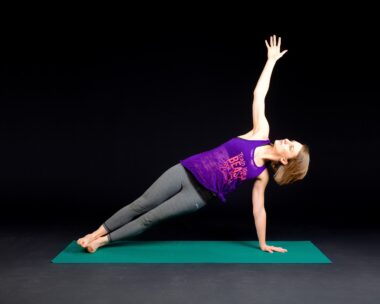
Planks are renowned for their ability to engage the entire core efficiently. To address specific muscle imbalances, various plank modifications can offer tailored benefits. For example, side planks isolate the obliques, while forearm planks enhance endurance in deep core muscles. Starting with the basic plank, ensure that your body forms a straight line from head to heels. Engage your core by drawing your belly button towards your spine. To make this exercise more challenging, try lifting one leg or arm at a time while maintaining stability. These variations not only enhance muscle activation but also improve your overall balance and coordination. Another beneficial approach is the plank-to-push-up transition, which further targets multiple muscle groups and increases core engagement. Aim to hold each variation for 20 to 60 seconds, gradually increasing the duration as your strength progresses. To avoid straining your lower back, ensure your hips don’t sag or lift excessively. Plank variations can be seamlessly integrated into your workout routine, providing a robust means to correct core imbalances while enhancing overall strength and stability important for everyday movements.
Another highly effective bodyweight exercise to correct core muscle imbalances is the bird-dog. This exercise focuses on stability, coordination, and balance while engaging multiple muscle groups in the core. Starting on all fours, you want to ensure that your hands are directly beneath your shoulders and your knees under your hips. As you extend one arm forward and the opposite leg back, it challenges your core to maintain balance. This motion simulates a combination of extension and rotation, further engaging the stabilizer muscles essential for core strength. Hold the position for a few seconds, keeping your back straight and hips level. Alternate between sides to promote balanced muscle development. Ideally, aim for three sets of eight to twelve repetitions per side. This exercise is beneficial, especially for those looking to improve lower back strength while reducing the risk of pain. Additionally, bird-dogs help in enhancing proprioception and neuromuscular control, as they require you to focus on body positioning. By integrating this exercise into your routine, you can fortify core stability, leading to improved performance in various physical activities.
Bodyweight Squats for Core Engagement
Bodyweight squats are more than just a lower body exercise; they provide significant core engagement as well. Performing squats correctly requires necessary core stabilization to maintain balance and execute the movement properly. Start by standing with your feet shoulder-width apart, ensuring your weight is in your heels as you lower your hips down towards the ground. Keep your chest lifted and back straight to prevent injury. As you squat down, engage your core to stabilize your lower back and pelvis. To enhance the effectiveness of squats for core activation, consider adding variations such as goblet squats or single-leg squats. Goblet squats entail holding a weight or object close to your chest while squatting, and single-leg variations further challenge your balance and stability. Aim for three sets of ten to fifteen repetitions for general strength and endurance. Focusing on the proper form, depth, and control will foster optimal muscle engagement in both the lower body and core regions. Integrating squats into your routine improves overall core strength and provides a solid foundation for more complex movements and exercises.
Another excellent exercise for core stability is the reverse lunge. This movement primarily targets the lower body while demanding significant engagement from the core to maintain posture and balance. Begin standing tall before stepping back into a lunge, ensuring your back knee approaches the ground without actually touching it. Focus on keeping your upper body straight and core engaged as you lower yourself, and make sure your front knee does not surpass your toes to prevent injury. The reverse lunge helps improve unilateral strength, ensuring you develop balanced muscle function on both sides of your body. Therefore, incorporating this exercise can address muscle imbalances between legs while enhancing core stability. Aim for three sets of eight to twelve repetitions per leg. To further challenge your core, you can experiment with pulses at the bottom of the lunge or add a twist by bringing your opposite elbow towards your front knee as you lunge. This additional movement demands more from your core. By routinely incorporating reverse lunges, you are improving strength and stability, contributing to enhanced athletic performance and everyday functionality.
Mountain Climbers for Dynamic Stability
Mountain climbers present an exceptional dynamic exercise focusing on core stability, agility, and cardiovascular endurance. Starting in a high plank position, engage your core and bring one knee towards your chest, switching legs rapidly in a running-like motion. This exercise is excellent for building core strength and stability while also raising your heart rate. To perform mountain climbers effectively, ensure your back remains straight while moving and avoid sagging your hips. Maintaining a steady pace allows for better muscle control and enhances engagement in both the abdomen and hips. Aim for performing the exercise continuously for 30 seconds to one minute, taking brief rest intervals in between. To increase the challenge, consider adding variations such as cross-body mountain climbers, which require bringing your knees towards the opposite elbows. This variation not only engages the core but also enhances rotation and stability. Integrating mountain climbers into a suitable workout can intensify your core regimen. They are an excellent choice for those seeking to combine strength training with a cardiovascular element, effectively enhancing overall fitness and core stability.
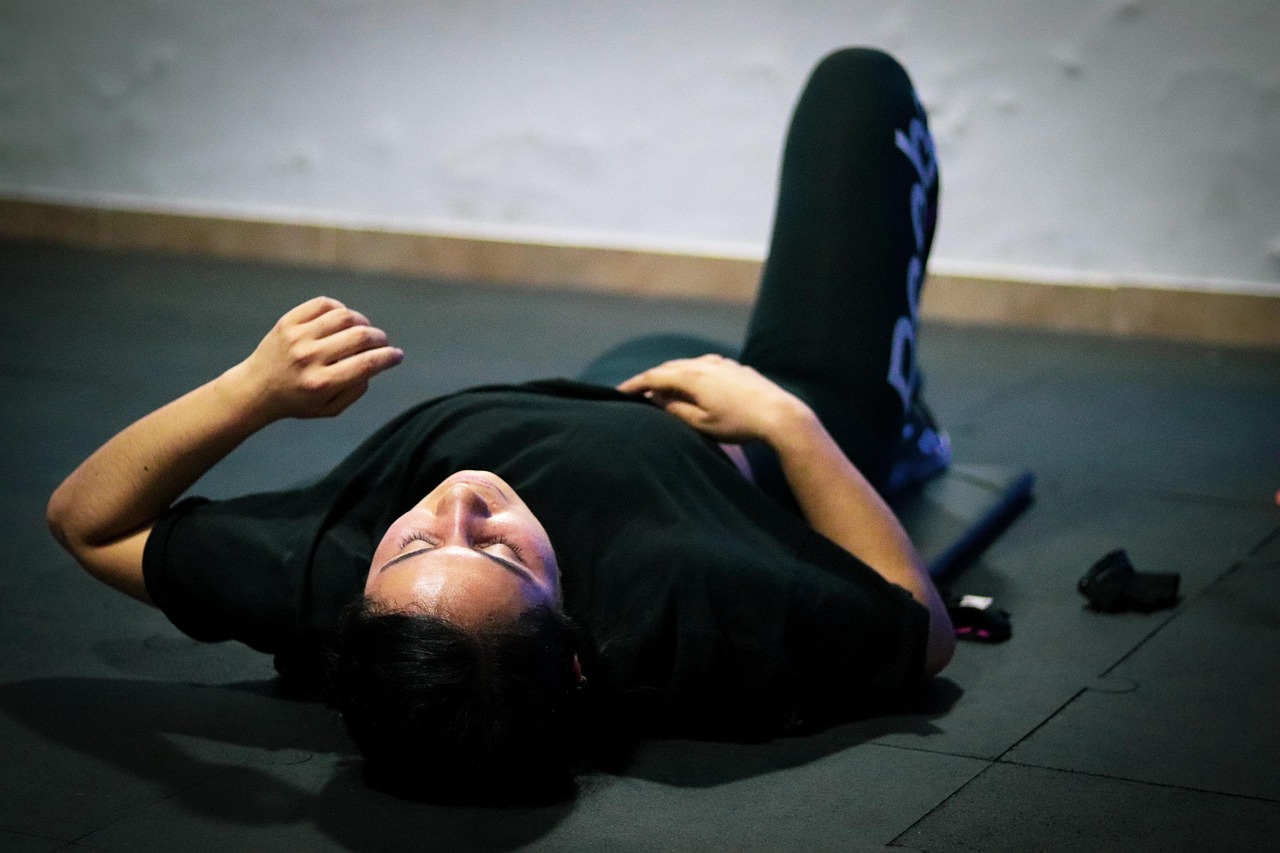
Incorporating the hollow body hold is another viable approach for improving core stability and strength, specifically targeting the rectus abdominis. To perform the hollow body hold, begin by lying on your back with your arms extended above, and legs straight. Lift your shoulders and legs off the ground while pressing your lower back into the floor. Hold this position, creating a curving shape similar to a banana. Ensure that your core remains engaged to keep the lower back flat against the ground. It is crucial to breathe deeply while holding this position for stability; aim for holding the position for 20 to 60 seconds. Gradually increase the duration as your strength builds. To elevate the challenge further, consider performing leg lowers from this position, alternating between straightening and bending your knees. This supplemental movement intensifies the core engagement required for stabilization. By integrating hollow body holds into your regimen, you engage deeper core muscles, essential for overall stability and strength. This exercise plays a significant role in enhancing performance during other core exercises, leading to marked improvements over time.
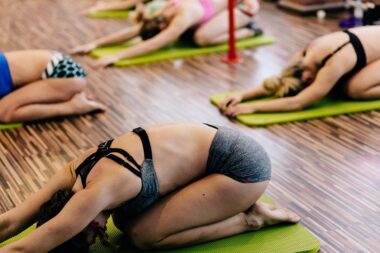
Lastly, it is essential to compliment your bodyweight exercises with proper warm-up and cool-down sessions to facilitate optimal performance and prevent injuries. Engaging in dynamic stretching before workouts will prepare your muscles for the movements ahead, making them more pliable and responsive. Likewise, incorporating cooldown stretches post-exercise helps in promoting flexibility and reduces muscle soreness. Activities such as yoga or Pilates can be beneficial for enhancing core strength and flexibility. They also incorporate mindfulness, improving body awareness crucial for maintaining proper form during workouts. Regularly engaging in these mindful practices brings attention to imbalances, allowing you to identify and correct them efficiently. Along with strengthening your core, proper nutrition also plays an integral role in achieving desired fitness results. A balanced diet ensures your body receives the necessary nutrients to recover and rebuild muscles post-exercise. It is equally important to hydrate adequately before, during, and after workouts for optimal performance. Remember that consistency and mindfulness are key. By establishing a well-rounded routine and committed mindset, you will see significant improvements in core stability, benefiting overall health and fitness.