
Effective Yoga Sequences for Post-Round Recovery
Golf is a physically demanding sport requiring flexibility, strength, and endurance. After a long day on the course, golfers often experience fatigue and stiffness, making recovery vital. One effective way to enhance recovery is through yoga. Incorporating specific yoga sequences designed for golfers can alleviate muscle tension, improve circulation, and promote relaxation. These post-round yoga routines can assist in restoring balance to the body and mind after the demands of a round of golf. By dedicating time to yoga, players can deepen their practice while nurturing their physical health. Emphasis should be placed on stretches that target the muscles heavily utilized during a game, such as the hip flexors, back, and shoulders. Each sequence should focus on holding poses that foster deep breathing, allowing for a greater release of tension. After a long round, it’s essential to listen to your body and honor its needs. Thus, practicing yoga becomes an integral part of a golfer’s routine, ensuring each player remains fit and ready for their next game, while also promoting mental calmness and clarity essential for the sport.
Benefits of Yoga for Golfers
Incorporating yoga into your fitness regimen can yield numerous benefits that directly enhance your golfing performance. One primary benefit is the improvement in flexibility, allowing golfers to achieve a greater range of motion during their swings. This flexibility can lead to more powerful and accurate shots. Yoga also strengthens the core muscles, which play a crucial role in maintaining balance and stability on the course. A strong core reduces the risk of injuries and helps golfers maintain proper form throughout their swings. Additionally, practicing yoga enhances focus and mental clarity, providing a competitive edge during a game. Through various breathing techniques taught in yoga, players can learn to manage stress and anxiety that often accompany tournament play. This mental fortitude is key in achieving consistency and excellence on the greens. Moreover, the relaxation techniques in yoga can aid in recovery, allowing muscles to heal faster between rounds. Overall, regular practice can lead to improved physical ability and a more enjoyable golfing experience, maximizing the connection between mind, body, and swing.
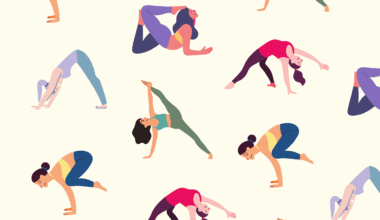
To effectively target areas of concern for golfers, specific yoga poses can be incredibly beneficial after a round. For instance, the Downward Facing Dog pose stretches not only the hamstrings but also the calves, promoting blood flow and flexibility. Additionally, the Pigeon pose opens the hips, which can become tight after long periods of walking and swinging. The seated forward bend is another essential pose, as it targets the lower back and provides a calming effect. Engaging in a gentle twist, such as the Reclined Spinal Twist, helps to realign the spine while releasing tension accumulated in the back and shoulders. A gentle flow sequence, incorporating poses like Cat-Cow and Child’s Pose, can also help relieve any residual strain while simultaneously encouraging deep breathing. This connection between movement and breath fosters relaxation and aids in mental recovery. It’s essential to take the time after each round for these restorative practices, focusing on mindfulness as you settle into each pose. By prioritizing recovery through these designated yoga sequences, golfers can significantly enhance their overall wellness and longevity in the sport.
Sample Yoga Sequence for Recovery
Introducing a well-organized yoga sequence specifically for golfers can help streamline the recovery process post-round. Start your routine with a few minutes of deep breathing in a comfortable seated position, allowing your mind to transition from the course to relaxation. Follow this with a gentle warm-up, incorporating neck rolls and shoulder shrugs to loosen tight muscles. Next, move into a Downward Facing Dog pose to begin stretching the hamstrings, calves, and shoulders. Hold the pose for several breaths, focusing on elongating the spine. Transition into the Pigeon pose on both sides to promote hip flexibility and release tension. Follow Pigeon with a Seated Forward Bend, allowing the body to gently fold, capturing the spirit of relaxation. Incorporate some gentle spinal twists, switching sides to enhance back flexibility and alignment. Conclude the sequence with a long-held Supported Bridge pose, using a yoga block, to encourage relaxation throughout the body. Make time for Savasana at the end of your practice, focusing on remaining still, allowing your body to absorb the benefits of the sequence, restoring both body and mind.
Consistency in practicing yoga is crucial for golfers looking to enhance their performance and recovery. Dedicate time to these yoga sequences, preferably on days following a game, to reap the full benefits. Engaging in yoga can deliver enhanced flexibility and strength not only for the short term but also for long-term health. Many golfers find that incorporating yoga at least two to three times per week can yield significant results. Consider scheduling longer sessions as part of your routine to allow for more extensive practice. For the best outcomes, pair your yoga sessions with hydration and nutritious meals to support your body’s recovery. It’s also beneficial to track your progress, noting improvements in flexibility, strength, and mental clarity over time. Creating a dedicated space at home or seeking local classes may inspire a more profound practice. By viewing yoga as an indispensable element of your fitness journey, you become more invested in your recovery, translating directly to improved performance on the golf course. Ultimately, the connection between mind and body fosters a more enriched golfing experience.
Incorporating Mindfulness into Yoga
Mindfulness plays an integral role in yoga practice, especially for athletes like golfers. By merging mindfulness with yoga, golfers can enhance focus and personal awareness, both critical for success on the course. Mindfulness encourages being present in the moment, which is essential when executing precise shots or strategizing plays. Begin your yoga practice with intentions, focusing on aspects you’d like to improve during upcoming rounds. This approach can sharpen your mental skills and promote a stronger mindset during play. Throughout your poses, incorporate mindful breathing techniques, noticing how breath correlates with each movement. Each inhale can bring energy, while every exhale serves to release tension and stress. Challenge yourself to maintain concentration in each pose, avoiding distractions. This practice of staying present extends beyond the mat, helping to translate awareness into your game. Consider reflecting on your practice after each session, assessing areas of growth and how mindfulness impacts your performance. Embrace the profound connection between yoga and mentality, recognizing that success is equally about the mindset as it is about technique and skill.
To maximize recovery and performance, consider pairing yoga with other practices that support golf fitness. For instance, strength training can complement the flexibility gained through yoga, resulting in a balanced body that responds better to the demands of the game. Focus on functional strength exercises targeting core stability and lower body power. Additionally, integrating aerobic conditioning can enhance stamina, vital for enduring longer rounds without fatigue. Cross-training with activities like swimming or cycling can aid overall fitness while allowing muscles to recover and refocus before returning to the golf course. Nutrition also plays a significant role: consuming whole foods rich in nutrients can support recovery post-exercise. Eating protein post-round helps replenish muscles to ensure they are ready for the next round. Lastly, don’t forget about hydration, as water intake is crucial for performance. By intertwining various practices like yoga, strength work, and proper nutrition, golfers can create a holistic approach to fitness that enhances resilience and longevity on the course. This balanced formula not only addresses physical fitness needs but also fosters mental clarity essential for reaching golfing goals.