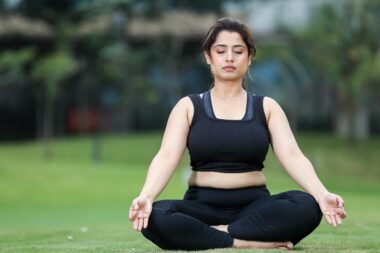

Meditation Psychology Insights into Athlete Self-Awareness and Growth
Meditation psychology offers profound insights into athlete self-awareness and personal growth. Athletes often face immense pressure, demanding performance, and relentless competition. Amid these challenges, meditation serves as a tool to enhance focus and emotional balance. Through mindfulness practices, athletes can cultivate greater awareness of their thoughts, emotions, and physical sensations. This acute awareness allows them to identify performance patterns that both facilitate and hinder their progress. Many athletes report enhanced confidence as they learn to navigate distractions more effectively through regular meditation. As a result, they develop a deeper connection to their inner selves, ultimately transforming their mental processes. A pivotal aspect of this transformation is establishing resilience, allowing athletes to bounce back from setbacks. Meditation encourages self-forgiveness, enabling them to learn from their experiences without harsh self-judgment. Additionally, meditation fosters a state of flow critical for peak performance. Athletes enter this state when they focus entirely on their task, leading to optimal execution in challenging scenarios. The practice of meditation not only nurtures self-awareness but also instills a sense of tranquility, essential for maintaining balance in an athlete’s demanding life. Regular meditation aids athletes significantly in their growth journey, leading to holistic development.
The Science Behind Meditation and Performance
The benefits of meditation for athletes extend beyond mere anecdotal accounts; research supports its efficacy. Numerous studies reveal how meditation positively influences cognitive functions vital for athletic performance. For instance, improved concentration is a primary benefit athletes gain through consistent meditation practice. Enhanced attention span allows athletes to follow their game plan more effectively without succumbing to external pressures. In high-stakes environments, maintaining a calm mind becomes essential for optimal performance. Moreover, meditation has been shown to reduce anxiety before competition, allowing athletes to face challenges with a grounded mindset. Emotional regulation, a byproduct of meditation, enables athletes to manage their reactions better, whether in training or competition. This aspect is critical, as it often determines success or failure in sports. The physiological effects of meditation, such as reduced heart rate and lowered cortisol levels, contribute to overall performance enhancement. Furthermore, athletes practicing mindfulness report better body awareness, helping them to prevent injuries through improved body mechanics. Relying on mindfulness enables athletes to distinguish between fatigue and genuine capability, ensuring they train intelligently. These scientific insights underline the importance of incorporating meditation into athletes’ training regimens for maximizing performance.
Developing a meditation practice does not require lengthy sessions; short bursts can be just as impactful. Many athletes benefit from integrating a few minutes of meditation during their daily routines. These brief sessions offer a chance to recenter and mentally prepare for upcoming challenges. Meditation techniques vary, including focused breathing, visualization, or body scanning. This flexibility allows athletes to choose practices that resonate with them personally. For example, visualization techniques enable athletes to mentally rehearse their performance, fostering confidence and clarity ahead of their events. Additionally, creating a peaceful environment enhances meditation effectiveness. Athletes are encouraged to seek quiet spaces, free from distractions, enhancing their focus during sessions. Techniques can be adapted according to individual preferences, empowering athletes to find the balance that suits them best. Consistency is crucial; setting a regular schedule helps reinforce habits. Many athletes report that the cumulative effects of daily meditation lead to significant improvements over time. Moreover, maintaining a meditation journal encourages reflection, enabling athletes to track their emotional responses and performance outcomes. This journal serves as an invaluable resource, guiding their meditation practice and providing insights into their psychological growth as they progress in their athletic endeavors.
Meditation during Competition
Implementing meditation techniques during competition can be transformative for athletes. It helps manage the stress and uncertainty of performance situations, allowing athletes to focus solely on their tasks. Some elite competitors incorporate brief mindfulness exercises between events or during pauses to maintain clarity. Simple breathing techniques can ground athletes effectively, creating a buffer against overwhelming stress. Others might employ visualization tactics right before their moments of competition, picturing successful execution in their minds beforehand. These strategies not only enhance performance by minimizing anxiety but also promote a sense of control. By cultivating a strong mental presence, athletes can navigate the emotional roller coaster that competition often brings. Regular practice embeds these mental strategies deeply within their subconscious, ensuring a swift transition into a focused state when required. Furthermore, participating in group meditation exercises before events cultivates camaraderie among teammates, syncing shared mental states and fostering unity. Such practices enhance team dynamics, ensuring that all members approach their competition mentally aligned. The potential of these techniques is vast; mastering them can elevate not just personal performance but also prepare athletes to engage collectively in high-pressure scenarios with confidence and poise. The synergy between meditation and competition creates a significant psychological edge.
The journey through meditation often unveils internal dialogues that may hinder an athlete’s self-awareness. Unpacking these thoughts can be challenging, yet it is crucial for growth. Athletes frequently confront self-doubt, fear of failure, and comparison with others, which can cloud their focus. Meditation facilitates confronting and reshaping these dialogues, providing clarity and resolution. Engaging with negative self-talk during meditation can help athletes develop resilience and a more positive inner narrative. As their self-awareness deepens, they begin to recognize their strengths and weaknesses objectively. The insights gained from this inner exploration empower athletes to shift their focus away from external validation. Instead, they begin to find fulfillment in their personal progress and achievements. Additionally, developing compassion towards oneself is an essential aspect of this process. Athletes learn to embrace their imperfections as stepping stones toward improvement, cultivating a healthy relationship with failure. This perspective shift enhances their mental toughness, making them more adaptable in various circumstances. Ultimately, this journey enriches their overall athletic experience, allowing them to prioritize sustainable growth over quick results. Meditation thus becomes a powerful ally in their lifelong quest for excellence.
The Importance of Community and Support
Engaging in meditation within a supportive community amplifies its benefits for athletes. Sharing experiences with peers creates an environment of understanding and encouragement. Athletes who meditate together can exchange insights, fostering growth through communal learning. Group meditation sessions allow members to motivate one another and share successes or obstacles in their journeys. This communal aspect reinforces the idea that meditation is not solely a solitary endeavor but a shared practice that nurtures collective well-being. Furthermore, discussing their mental challenges openly decreases the stigma around vulnerability, promoting healthier mental habits. As athletes develop stronger bonds with their peers, these connections afford a safe space to explore emotions. Coaches, too, play a pivotal role in supporting athletes’ meditation practices. By advocating for mindfulness, they create a culture of mental wellness, emphasizing its importance in performance. Coaches who practice meditation can also model these techniques to their teams, fostering understanding. Incorporating mindfulness workshops into training regimes allows athletes to learn formal techniques, promoting engagement in mindfulness as an ongoing practice. The synergistic relationship between individual growth and communal support shapes athletes holistically, ensuring they flourish not only as competitors but also as well-rounded individuals.
The journey of integrating meditation psychology into an athlete’s routine is indeed transformative. With consistent practice, athletes can experience a shift in their overall performance and well-being. They begin to notice improvements in focus, resilience, and their ability to handle pressure. This transition often leads them to become more self-aware, acknowledging their emotional and psychological needs more effectively. As they cultivate a balanced mental state, their relationships on and off the field improve significantly. This holistic approach connects mental health to athletic performance, proving that one cannot exist without the other. As athletes learn to pause and reflect, they become better equipped to make decisions, guiding their professional journeys intentionally. Whether it is through individual reflection or team meditation sessions, the right mindfulness practices allow athletes to reach their fullest potential. Such growth extends beyond sports, impacting their daily lives. Many find the principles learned through meditation applicable in challenging life situations, helping them to remain composed. These valuable insights ultimately lead to sustainable long-term success, fostering not only athletic achievements but also personal fulfillment. The synthesis of meditation psychology and athletic practice nurtures a generation of mindful athletes who thrive both in competition and in life.