
Alcohol and Kickboxing: Understanding the Impact on Nutrition
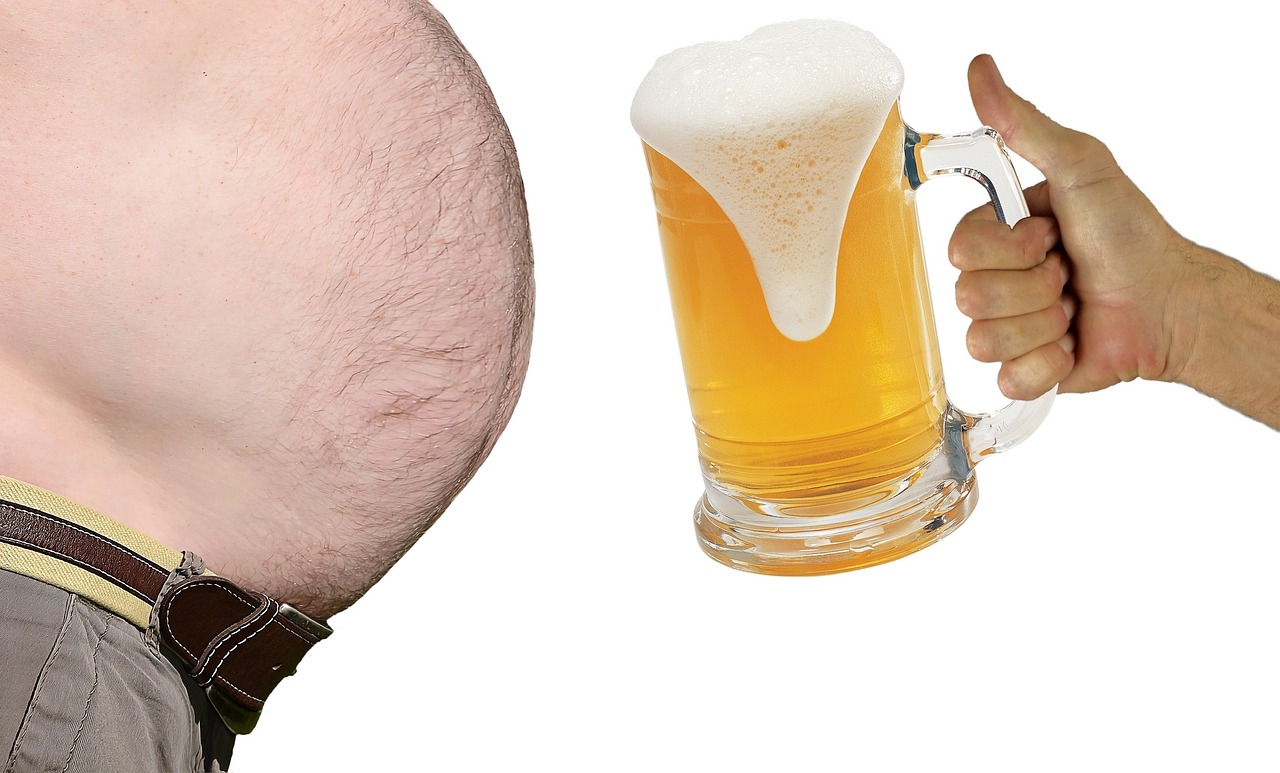
Kickboxing, a popular combat sport, requires optimal nutrition for peak performance. Athletes often overlook how alcohol consumption can significantly affect their nutrition. Alcohol provides empty calories, meaning it offers no essential nutrients and can contribute to weight gain. This is detrimental for kickboxers needing to maintain their weight class while maximizing strength and endurance. Furthermore, alcohol is a diuretic that can lead to dehydration, which is critical in a sport that demands peak hydration levels for muscle performance. When kickboxers consume alcohol, their metabolism can slow down, impeding recovery times and muscle repair. Additionally, nutrient absorption rates are negatively affected by alcohol, making optimal nutrition even more challenging. It’s crucial for athletes to understand the timing of alcohol consumption surrounding training and competitive events. Limiting alcohol intake before a fight or intense training can enhance overall athletic performance, minimize the risk of injuries, and ensure that kickboxers can recover effectively. Awareness of the impact of alcohol on dietary choices is essential for kickboxers to achieve optimal performance in their sport while maintaining their health.
In kickboxing, nutrition plays a pivotal role, and the effects of alcohol must be well understood. Alcohol consumption impacts the body’s ability to recover post-workout, an essential part for kickboxers. After training, the body needs nutrients for muscle repair and replenishing glycogen stores, both of which are compromised when alcohol is consumed. This leads to prolonged recovery times, affecting training schedules and overall performance. Moreover, alcohol alters hormone levels, particularly testosterone and cortisol, which are crucial for muscle growth and recovery. Elevated cortisol can lead to increased fat storage, something kickboxers should avoid to stay competitive. Alongside these physiological effects, alcohol can diminish mental sharpness and focus, necessary attributes in a combat sport where reaction times are critical. Impairment in cognitive function can lead to diminished performance during both training and contests. Additionally, the social aspect of alcohol can tempt athletes to consume it more often than they intend, further complicating their adherence to nutritional goals. Effective education on the impact of alcohol related to kickboxing will help athletes make informed decisions about their health and performance strategies.
The Detrimental Effects of Alcohol on Performance
The relationship between alcohol and performance in kickboxing cannot be overlooked. Alcohol consumption can lead not only to slower reaction times and impaired judgment but also to a decrease in overall endurance. These factors impact the athlete’s ability to endure long training sessions or matches. Additionally, alcohol contributes to muscle fatigue, often replacing vital recovery nutrients that athletes need after intense workouts or fights. This fatigue can subsequently discourage training intensity, leading to a downward spiral in performance levels. Furthermore, excessive drinking can interfere with sleep quality, which is paramount for recovery and peak physical performance. Kickboxers require restorative sleep for muscle repair and cognitive function, both of which are adversely affected by alcohol consumption. Furthermore, the risk of injury increases when athletes are not in peak condition, both physically and mentally. The mental fog that accompanies drinking can lead to accidents during training or competition. Recognizing these risks is necessary for kickboxers looking to maintain a high level of performance while achieving their nutrition and health goals.
Kickboxers must also consider the timing of alcohol consumption concerning their training schedules. Consuming alcohol close to training sessions or competitions can significantly hinder performance. The body requires time to metabolize alcohol, which is a process that interrupts normal physiological functions. Ideally, those serious about kickboxing should stagger their alcohol intake, ensuring there is sufficient time for the body to recover before intense physical exertion. Often, kickboxers may find themselves socially pressured to partake in drinking while still aiming to compete at their highest level. Understanding their body’s needs, and prioritizing competitive success over social norms, is vital. Education on the potential negative consequences of mixing kickboxing with alcohol can lead to informed choices regarding consumption and training. Kickboxers should also create a supportive environment where their social circles understand and respect their dietary preferences and competition needs. Establishing healthy social habits can reinforce positive lifestyle choices, fostering an environment conducive to athletic success. Thus, managing alcohol consumption around training and competitive events becomes essential in sustaining optimal performance.
Strategies for Alcohol Moderation in Kickboxing
To maintain nutritional integrity while engaging in kickboxing, moderation is key. Kickboxers should set clear boundaries regarding alcohol intake if they choose to drink socially or recreationally. Incorporating strategies like having alcohol-free days or limiting drinks per occasion can aid in achieving balanced nutrition and performance levels. Additionally, sticking to lower-calorie beverage options can minimize the caloric impact of alcohol. Furthermore, developing an understanding of personal limits with alcohol helps prevent detrimental effects on overall health and fitness. Engaging in discussions with a nutritionist or sports dietitian familiar with kickboxing can provide tailored guidance for athletes. Education around alcohol’s effects on nutrient timing and hydration can further reinforce proper practices. Kickboxers can also focus on maintaining their primary hydration through water or electrolyte drinks, especially when alcohol is involved. This practice helps offset the dehydrating effects of alcohol. They can even replace alcoholic beverages with healthier alternatives, such as mocktails. The concept of balance extends to maintaining social interactions without sacrificing quality nutrition, ultimately supporting athletes in their kickboxing journey.
In conclusion, kickboxers must recognize the implications of alcohol consumption on their nutrition and performance. Understanding that alcohol brings negative consequences relative to calorie intake, hydration, and muscle recovery empowers athletes to make healthier decisions. They can explore various pathways to limit alcohol intake while still participating in social environments. Strategies for moderation are crucial in combining the enjoyment of social drinking with the rigor of kickboxing. Maintaining an open dialogue about dietary choices, alcohol consumption, and performance goals can help create a supportive community among fellow kickboxers and trainers. Furthermore, the need to prioritize health, nutrition, and performance over occasional indulgence should be consistently emphasized. Athletes can consult resources and literature pertaining to kickboxing nutrition for enhanced education. Overall, adhering to thoughtful, informed practices regarding alcohol will contribute positively to their training, performance, and long-term health. By emphasizing the significance of nutrition and making conscious decisions about alcohol, athletes can pave the way for greater achievements in their kickboxing careers while preserving their well-being.
Final Thoughts on Kickboxing Nutrition
As kickboxing continues to thrive as a popular sport, education about nutrition, including the effects of alcohol, remains essential. Incorporating familiar concepts into training regimens and dietary practices will help kickboxers achieve optimal well-being and performance. The potential adverse effects of alcohol on hydration, recovery, and overall health require attention to detail and education. By fostering a mindset that prioritizes health and nutrition, kickboxers can navigate their athletic journey more effectively. Continuous learning about dietary impacts allows athletes to modify their behaviors, promoting better choices in alcohol consumption and overall nutrition. Engaging in regular discussions within the kickboxing community helps bolster awareness on subjects like nutrition and training methods. From trainers to fellow competitors, collective education can lead to more informed and health-conscious decisions in relationships with alcohol. Thus, creating a culture of health and performance in kickboxing translates to stronger athletes, both in the ring and in life. Kickboxers will ultimately be better equipped to face challenges head-on, knowing that mindful nutrition is part of their success strategy.
For athletes committed to kickboxing, a very important part of their training is understanding the balance between nutrition and lifestyle choices. As they continue to hone their skills in this dynamic sport, making wise decisions about alcohol consumption can substantially influence success. Athletes should leverage their knowledge and resources to optimize their performance and well-being. Establishing sensible habits around alcohol consumption fosters longevity within the sport and promotes an overall healthier lifestyle. Kickboxers can emerge victorious not only in the ring but also in achieving their personal health and nutrition goals by remaining disciplined. A balance between their commitments to training and social activities allows athletes to maintain their edge while being part of a social environment. By turning the focus toward health-oriented behaviors, kickboxers can thrive in both aspects of their lives. Sustainable practices lead to mastery of their craft while retaining energy and focus. As they advance, these kickboxers create a foundation for a fruitful journey that extends beyond their fighting careers, leading them toward enriched lives, enhanced health, and unparalleled success.