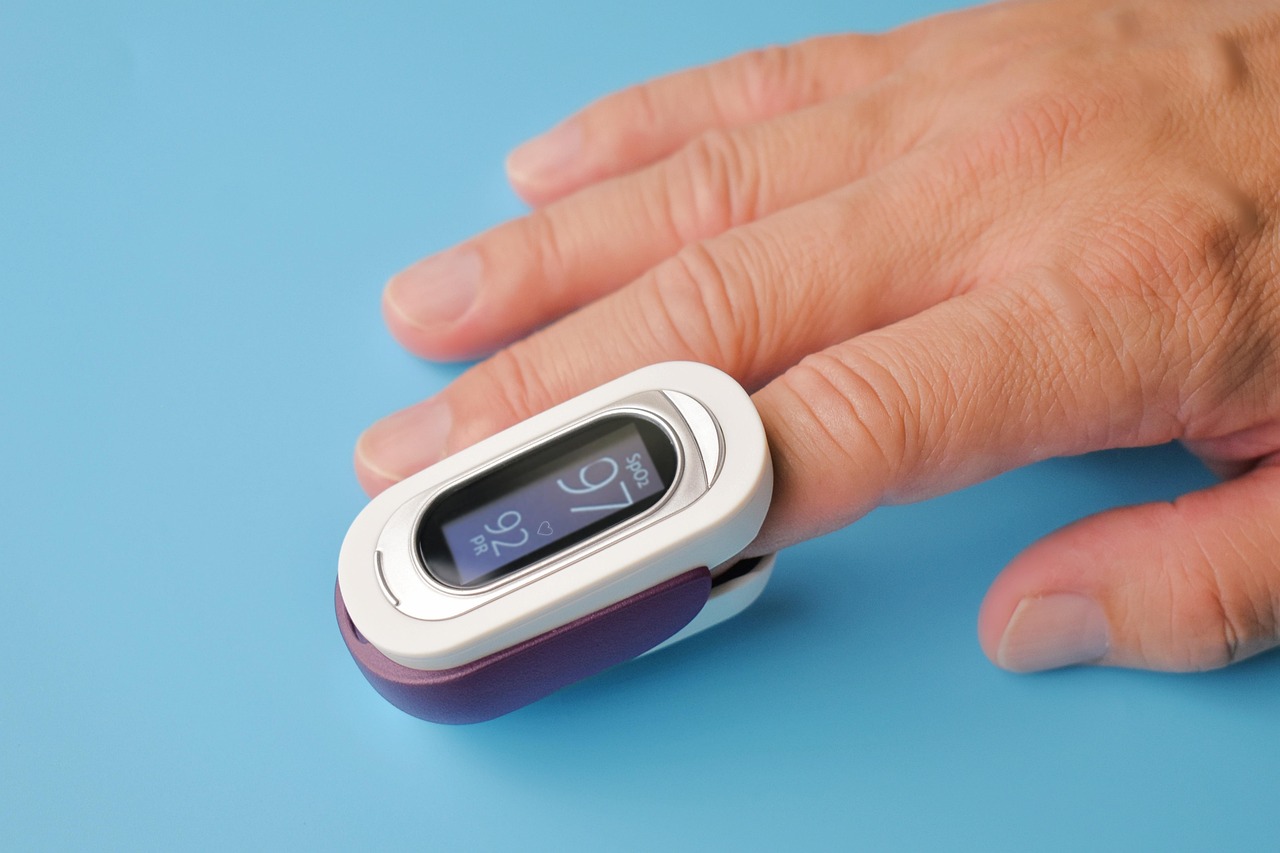

The Role of Oxygen Saturation Monitoring in Sleep Studies for Athletes
Understanding the impact of sleep on athletic performance is crucial for athletes at all levels. Sleep studies provide insights into sleep patterns, disruptions, and overall recovery. Among various factors assessed during sleep studies, oxygen saturation levels play a vital role. Oxygen saturation refers to the amount of oxygen carried in the blood, which is essential for maintaining bodily functions during sleep. Low oxygen saturation can lead to severe health implications, including reduced athletic performance. Monitoring oxygen levels during sleep helps identify potential sleep apnea or other breathing issues. Sleep apnea can cause interruptions in breathing, leading to reduced oxygen levels and fragmented sleep. For athletes, proper oxygenation during sleep is essential for muscle recovery, cognitive function, and overall well-being. Athletes with undiagnosed sleep-related issues may not achieve optimal performance. Hence, assessing oxygen saturation levels during sleep tests can support the identification of these conditions. In essence, this monitoring technique is an invaluable tool in the arsenal of sleep research focused on athletes. By ensuring adequate oxygen supply, athletes can enhance their recovery and prepare mentally and physically for their sport. Restful sleep plays a foundational role in athletic excellence.
The monitoring of oxygen saturation during sleep studies also contributes to personalized training regimens for athletes. Understanding how one’s body reacts to different sleep environments helps tailor conditions for optimal recovery. For instance, if an athlete’s oxygen saturation drops during sleep, it may indicate the need for alterations in their sleeping environment. Such changes could involve utilizing specific pillows, adjusting ambient temperature, or even changing locations to ensure better air quality. Additionally, athletes might consider using devices such as CPAP machines if diagnosed with sleep apnea, allowing improved airflow while they sleep. These adaptations can significantly enhance the quality of sleep, ultimately affecting performance during training and competition. Furthermore, education about the significance of oxygen levels can empower athletes to take control of their sleep quality. Coaches and trainers should be aware of these factors to help athletes prioritize good sleep hygiene. Creating a supportive environment that encourages rest, coupled with monitoring respiratory metrics, is essential for fostering optimal athletic performance. Improved sleep can lead to enhanced mood and concentration, which are both crucial for athletes during training sessions and competitions. Therefore, oxygen saturation monitoring is integral to sleep studies surrounding athletic recovery.
Long-term Benefits of Monitoring
In addition to short-term performance improvements, monitoring oxygen saturation can provide long-term benefits for athletes. Consistent tracking allows for the early identification of potential health conditions that could hinder athletic performance. Athletes who might experience chronic fatigue due to sleep disturbances can gain a better understanding of their needs by focusing on oxygen levels. This understanding can lead to proactive measures to enhance their sleep quality and overall health. Ultimately, improved sleep quality may result in lower injury risks due to better recovery. Additionally, better-informed sleep strategies yield higher energy levels, thus enhancing training efficacy. Monitoring oxygen saturation also allows athletes to customize their nutrition and hydration, acknowledging the interconnectedness of sleep, nutrition, and recovery. A well-rounded approach that focuses on all interrelated aspects gives athletes a competitive edge. They can also maintain mental resilience and emotional stability while managing their physical health. Long-term benefits result from comprehensive sleep studies that include oxygen saturation monitoring, demonstrating significant advances in health measures. Coaches and support staff must recognize these factors while developing training and recovery programs tailored to individual athlete needs as they evolve over time.
Moreover, technology has significantly improved the accessibility of oxygen saturation monitoring for athletes. Various wearable devices are now capable of tracking oxygen levels, heart rate, and sleep patterns in real-time. This results in invaluable data that can be shared with health professionals, enhancing the effectiveness of sleep studies. Athletes can use smart technology to monitor their oxygen levels during sleep without the need for overnight stays in laboratories. These technologies foster greater awareness and provide athletes better control over their sleep health. The use of wearables facilitates ongoing engagement in managing recovery processes, thus evolving how athletes approach their sleep. By understanding how various factors affect sleep quality, athletes can make informed decisions regarding their daily activities. Insights gathered from monitoring oxygen levels can guide them in adjusting training intensity or recovery methods. The convenience, combined with technology’s ability to provide immediate feedback, empowers athletes to take proactive steps toward healthier sleep patterns. Consequently, technology’s role in sleep studies offers an interactive dimension that enhances athletes’ overall well-being and performance over time. This innovation instills a culture of continuous improvement within the athletic community.
Collaborative Approach in Monitoring
Adopting a collaborative approach is essential when implementing oxygen saturation monitoring within sleep studies. It requires the involvement of coaches, trainers, and medical professionals to ensure that the data collected is utilized effectively. Establishing open communication channels among all parties involved helps address any concerns or findings from the monitoring process. Collaboration encourages athletes to share their experiences and symptoms, which can prove vital in creating a comprehensive picture of their sleep health. Also, clinicians can interpret the data accurately, guiding athletes toward appropriate interventions. This synergy between professionals and athletes cultivates mutual accountability and awareness regarding sleep practices. Additionally, fostering a collective environment allows athletes to feel supported as they navigate their sleep challenges. Tailored strategies can be developed based on individual needs from these interactions, enhancing their effectiveness. Furthermore, this collaborative effort empowers athletes to embrace lifelong health monitoring habits. Everyone involved can also share best practices regarding sleep hygiene to facilitate better recovery and performance. Ultimately, a team-oriented approach in oxygen saturation monitoring ensures that athletes are holistically examined. This methodology leads to sustainable interventions rooted in evidence-based practices.
In conclusion, oxygen saturation monitoring plays an essential role in sleep studies tailored for athletes. Addressing the nuances of how oxygen levels affect sleep quality sheds light on the critical relationship between sleep and athletic performance. The insights gained from monitoring assist in optimizing recovery strategies, allowing athletes to perform at their best. Enhanced sleep translates to improved physical performance, reduced fatigue, and decreased injury risk. Furthermore, the advocacy of personalized training procedures based on monitoring results ensures that athletes are individually supported on their journeys. Understanding each athlete’s unique physiological responses enables targeted interventions focused on achieving peak performance. Athletes must prioritize their sleep as part of their training regimen, recognizing its true value. Coaches and sports organizations should also integrate sleep education and monitoring into their programs, cultivating an environment that promotes health and well-being. As the conversation around sleep continues to evolve, so will the strategies developed within athletic training. Oxygen saturation monitoring promises to remain a cornerstone of these advancements, guiding athletes toward continuous improvement. Consequently, embracing these advancements will empower athletes to reach new heights in their performance while prioritizing recovery through better sleep.
Future Directions in Sleep Studies
The future of sleep studies for athletes is poised for innovation and growth as technology and research merge. Advancements in oxygen saturation monitoring will likely lead to more personalized approaches to recovery strategies in athletic training. Researchers are continually exploring how different factors influence sleep quality and performance based on oxygen data, creating room for groundbreaking discoveries. Emerging technologies, such as artificial intelligence, have the potential to analyze vast amounts of monitoring data, enhancing the insights gained. By integrating AI, sleep studies can predict patterns and suggest customized interventions relevant to an athlete’s needs. Moreover, ongoing research into the impact of varying environmental conditions on oxygen levels during sleep can further inform training regimens. Athletes will benefit from an increasingly nuanced understanding of how and why exceptional sleep translates into peak performance. Collaborations between sleep researchers and sports scientists will also foster an environment of interdisciplinary dialogue leading to valuable insights. As sleep monitoring continues to evolve alongside athletic training methodologies, the positive effects on recovery, performance, and overall health will be increasingly evident. Ultimately, athletes who leverage these advancements will set new standards for excellence in resilience and achievement in their sports.
In summary, as discussions around sleep and recovery advance in the athletic community, embracing oxygen saturation monitoring will be critical. The awareness of how sleep affects performance has grown, and athletes are becoming increasingly invested in their sleep health. Oxygen saturation monitoring presents a pathway to an understanding of sleep quality and the essential factors that influence recovery. The potential benefits of incorporating this practice into sleep studies are immense, not only for enhancing athlete performance but also for prolonging athletic careers. As athletes seek to maximize their potential, prioritizing their sleep and integrating monitoring techniques will become standard practice. This requires a commitment from athletes and a shift in how coaches organize training and recovery strategies. Effectively, ongoing discourse on sleep health will shape future policies relating to training programs. With each new discovery in this field, the relationship between sleep and athletic performance will become clearer. Athletes and professionals must work together to ensure that athletes’ sleep needs are met, fostering environments that support optimal recovery. As these themes become embedded in sports culture, the approach to athlete training will continue evolving toward greater efficacy, sustainability, and performance.