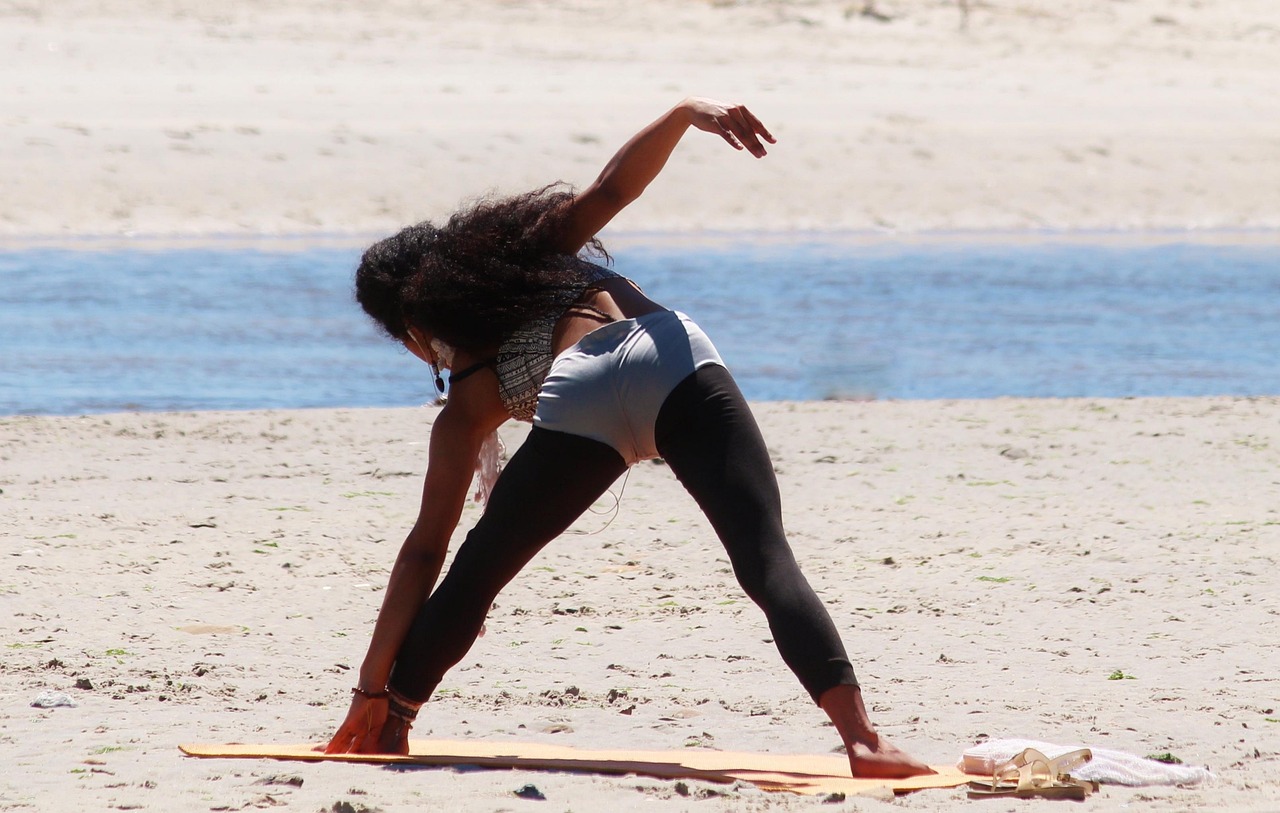

Pilates Challenge: Build Strength Without Equipment
Pilates is an incredibly effective form of exercise that focuses on building core strength, improving flexibility, and promoting body awareness. One of the most appealing aspects of Pilates is that it can be practiced without any equipment, making it accessible for everyone, whether beginners or seasoned professionals. The Pilates principles emphasize controlled movements and proper alignment which help in achieving better results. Many people find it challenging to integrate a consistent fitness routine into their busy lives, but the beauty of Pilates is its adaptability. You can perform exercises anywhere, from your living room floor to a sunny park space, allowing you to stay active without being tied to a gym. To build strength, consider engaging in a Pilates challenge, which encourages a daily commitment to these body-sculpting moves. Set realistic goals, and keep track of your progress to maintain motivation throughout this journey. You may also want to join a community or find online resources to connect with other enthusiasts for mutual encouragement and inspiration. Embrace the transformation that lies ahead as you explore this incredible form of exercise, and watch your strength increase.
The Benefits of Pilates for Strength
Engaging in Pilates regularly offers numerous benefits beyond just muscle strength. It also enhances overall fitness, including balance, coordination, and even mental focus. The method’s low-impact nature makes it suitable for individuals of all ages and fitness levels. This exercise modality emphasizes mind-body connection, encouraging participants to engage their mental faculties during each movement. When you concentrate on the way your body moves, you’re not just working on muscle strength, but also on creating a sense of mindfulness that enhances your overall well-being. Additionally, Pilates works on stabilizing your core, which is essential for performing daily tasks efficiently. Strong core muscles support the spine, improve posture, and reduce the risk of injury, which is particularly valuable for those engaged in other forms of training. Furthermore, many Pilates moves can be easily modified, allowing participants to challenge themselves as they progress. You can initially perform exercises at a basic level and gradually integrate advanced variations as you build strength. This flexibility maintains a stimulating and rewarding experience, keeping motivation levels high throughout your Pilates journey.
One of the most effective ways to perform a successful Pilates challenge is to establish a sustainable schedule. Commit to practicing a set duration each day, whether it’s 10, 20, or 30 minutes. Consistency is crucial for developing and maintaining strength, so choose a time that works best for your lifestyle. You can practice in the morning to kickstart your day, during lunch breaks for a refreshing boost, or at night to unwind after a long day. Breaking routines can keep your workouts interesting, so consider incorporating different types of Pilates exercises such as the Hundred, Roll Up, and Plank. These classic moves will tone various muscle groups, engage your core, and improve your flexibility. Additionally, complement your Pilates routine with stretching exercises that target areas of tightness, such as hamstrings or hip flexors. Pairing strength-building activities with flexibility work is fundamental for a well-rounded fitness routine. Remember to focus on controlling your movements and maintaining your breath throughout each exercise to maximize benefits. As your strength and stability improve through your challenge, you’ll come to appreciate the mind-body connection that Pilates cultivates.
Pilates Moves for Strength Building
To begin your journey in the Pilates challenge, start with some foundational exercises that can significantly enhance your strength. The series of core-focused moves, such as the Plank, Side Plank, and Scissor kicks, are excellent for building stability and strength in your midsection. Focus on the quality of your movements rather than the number of repetitions, ensuring that your engagement is strong throughout. The Roll Up is another effective exercise; it works to strengthen your abdominals while promoting flexibility. Incorporating leg circles will also target your hip flexors and lower back, bolstering overall strength. Moreover, don’t overlook the importance of breathing; proper breath control supports endurance during workouts. Utilizing techniques such as lateral breathing ensures you maintain core engagement while allowing your lungs to fill with air. Challenge yourself further by adding variations to these exercises, such as elevating your hold in a plank or increasing the speed of your leg circles. As you become more familiar with these movements, you’ll notice incremental gains in strength and flexibility, which can motivate you to explore advanced Pilates variations and styles.
Throughout your Pilates challenge, remember that nutrition plays a vital role in your overall fitness journey. Proper nutrition fuels your workouts and aids recovery, ensuring you build strength effectively. Focus on incorporating whole foods, such as fruits, vegetables, lean sources of protein, and healthy fats into your diet. Staying hydrated is equally important, so be mindful of your water intake before, during, and after your workouts. The combination of focused exercise and supportive nutrition allows you to achieve your goals faster. Consider meal prepping to make your healthy diet easier to maintain during your Pilates challenge. Set aside time each week to plan meals and snacks, ensuring they align with your fitness objectives. When you are well-nourished and hydrated, you will feel more energized and capable of tackling your daily Pilates sessions. Additionally, incorporating supplements, if necessary, may enhance your performance. Consulting with a nutritionist can help tailor a plan that reflects your specific needs to elevate your challenge experience. Tracking progress on the nutrition front can be just as motivating as keeping track of workout milestones.
Creating a Community for Motivation
Participating in a Pilates challenge can be a solitary endeavor, but building a supportive community can elevate your experience. Connecting with like-minded individuals provides motivation and accountability, making it easier to stay consistent. Online forums and social media groups offer fantastic platforms to find fellow enthusiasts who share your passion for Pilates. You can join challenges or share tips for home practice and even swap workout routines to keep things fresh. Consider creating or participating in local Pilates meetups for in-person meetings where you can share experiences, challenges, and achievements. If you’re partaking in a group class, focus on encouraging one another during practice, as the camaraderie strengthens not only your muscle but also your determination. Sharing your progress and experiences with others can foster a sense of achievement that keeps you engaged and looking forward to your workouts. Additionally, consider setting collective goals as a group, like working towards a group challenge milestone or organizing short competitions to enhance motivation levels. With shared support and encouragement, you are much more likely to thrive and experience tangible improvements that come with commitment to Pilates.
Pilates challenges also open avenues for exploring diverse styles within Pilates itself. As you grow stronger, you may wish to experiment with variations such as reformer Pilates, which incorporates specialized equipment for added resistance. Although traditional mat Pilates suits those looking to exercise without equipment, exploring different styles broadens your knowledge and proficiency. Each variation targets distinct muscle groups and develops your skills in numerous ways. Consider integrating yoga or barre classes into your fitness routine to complement your Pilates work and enhance your overall strength. Especially when practiced regularly, these forms of exercise not only enrich your physical conditioning but also your mental clarity and flexibility. Your fitness journey should be enjoyable, and incorporating variety undoubtedly helps maintain enthusiasm. Discover what works best for you by engaging in various classes or finding a video online, giving you the opportunity to try different instructors and techniques from the comfort of home. As you progress through challenges, embrace the learning curve, and don’t hesitate to dive into new experiences that elevate your strength and foster a passion for fitness.
Conclusion and Next Steps
Embarking on a Pilates challenge offers visitors an outstanding opportunity to build strength, flexibility, and mindfulness without equipment constraints. Engaging in this practice consistently while connecting with the broader community nurtures not only physical fitness but also mental well-being. Remember to track your progress, celebrate your accomplishments, and continue to set new fitness goals as you advance. Embrace the mantra of slow and controlled movements into your workouts. Each controlled motion brings forth new levels of strength and resilience. Incorporate the lessons learned from your Pilates challenge into your daily life for holistic improvements and better overall health. Stay mindful of your nutrition and hydration choices as complementary to your exercise practice. Finally, explore additional Pilates styles and variations beyond your initial challenge to foster continued strength growth. This ongoing fitness journey can be incredibly rewarding, building lifelong habits and pushing physical limits. Maintain a mindset of curiosity and excitement about new challenges that may arise. Your Pilates journey is unique, so embrace it fully and allow yourself to thrive. Ultimately, consistency, persistence, and community support will elevate your physical capabilities and enhance your personal growth.