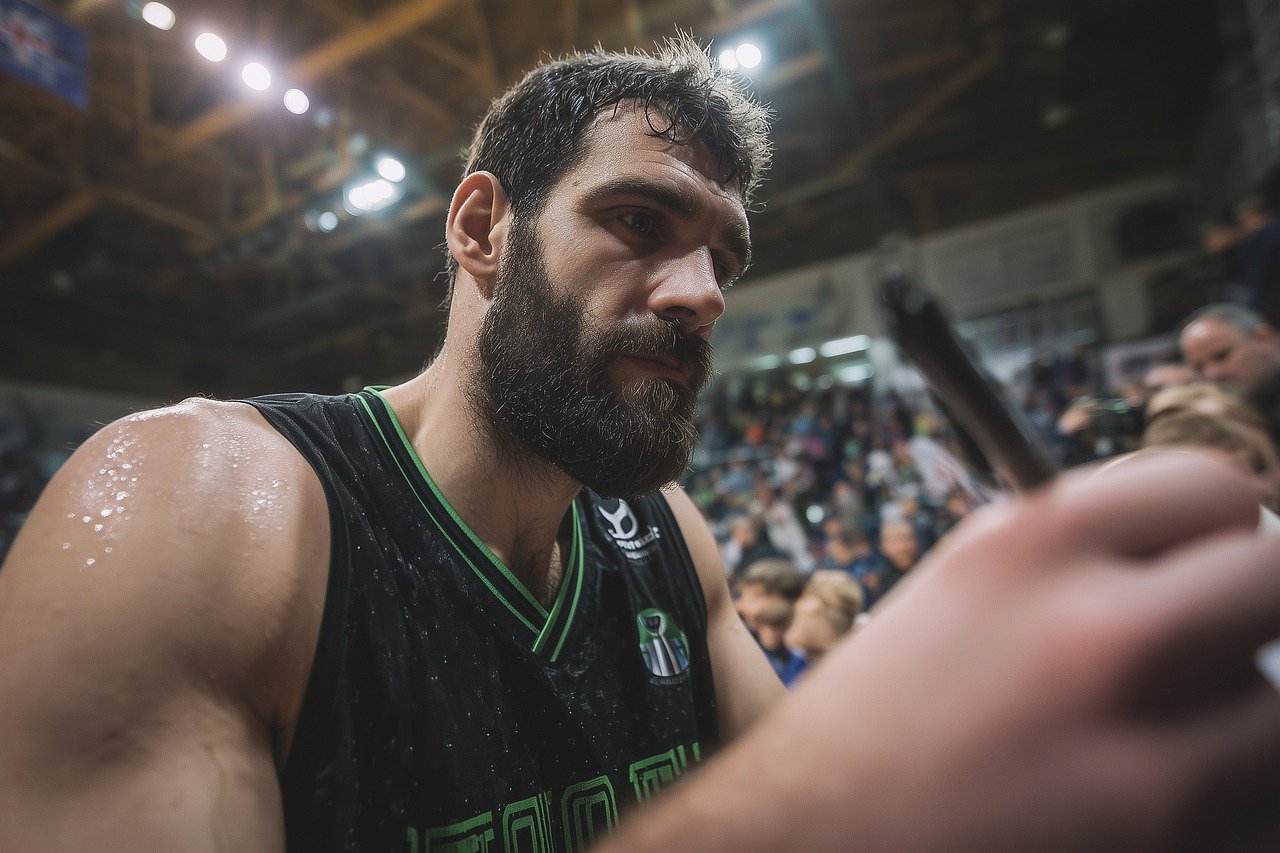

Concentration Challenges to Build Athletic Mental Strength
Athletes often require not just physical prowess but also mental toughness to excel. Sports psychology emphasizes the development of focus through various concentration challenges. These challenges aim to bolster mental strength, enabling athletes to perform under pressure. Engaging in drills that enhance concentration can help in transitioning from training to performance conditions effectively. When exercises are integrated into a daily routine, they improve athlete resilience during competitions. A well-structured approach, combining various focus drills, can lead to significant improvements in performance. Specific techniques, such as visualization and mindfulness, are particularly useful for centering attention on the task ahead. Additionally, using environmental cues can help athletes sharpen their concentration. This can involve manipulating surroundings to reduce distractions, thus creating a conducive atmosphere for practice. But athletes must be aware that mastering focus takes time and consistent effort. Incorporating regular feedback with a coach can also enhance the learning experience. By reflecting on performance after drills, athletes can identify areas for improvement and track their progress over time. Ultimately, the goal is to foster a mentality that thrives under pressure, ensuring peak performance when it matters most.
Focus Drills for Enhanced Performance
One effective approach to improving concentration involves engaging in focus drills tailored for athletic pursuits. These drills not only encourage mental conditioning but also facilitate the development of key skills needed during competition. Simple tasks, such as meditating before practice or executing breathing exercises, can greatly enhance one’s focus. Incorporating imagery techniques allows athletes to visualize their performance, effectively preparing their minds for actual competition. Another method includes employing reaction time drills where athletes must respond to visual or auditory signals quickly. These types of exercises help sharpen attentional skills while integrating physical readiness. Additionally, incorporating interval training where the focus shifts can also be beneficial; for instance, switching between high-intensity activities and moments requiring total concentration enhances mental agility. Athletes could also use goal-setting as a method to maintain focus on their objectives. By establishing short-term goals within each training session, athletes maintain a clear concentration pathway. Reflection and adjusting methods based on performance feedback will sustain momentum. Such strategies collectively promote stronger mental disciplines essential for overcoming challenges during intense competitions.
Practicing mindfulness is another crucial aspect of developing mental resilience among athletes. Mindful awareness enhances concentration while easing anxiety levels, particularly before competitions. By fostering present moment awareness, athletes can focus on their performance rather than feeling overwhelmed by external pressures. A simple way to begin is through mindfulness meditation where controlled breathing is practiced regularly. In training sessions, consciously focusing on each movement creates a mental connection with physical efforts. Mindfulness encourages athletes to embrace discomfort during training, teaching them to maintain composure in competitive settings. This discipline enhances emotional stability, which is paramount during high-stakes moments. Moreover, actively engaging in mental rehearsal allows athletes to prepare for the uncertainties of competition. Visualizing each movement and situation as vividly as possible helps in understanding and predicting outcomes. Strengthening this mental framework is instrumental for performance consistency. Furthermore, incorporating constructive self-talk reinforces focus and confidence. Positive affirmations can guide athletes through challenging moments, fostering an ongoing positive mental state. By combining mindfulness practices with mental rehearsal, athletes can significantly enhance their overall mental acuity, equipping them for immediate performance challenges.
Developing a Strong Mental Game
Developing a robust mental game often results from the continuous application of concentration drills and exercises. Engaging in team activities that require cooperative focus emphasizes the need for effective communication. Athletes learn to synchronize their actions, reinforcing a collective mental strength. Furthermore, building an environment where athletes can openly discuss mental challenges creates a support system enhancing individual growth. Engaging in competitive scenarios during practice allows athletes to simulate real-game pressures, developing the ability to focus amidst distractions. Balancing effort and rest during training sessions is a focal point, ensuring mental fatigue does not undermine physical gains. Athletes can utilize visualization teams, where they envision scenarios of success alongside teammates, fostering camaraderie. Emphasizing positive experiences, such as past successes, enhances mental imagery of accomplishments, further reducing performance anxiety. Regularly assessing individual performance improves self-awareness, giving athletes insights into their concentration patterns. Challenges faced during focus drills enable athletes to discern their mental triggers. This understanding is vital for addressing weaknesses and bolstering overall performance. Ultimately, building a strong mental game combines consistent practice with reflective learning. Every challenge offers an opportunity for growth and fortitude.
Another vital aspect of athletic mental training is developing a personalized mental toughness plan designed to increase focus. Every athlete may face unique distractions and stressors that impact performance differently. Therefore, crafting individualized focus strategies is essential. It involves identifying personal triggers and the best focus techniques suited for overcoming them. Incorporating journaling into the training routine helps track emotional states and identify patterns over time. This allows athletes to recognize situations or thoughts that may disrupt concentration. Additionally, setting specific and measurable goals offers ongoing motivation and direction. As athletes work through their mental toughness plan, consistently evaluating progress ensures accountability. Regularly adapting strategies based on performance feedback encourages continuous improvement. Practicing patience and perseverance becomes critical during this journey. Progress may be gradual, and setbacks are part of the developmental process. Athletes who remain committed to the plan experience growth in their overall mental resilience. Building mental toughness effectively allows athletes to handle the inherent pressures of competition better. Ultimately, a personalized mental training plan integrating effective focus drills cultivates discipline and sharpens concentration, leading to elevated athletic performances.
Applying Focus Exercises in Competition
Translating practice focus exercises into competitive situations is paramount for athletes aiming for success. Athletes must understand that performance under pressure is significantly different from practice. During competitions, distractions can arise, impacting focus and decision-making. To prepare, athletes should incorporate techniques learned during drills into warm-ups leading up to events. Focusing on breathing techniques can help ground athletes just before competitions. Moreover, having a pre-competition routine fosters familiarity, which reduces anxiety levels and reinforces confidence. Athletes can visualize their anticipated performance while calming their minds before taking the field. Furthermore, acknowledging potential distractions during competition prepares athletes mentally. By formulating strategies to counter distractions, athletes develop a proactive framework for maintaining concentration. During the event, athletes can engage in positive self-talk, encouraging their focus on the task at hand. Utilizing cues from their drills enables them to redirect attention if distractions arise. Reinforcing this mental strategy in practice ensures athletes are ready for competition. Ultimately, remaining flexible and adaptive during events contributes to overall performance excellence. The journey toward developing athletic mental strength is ongoing and subsumes both learning and application of focus techniques.
Finally, integrating regular evaluations of concentration techniques enhances overall athletic performance. Feedback should be reflective of drill effectiveness and the adaptability of focus during gameplay. Athletes should engage in discussions with coaches, identifying strengths, weaknesses, and potential areas for growth. Gathering multiple perspectives helps tailor focus strategies to meet individual needs effectively. Analyzing performance metrics also provides insights into focus and retention during competitions. Such evaluations can reveal patterns that athletes may otherwise overlook. Additionally, introducing video analysis offers a unique opportunity to assess concentration visually in action. This can demonstrate how well focus drills translate into performance contexts. Regularly scheduled evaluations can help athletes maintain accountability while reinforcing commitment to mental training. It fosters a culture of continuous improvement where athletes strive to enhance their mental game. Engaging in this reflective practice cultivates intellectual awareness, helping athletes hone their focus skills over time. By incorporating evaluation into their routines, athletes build a solid foundation for sustained focus. Ultimately, enhancing athletic performance through concentrated mental practices fortifies their journey through both challenges and triumphs on the field.