
The History and Evolution of Kung Fu Styles
The origins of Kung Fu can be traced back to ancient China, with its development deeply intertwined with Chinese philosophy and culture. During the Shang Dynasty, martial arts began to flourish, influenced significantly by the teachings of Confucianism and Taoism. Initially, martial arts were practiced primarily for military purposes. As years passed, they evolved into an art form, focusing on self-discipline, mental health, and personal philosophy. This transformation was pivotal, allowing Kung Fu to become not just a means of defense, but also a way to promote spiritual growth. The integration of philosophy into martial practices created the foundations for various styles of Kung Fu. Each style embodies unique techniques and principles, reflecting the rich cultural history of the geographic regions from which they emerged. Various schools emerged during the Tang and Song Dynasties, emphasizing particular characteristics, stances, or philosophies. The transition from battlefield tactics to individual self-expression marked a critical evolution in Kung Fu’s journey, nurturing a deep respect for tradition and honor among practitioners.
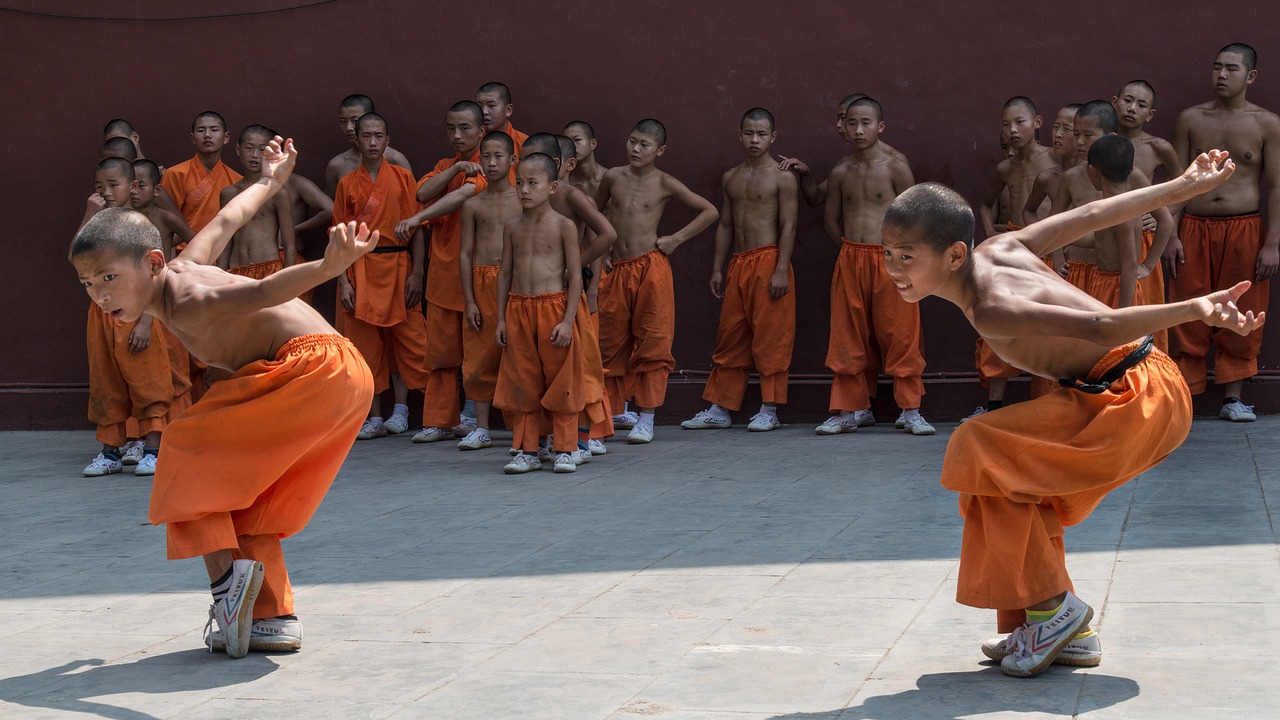
One significant aspect of Kung Fu is its association with the Shaolin Temple. Founded in the 5th century, this temple became a central hub for martial arts development. Monks at Shaolin were instrumental in refining Kung Fu techniques, blending them with Buddhist philosophies. The legendary tales of these monks inspire practitioners today, symbolizing strength, discipline, and wisdom. Techniques developed at Shaolin, such as the famous Shaolin Kung Fu, encompass both physical and mental training. The temple’s contributions significantly influenced its survival, allowing different styles to flourish throughout China. Shaolin Kung Fu not only honors traditional techniques but also incorporates the principles of Zen Buddhism. This combination promote a deeper understanding of self-defense in harmony with spiritual growth. Such interconnections create a rich atmosphere for learning and practice, leading students to push their limits and enhance their skills. Today, the Shaolin Temple remains a pilgrimage site, attracting martial artists worldwide. Many returning visit to train, study, and deepen their understanding of Kung Fu. This continued legacy perpetuates the temple’s historical importance within the evolution of martial arts, championing the sanctity of its teachings.
Styles of Kung Fu
Numerous styles of Kung Fu exist, each with distinct characteristics and philosophies. Among the most recognizable styles are Wing Chun, Tai Chi, and Northern and Southern styles. Wing Chun emphasizes close-range combat, focusing on speed and efficiency. Its techniques prioritize practical self-defense. Conversely, Tai Chi emphasizes grace and fluid movement, often practiced for relaxation and health benefits. Northern styles typically feature dynamic, high kicks and acrobatics, showcasing agility and strength. In contrast, Southern styles often emphasize low stances and strong footwork, reflecting the practical aspects of street fighting. This diversity mirrors the geographical and cultural backgrounds from which they originated. Practitioners are encouraged to explore multiple styles, allowing both personal growth and appreciation for the rich tapestry of Kung Fu’s history. The exchange between styles minimizes limitations, developing a well-rounded skill set. As various styles have evolved, elements have merged, resulting in innovative blends that keep Kung Fu relevant and adaptive. This adaptability of Kung Fu styles allows for future evolution, as current practitioners constantly strive to honor tradition while innovating their techniques. Thus, each style contributes to a growing community extending beyond geographical boundaries.
Influence on Modern Martial Arts
Kung Fu’s impact on modern martial arts is undeniable, influencing various disciplines worldwide. Techniques derived from its styles have permeated many contemporary combat sports and self-defense systems. For instance, the incorporation of Kung Fu elements can be seen in styles like Mixed Martial Arts (MMA), Brazilian Jiu-Jitsu, and Kickboxing, where distinct techniques enhance versatility and effectiveness. As martial arts evolve, the principles of Kung Fu remain pivotal in shaping training practices. The emphasis on discipline, endurance, and mental fortitude aligns with modern sports philosophy, serving as a framework for training martial artists today. Furthermore, Kung Fu’s cultural impact is evident in popular media. Films featuring Kung Fu stars have popularized the styles globally, inspiring countless practitioners and enthusiasts. Through global expansion, Kung Fu has adapted to local cultures, marrying tradition with modern demands. This interchange fosters appreciation and understanding, creating a supportive martial arts community. This broad acceptance ensures that its rich history is transmitted to future generations, keeping the essence of Kung Fu alive and relevant. Ultimately, Kung Fu serves as both a window into Chinese culture and a toolkit for modern self-improvement.
Training in Kung Fu is more than just mastering techniques; it’s about self-discovery and personal growth. Students embark on a journey that transcends mere physical achievement. Regular practice fosters discipline, self-control, and respect for oneself and others. Training sessions often involve rigorous drills, sparring, and forms (kata) that impart not only combat skills but also instill philosophical lessons. Philosophers like Sun Tzu and Laozi influence these teachings, emphasizing harmony and balance as key traits beyond fighting. However, the mental aspect of Kung Fu practitioners is crucial. Meditation often accompanies physical training, promoting mental clarity and focus. This holistic approach sets Kung Fu apart from many other martial arts forms, creating a balance between body and mind. Moreover, Kung Fu promotes the idea of martial arts as a means of self-improvement rather than just combat. Competitions serve to test skills, but they also champion camaraderie and respect for all fighters. Therefore, cultivating a Kung Fu mindset enables students to handle challenges gracefully. In every class, practitioners learn valuable life lessons, which they can apply outside training, reinforcing the longstanding traditions that underpin Kung Fu’s evolution.
The Global Spread of Kung Fu
The global spread of Kung Fu can be attributed to various factors that fostered its growth outside China. Immigration during the 20th century played a significant role, with martial artists traveling worldwide, establishing schools, and popularizing their respective styles. In the 1960s, the rise of Kung Fu cinema sparked global interest, with films showcasing incredible stunts and techniques captivating audiences. Stars like Bruce Lee and Jackie Chan became household names and significantly influenced public perception of martial arts. They showcased Kung Fu’s beauty and effectiveness, leading many to seek training opportunities. Alongside films, international martial arts competitions helped bridge cultural gaps, drawing practitioners from diverse backgrounds to test their skills. Such events encouraged the exchange of ideas and techniques, enriching the global Kung Fu community. Today, numerous schools and organizations worldwide preserve Kung Fu’s core teachings while adapting to contemporary needs. This adaptability ensures its relevance and legacy persists, inspiring future generations. The beauty of Kung Fu lies in its ability to unite people through shared passion. As practitioners connect through training and philosophy, they cultivate an appreciation for cultural richness within martial arts.
In recent years, the modernization of Kung Fu training has also emphasized fitness and wellness aspects. Many practitioners appreciate the physical benefits of training in various forms, including improved strength, flexibility, and cardiovascular health. This recognition has led to the incorporation of Kung Fu elements into fitness programs targeting broader audiences. Additionally, schools have tailored training approaches to accommodate individuals with different needs, from self-defense enthusiasts to those pursuing traditional mastery. This diversification enhances Kung Fu’s appeal, creating opportunities for numerous students to engage with its practices. While many still pursue the traditional paths, others have discovered new ways to interpret Kung Fu’s principles in their lives. As wellness trends rise, it’s crucial to remember the philosophies underpinning Kung Fu—self-discipline, respect, and compassion. These teachings remain vital, guiding practitioners toward holistic well-being. Furthermore, the adaptive nature of Kung Fu ensures it continues evolving, embracing innovation while staying true to foundational principles that built its reputation. By incorporating modern training methodologies, Kung Fu retains its relevance and appeal for existing and future enthusiasts. Ultimately, this journey towards growth ensures that Kung Fu will thrive across generations.
The Future of Kung Fu
The future of Kung Fu is undeniably vibrant, characterized by a unique blend of tradition and innovation. As more individuals seek physical outlets and mental encapsulation, Kung Fu presents itself as an enticing option combined with cultural richness. Global awareness continues to grow, encouraging expanded training opportunities and diverse approaches to mastering the art. Social media plays a pivotal role in disseminating knowledge and connecting practitioners across continents. Online classes, tutorials, and forums have made learning Kung Fu more accessible than ever. This digital influence fosters community engagement and allows acts of cultural exchange, enriching practitioners’ experiences. Moreover, collaborations between schools from different styles further bridge gaps, creating multidisciplinary training opportunities. Global events celebrating Kung Fu highlight its diverse manifestations, showcasing performances that blend ancient techniques with contemporary flair. As the next generation of martial artists emerges, embodying the principles of Kung Fu are essential for maintaining its integrity. Today emphasizes etiquette within practice, promoting respectful interactions among practitioners. Together, they cultivate a cohesive community, ensuring that Kung Fu’s legacy endures, inspiring those who follow their passion, hence carving a promising path for its future evolution.