
How to Maintain Focus and Concentration During Blocking Attempts
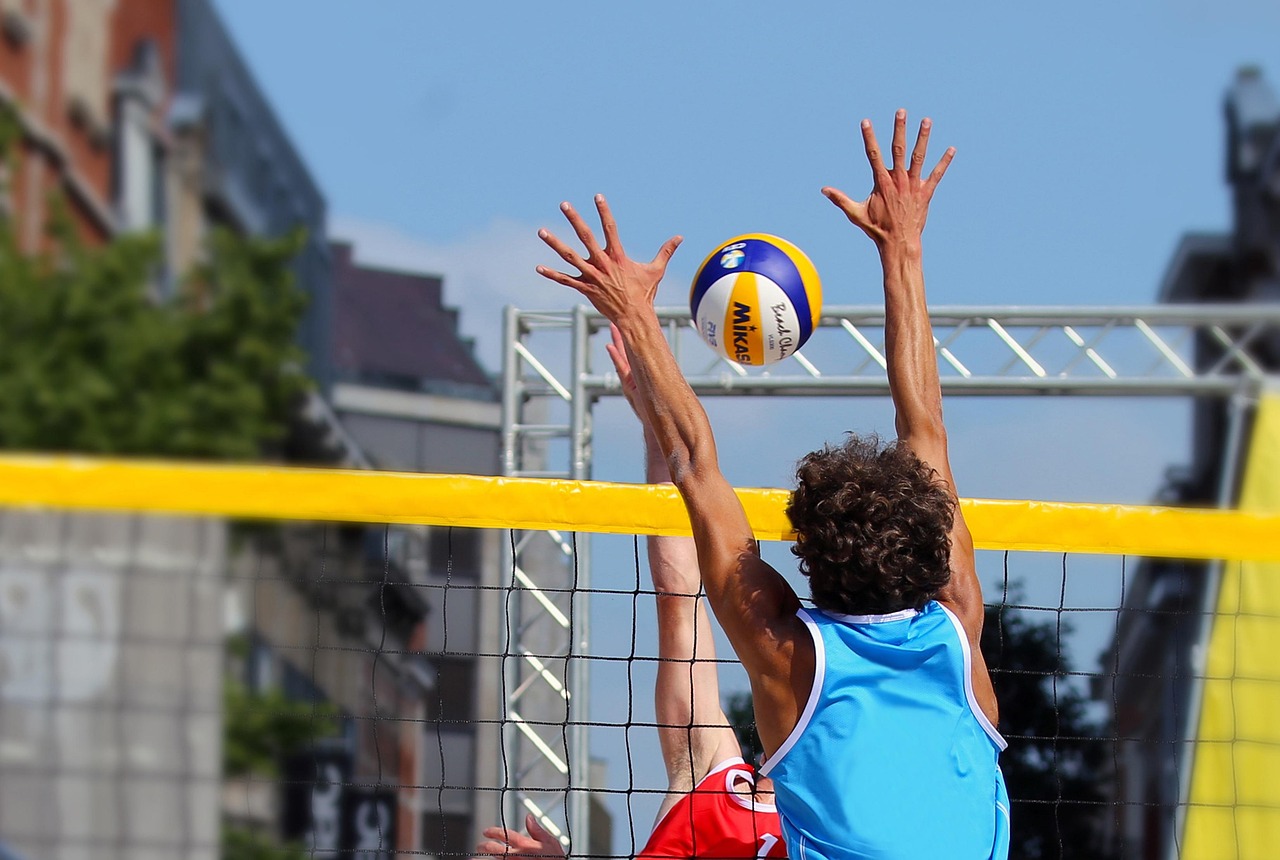
Mastering blocking techniques is essential for successful volleyball gameplay. Players need to focus on various elements, including timing, footwork, and positioning. An effective blocking strategy requires intense concentration, which can be developed through various training methods. Firstly, understanding your opponent’s tendencies is crucial. Observe their approach to the net and their hitting style. By anticipating their moves, you can position yourself better. Additionally, regular practice drills enhance your focus during high-pressure situations. Practicing blocking with a partner or against a wall allows players to fine-tune their techniques. These exercises can reinforce muscle memory and boost overall confidence. Furthermore, visualization techniques can be beneficial. Imagine successfully executing the block, visualizing the optimal timing and positioning. This mental practice enhances real-game performance significantly. Moreover, maintaining proper posture and balance is vital. Uneven weight distribution can lead to missed blocks or injuries. Strength and conditioning programs can help players improve their physical attributes necessary for effective blocking. In conclusion, focusing on these elements can significantly enhance a player’s blocking abilities and overall performance during games.
Another technique to enhance focus during blocking attempts involves the use of breathing exercises. Controlled breathing helps players remain calm under pressure and centers their attention on the upcoming play. Inhale deeply and exhale slowly several times before each serve. This practice will help clear your mind and increase awareness on the court. Moreover, staying hydrated and maintaining proper nutrition plays a significant role in sustaining focus. Dehydration can lead to fatigue, undermining performance levels. Ensure you consume enough fluids before, during, and after games. Additionally, consider integrating mindfulness or meditation exercises into your daily routine. These practices train your brain to focus on the present moment, which is essential during a match. Engaging fully with each play helps you react quickly to ball movements. Furthermore, setting clear goals for each training session can sharpen your focus. For instance, aim to achieve a certain number of successful blocks or improve your timing. This target-oriented approach provides motivation and clarity in training. By employing these methods, volleyball players can maintain concentration effectively, leading to improved blocking skills and overall sports performance.
In terms of teamwork, clear communication is critical to enhancing focus during blocking attempts. Players must call out intentions loudly, ensuring everyone understands their role at the net. This communication prevents confusion and allows players to concentrate better on executing their blocks. Incorporate team huddles before matches to discuss strategies and focus areas. During these discussions, players can express their expectations and share insights about opponents. Moreover, using visual cues with teammates enhances understanding without disrupting the flow of play. Signals can be established for various blocking strategies, helping the team work as a cohesive unit. Practicing these strategies during training fosters a stronger connection and improves timing. Additionally, analyzing video footage of past matches provides valuable insights into effective blocking techniques. Watching other skilled players can offer new perspectives and ideas for improving your blocking skills. Moreover, asking for feedback from coaches or experienced players can reveal areas for improvement. It’s essential to be open to constructive criticism. By focusing on these aspects, volleyball players can develop a comprehensive approach to enhance their blocking performance and overall game concentration.
The Role of Physical Conditioning
Physical conditioning is paramount in maintaining focus and concentration during blocking attempts. Engaging in strength training enables players to develop the necessary muscle groups for effective blocking. Improving upper body strength can significantly influence your ability to jump higher and reach over the net successfully. Include exercises focusing on the shoulders, arms, and core in your workout routine. Strengthening these areas will allow for more powerful and controlled blocks. Additionally, plyometric workouts can enhance explosiveness and agility crucial for timely blocks. Exercises such as jump squats and box jumps can prepare the body for quick reactions during matches. Consistent agility training also helps with foot speed and balance, which are vital during blocking. Incorporate ladder drills or cone drills into the training plan for better footwork. Furthermore, flexibility exercises increase range of motion, allowing players to move quickly and effectively into the correct blocking position. Yoga and stretching sessions are excellent practices to enhance flexibility. Lastly, ensuring a proper warm-up before games prevents injuries and prepares the body for performance. This comprehensive physical conditioning approach can significantly enhance blocking abilities in volleyball.
Moreover, mental toughness is a crucial element that players must develop to maintain focus during blocks. Adversity can arise in matches, and a resilient mentality allows players to bounce back. Establishing a routine before every game can help condition the mind to focus effectively. Whether it’s listening to music or engaging in light physical activity, these routines can signal the brain to prepare for competition. In addition, setting realistic expectations is vital for mental focus. Recognize that not every attempt will be successful. Accepting this reality enables players to stay calm, maintaining focus on future plays. Visualizing overcoming challenging blocks builds confidence and a positive mindset. Athletes can use motivational quotes or mantra techniques to bolster their mental fortitude during tense moments. Regularly reminding oneself of personal achievements, no matter how small, reinforces a positive self-image. Furthermore, developing a support system amongst teammates fosters an environment where players can uplift each other. Such encouragement helps maintain collective focus during critical match points. By concentrating on mental aspects, players can significantly improve their blocking abilities and, thus, performance during volleyball matches.
Utilizing Feedback and Reflection
Lastly, utilizing feedback and reflection is integral to enhancing focus during blocking attempts. After games, it’s beneficial to reflect on performances by analyzing strengths and weaknesses. Keeping a journal or log detailing specific blocking attempts can provide insight for future improvement. Documenting thoughts on technique and mindset can reveal patterns and areas needing attention. Additionally, sharing experiences with teammates or coaches fosters learning environments. Discussing what worked, or what didn’t, allows players to adjust their techniques. Constructive feedback from experienced teammates can lead to practical advice on concentrating better during gameplay. Coaches can also provide valuable input on when to make strategic changes during matches. Record sessions and review them to analyze blocking attempts’ effectiveness. This repetition solidifies the lessons learned. Furthermore, setting up practice matches under realistic conditions can simulate game pressure. The intensity of these matches allows players to practice focusing under pressure, mirroring real-game situations. By incorporating feedback and self-reflection, volleyball athletes can enhance their blocking technique, focus, and ultimately lead to improved performance on the court.
In conclusion, maintaining focus and concentration during blocking attempts in volleyball requires a multifaceted approach. Players must cultivate both physical and mental skills to excel at blocking. Techniques range from mastering breath control, improving physical conditioning, practicing mindfulness, and engaging in team communication. By incorporating these methods, players can enhance their performance. Moreover, developing mental toughness and utilizing feedback are essential components in this journey. Understanding that setbacks are part of the game encourages resilience. Set clear goals and persistently track progress to create a structured training routine. Practice scenarios where mental focus and precision in blocking is critical and simulate game situations. These steps will not only improve blocking but overall performance as a volleyball athlete. The array of skills required may seem overwhelming, yet making gradual improvements leads to confidence, strength, and enhanced concentration. Embrace the challenge of enhancing blocking techniques while enjoying the game and learning from experiences. With dedication and practice, volleyball players can maintain focus, resulting in outstanding gameplay and successful blocking attempts during matches.