
Using Contrast Training to Improve Athletic Performance
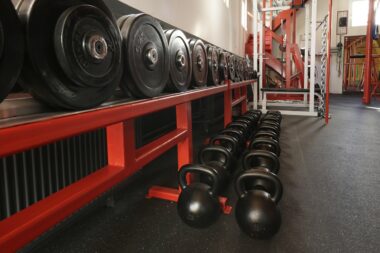
Contrast training has emerged as an effective approach to enhancing athletic performance. This technique combines heavy resistance training with explosive movements, allowing athletes to harness the benefits of both strength and power in a single session. The primary goal of contrast training is to improve the force production of muscles, which is crucial for any sport that relies on speed, agility, and strength. When implemented correctly, this method can lead to significant improvements in performance metrics such as vertical jump height, sprint speed, and overall explosiveness. To execute a contrast training routine, athletes typically alternate between a heavy lift, such as squats or deadlifts, and a plyometric exercise, such as box jumps or kettlebell swings. The aim is to activate fast-twitch muscle fibers through heavy lifting, followed by immediate explosive output, stimulating muscle adaptation and growth. However, careful programming and proper recovery are critical to avoid injury and ensure maximum effectiveness. Successful implementation of contrast training can set athletes apart from their competition, enhancing not only their overall athleticism but also their performance in specific sports.
One of the key principles behind contrast training is the concept of post-activation potentiation (PAP). Essentially, PAP refers to the phenomenon where a heavy resistance exercise enhances the subsequent performance of a similar movement. As the muscles are activated by the load, the neural pathways are primed for greater output in explosive movements. This means that after completing a set of heavy squats, an athlete may achieve greater results in their vertical jump or sprint. Practicing contrast training allows for optimized muscle fiber recruitment, leading to improved athletic outcomes. However, understanding how to structure a training program is vital for success. Coaches and athletes should measure the appropriate loads for strength exercises while ensuring proper rest intervals between sets. Typically, a rest period of 2-5 minutes is recommended, depending on individual fitness levels and recovery capabilities. Additionally, blending strength and plyometric exercises helps maintain training intensity and maximize adaptations. Thus, integrating contrast training into a broader strength and conditioning program can yield significant benefits for athletes looking to elevate their performance to the next level.
Benefits of Contrast Training
Contrast training offers several notable benefits for athletes seeking to improve their performance. One significant advantage is that it enhances both strength and power concurrently, enabling athletes to become more well-rounded in terms of athletic capabilities. Additionally, this training method can lead to improved neuromuscular coordination, which is essential for executing complex movements efficiently. As athletes become stronger and more powerful, their bodies adapt to the increased demands placed upon them, leading to superior performance in their respective sports. Furthermore, contrast training can help prevent plateaus in training. By alternating between heavy lifts and explosive exercises, athletes can disrupt their routine and stimulate new muscle adaptations. This can keep motivation high and maintain progress over time. Notably, the combination of strength training and plyometrics also improves an athlete’s rate of force development, making them faster and quicker on the field or court. Athletes who consistently incorporate contrast training will likely experience better results than those who only perform traditional strength or power training methods.
Moreover, contrast training can also contribute to injury prevention. By enhancing muscle strength and stability, athletes can reduce their risk of injuries commonly associated with their sport. Stronger muscles help stabilize joints during dynamic movements, lowering the likelihood of strains, sprains, and other injuries. Additionally, the explosiveness gained from contrast training allows athletes to react more quickly to unpredictable situations during competition. This agility can be crucial in sports where split-second decisions and reactions determine success. However, executing contrast training safely and effectively requires attention to proper form and technique. Athletes must ensure they are executing movements correctly to prevent injury, limit fatigue, and maximize performance gains. Working with a qualified coach is beneficial for proper guidance and form checks. Programmers can develop a well-structured plan focused on the athlete’s sport and goals. Overall, when implemented cautiously, contrast training not only boosts performance but also contributes to a more resilient athlete capable of withstanding the rigors of their sport.
Setting Up a Contrast Training Program
Designing a contrast training program involves careful consideration of the athlete’s individual needs, goals, and abilities. It’s essential to assess factors such as the athlete’s current fitness level, any previous injuries, and the sports context before creating a tailored plan. A well-structured contrast training session should include a warm-up routine focused on mobility and activation exercises to prepare the body for the demands of the workout. Following the warm-up, the training session typically consists of a combination of heavy resistance training followed by a plyometric or explosive movement. Consistent focus on maintaining quality form and maximizing the intensity of each exercise is crucial for achieving optimal results. It’s also essential to track progress regularly and make necessary adjustments to the program. This may involve modifying the load, exercise selection, or training volume based on the athlete’s feedback and performance metrics over time. Ultimately, implementing a targeted contrast training program helps athletes improve power and strength, leading to significant athletic achievements and enhanced competitive performance.
Recovery between contrast training sessions is just as critical as the training itself. Adequate rest and recovery are vital for allowing the body to repair and enhance muscle fibers, ensuring athletes can perform at their peak during subsequent sessions. After intensive training, athletes should prioritize nutrition, hydration, and sleep to assist in recovery. Proper nutrition is essential in replenishing glycogen stores and promoting muscle repair, while hydration helps maintain performance levels and overall well-being. Sleep is paramount in optimizing recovery, as it allows the body’s systems to undergo the necessary processes for physical and mental rejuvenation. Coaches and athletes should communicate about perceived fatigue and readiness for training, adjusting programs when necessary. Furthermore, active recovery techniques such as foam rolling, mobility work, or light aerobic exercises can help mitigate soreness and improve recovery. Incorporating these practices into an overall training regimen ensures athletes benefit from contrast training while maintaining physical health and preventing overtraining. By balancing intense training with adequate recovery, athletes can harness the benefits of contrast training and drive progress in their performance.
Conclusion
In conclusion, contrast training has emerged as an invaluable tool for enhancing athletic performance across various sports. By integrating heavy resistance training with explosive movements, athletes can effectively improve their strength, power, and overall athleticism. The principles of post-activation potentiation underpin the effectiveness of this approach, enabling better muscle recruitment and performance outcomes. When engaging in contrast training, focusing on exercise selection, programming, recovery, and monitoring progress is crucial to achieving optimal results. The ability to simultaneously build strength and explosiveness not only contributes to performance improvement but also supports injury prevention, allowing athletes to train safely and efficiently. Ultimately, combining proper programming with effective recovery strategies will allow athletes to maximize their potential and outshine their competition. As with any advanced training technique, the successful implementation of contrast training requires a tailored approach, expert guidance, and careful attention to individual needs and goals. As athletes, coaches, and trainers embrace this method, the potential for achieving significant performance gains becomes a reality, fostering excellence in athletic pursuits.
By understanding the benefits and principles of contrast training, as well as taking into account individual variability, athletes can develop. The aim is to optimize their athletic performance across various sports. Enhance your training regimen today by incorporating contrast training to see tangible results in your performance metrics.