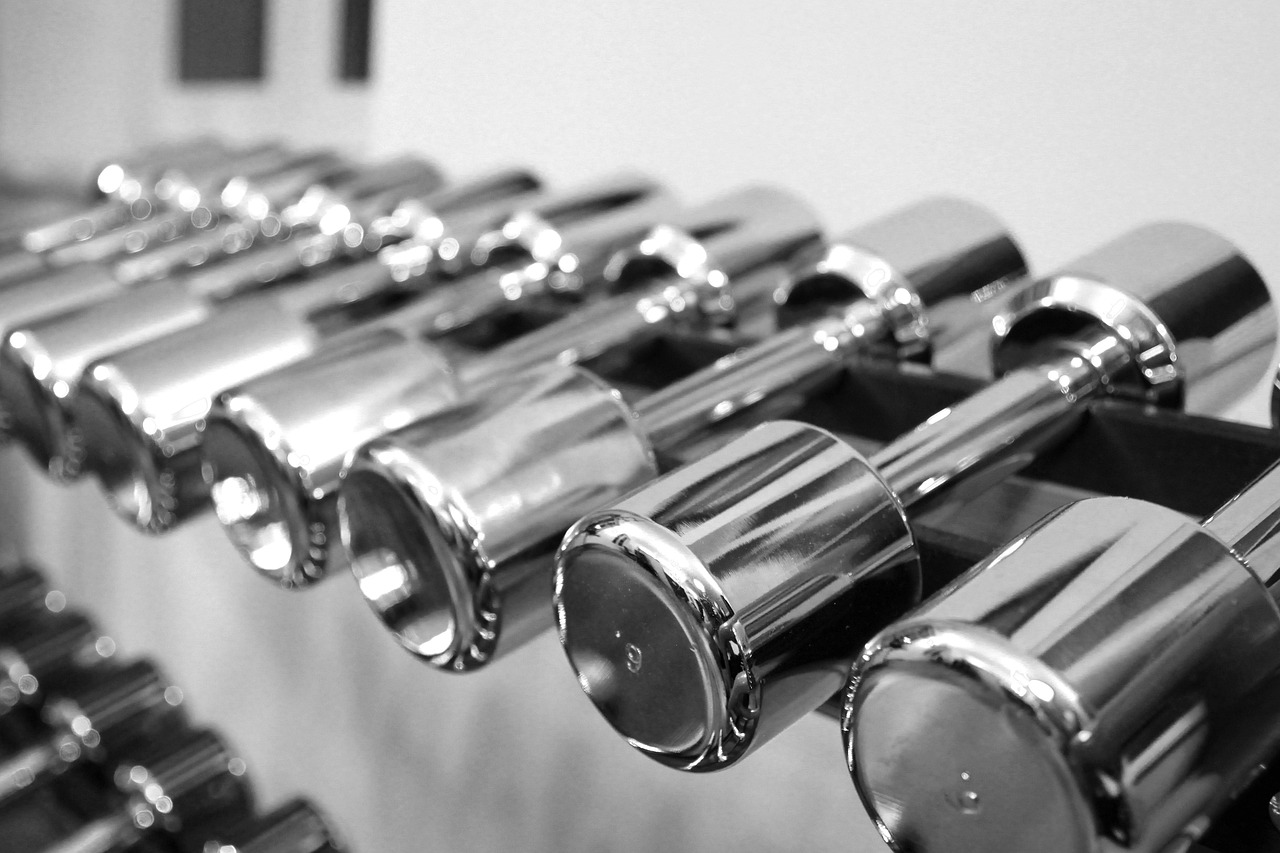

Core Training Progressions Using Dumbbells
Core training is vital for enhancing stability in our daily movements and sports performance. One effective way to build core strength is through dumbbell exercises. Dumbbells provide versatility, allowing us to increase resistance progressively as our strength improves. Beginners can start with lighter dumbbells to perfect their form while gradually increasing weight. This method emphasizes the importance of proper technique in avoiding injuries. Core training with dumbbells focuses on various muscle groups, including the rectus abdominis, obliques, and transversus abdominis. Exercising with dumbbells not only improves muscle tone but also encourages better posture. It also helps develop balance and coordination through targeted movements. Moreover, dumbbell exercises can be easily integrated into any workout regimen. They fit well in both home and gym environments. Some popular exercises include the dumbbell Russian twist, side bends, and overhead presses. Each of these will engage your core while building strength in the arms and shoulders simultaneously. Many fitness enthusiasts appreciate the results achieved through implementing core training into their routines. Therefore, consistent engagement in these exercises leads to overall fitness and wellness.
As you progress in your core training journey, consider advancing to more challenging dumbbell exercises. The use of dumbbells for core workouts can significantly enhance your results. One progression is incorporating stability exercises where you maintain balance while performing movements. This could include dumbbell single-arm presses or lunges with a twist. Such workouts engage the core even harder, demanding increased stabilization and control. You might also try doing Russian twists while seated on an exercise ball for an added challenge, combining elements of balance with core engagement. Furthermore, adding a dynamic component to static exercises is crucial. For instance, combine planks with an alternating dumbbell row to maximize core activation. This creates a full-body movement that continues engaging your abdominal muscles throughout the workout. Maintaining a steady pace is essential to gain the most out of these exercises. Regularly re-evaluating your workout regimen ensures your body continuously adapts and strengthens over time. Evaluating your core training can also help you set measurable fitness goals. Tracking your progress with dumbbells contributes to staying motivated and committed to your training journey.
Advanced Dumbbell Core Training Techniques
When you’re comfortable with basic dumbbell exercises, it’s time to explore advanced techniques. This includes incorporating explosive movements that elevate your heart rate while challenging your core strength. One effective way is by performing dumbbell snatch exercises, where you lift the dumbbell from the floor to overhead in a fluid motion. This full-body exercise demands stability and control, engaging your core entirely. Additionally, integrating core training with cardio can be very beneficial. You can blend weights with cardiovascular elements, such as jump squats while holding dumbbells. This combination ensures a powerful workout that maintains a high heart rate while improving core strength. Furthermore, consider utilizing unilateral movements such as single-leg deadlifts or overhead presses. These exercises require a greater degree of balance and activate stabilizing muscles throughout the core. As you train, make sure your posture remains correct to avoid strain. Plus, focusing on your breathing contributes to better muscle control. Incorporating these advanced techniques brings variety to your workout and keeps you engaged. Staying committed to these more challenging exercises will substantially enhance your core stability over time.
Moreover, utilizing various weights adds a new dimension to your core training. Adjusting the weight of the dumbbells allows you to tailor your workouts to your fitness level and goals. It’s essential to listen to your body. Always begin with a manageable weight that promotes proper form before progressing to heavier ones. This ensures the risk of injury remains low while still enhancing strength. Familiarize yourself with the primary positions such as standing, seated, or kneeling. Changing your position alters the biomechanics of each exercise, engaging different parts of the core. For instance, a standing dumbbell side bend emphasizes the obliques, while a seated twist focuses on the entire core. Another aspect to consider is the timing of your rest intervals. Shortening rest periods can help keep your heart rate up, further challenging your endurance. Conversely, taking longer breaks after heavier sets can aid in recovery. Ultimately, consistency in your approach will yield better results. By understanding your body’s needs, you’ll develop a lasting, effective core training routine that incorporates the versatility of dumbbells.
Creating a Balanced Core Workout
Building a balanced core workout requires a mix of exercises targeting different muscle groups. A well-structured routine ensures each area of your core is targeted effectively. Start your workout with compound movements that require multiple muscles for stabilization. Exercises like the plank with a dumbbell row engage both your core and upper body. Following these compound exercises, incorporate isolation moves such as bicycle crunches to focus on the rectus abdominis and obliques. Adding variety helps stimulate muscle growth and prevent plateauing. Implementing supersets can maximize workout efficacy. For instance, follow a dumbbell overhead press with a side plank hybrid movement to challenge your core further. Additionally, adjusting your tempo can switch up the difficulty instantly. Slow and controlled movements emphasize core activation, while explosive motions improve power. Remember to include both static and dynamic exercises in your routine. Alternating between these types can aid in overall strength and endurance. Finally, assess your progress regularly. Monitor how well you’re performing each exercise and adapt your training plan accordingly for continual improvement.
Nutrition plays a significant role in supporting your core training efforts. While exercising is critical, maintaining a healthy diet ensures your body has adequate fuel for performance and recovery. Focus on nutrient-dense foods that contribute to muscle repair. Prioritize proteins, healthy fats, and whole grains to create a well-rounded diet. Hydration is equally important; always ensure you drink enough water before, during, and after workouts. Just as important as what and when you eat is the timing of your meals. Eating a balanced meal or snack prior to exercising can significantly enhance performance. Consider consuming a light snack that combines carbs and protein about 30–60 minutes before your workout. This will supply energy and help avoid fatigue. Post-exercise, aim to replenish your body with proteins and carbohydrates to promote recovery. Options such as protein shakes, yogurt, and fruits can effectively aid muscle recovery. It’s also essential to listen to your body. If you’re feeling fatigued or not fully recovered, consider adjusting your nutrient intake or rest periods. Striking this balance helps to maximize your core training outcomes.
Conclusion and Next Steps
In conclusion, core training using dumbbells offers an exciting path to improve stability and strength. To experience optimal results, focus on mastering basic techniques first. Gradually, advance to more complex exercises for continued growth. Incorporate a variety of workouts throughout the week. This ensures all muscles receive the attention they require. Regular assessment of your training progress aids in keeping your journey effective and engaging. As you develop your core, establishing sustainable nutrition habits complements your workout efforts. Understanding the importance of a well-rounded program, both in strength training and nutrition, contributes significantly to your overall fitness. Moreover, stay motivated by identifying personal fitness goals. Celebrate milestones achieved along the way, adjusting routines as necessary. Don’t hesitate to seek guidance from trainers or online resources. Engaging in a supportive community can also inspire and motivate you to stick with your regimen. Embrace the commitment to core training as a lifelong journey. Ensure to keep learning, adapting, and evolving your training practices. Enjoy the process as you build a strong core, leading to improved performance in daily life and sports.
Regularly updating your workouts keeps your routine fresh and exciting. New exercises and variations challenge the core constantly. By providing your core with different stimuli, you enhance overall effectiveness and engagement during workouts. Use the principles of progressive overload to continue developing strength by increasing weights gradually. Keeping track of your workouts and adjusting them will lead to great advancements over time. Incorporate mind-muscle connection techniques. This involves concentrating on the specific muscles you are working during each movement. Incorporating elements of mindfulness into your training is beneficial. Being aware of your form helps you to engage your muscles more effectively. Take the time to focus on your posture and breathing to enhance your workouts. Fine-tuning your mind-muscle connection plays a significant role in maximizing results. Additionally, consider setting long-term goals to assess and track progress. Assess your core’s strength and stability periodically. Remember always to prioritize safety while exercising with weights. If unsure about an exercise, consider consulting professionals. They can guide you in optimizing the benefits and avoiding potential injuries. By committing to this conscious effort, you’ll achieve remarkable results in core strength and stability.