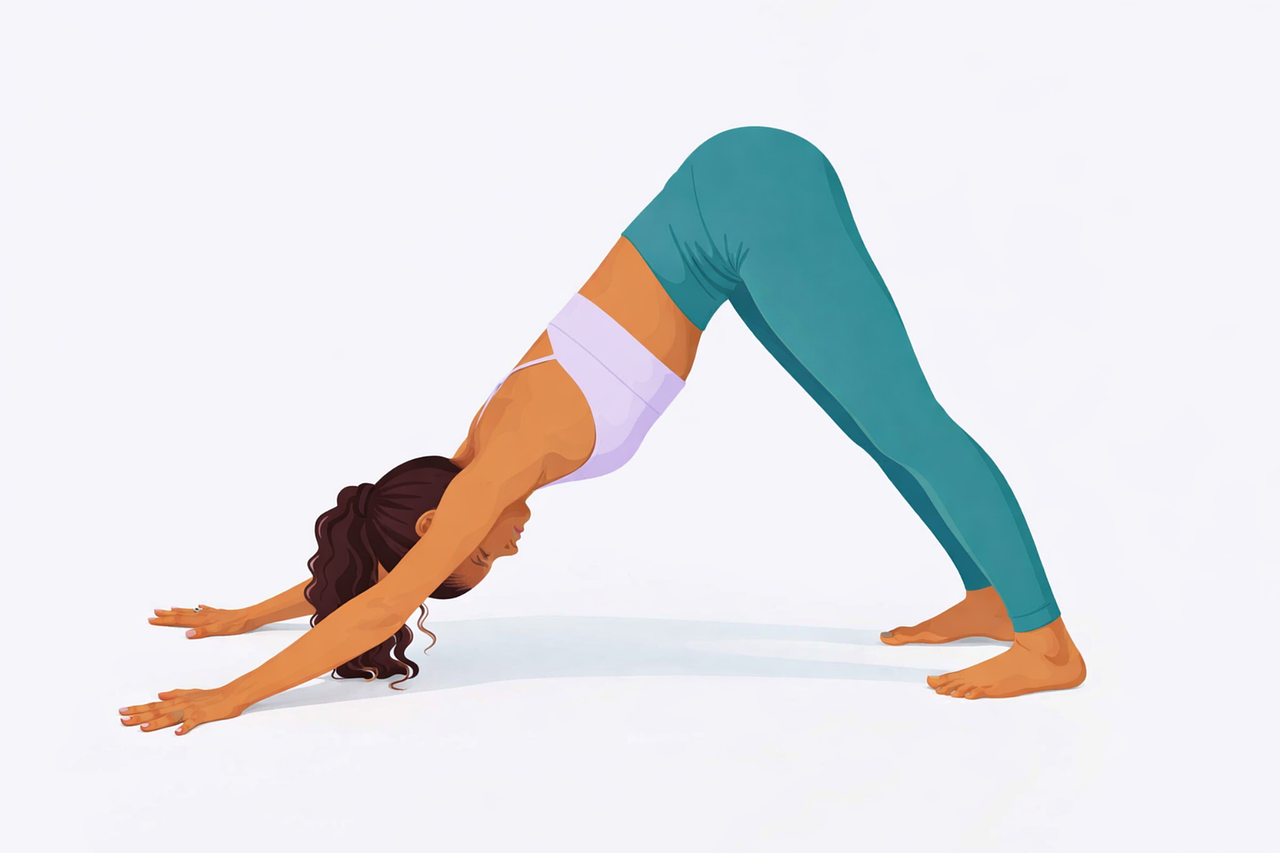

Combining Yoga with Other Home Workouts Safely
Yoga for beginners can be a great addition to your home workout routine, helping to improve flexibility, strength, and overall well-being. When you blend yoga with other forms of exercise, you create a balanced approach to fitness. However, safety should always come first. Understanding how to combine these workouts effectively will enhance your physical benefits. It’s crucial to listen to your body and avoid pushing yourself beyond your limits. Combining low-impact forms of exercise, such as Pilates and yoga, offers numerous advantages. However, you should start slowly, gradually incorporating movements from other workouts. Taking your time helps prevent injuries while maximizing effectiveness. Always consult a fitness professional before starting any new workout regime to ensure it meets your individual needs. Flexible routines may vary, and adapting them to your body is vital. Integrating different workout styles can lead to additional strength and stamina. This will help you increase your overall fitness and avoid monotony in your routine. Remember, the goal is to create a harmonious workout schedule that promotes health and enjoyment in your fitness journey.
As you embark on combining yoga with other workouts, focusing on balance is essential. Miching various exercises can enhance muscle engagement. Include strength training, cardio, or functional movements. However, it’s crucial to ensure they complement your yoga practice, thus providing harmony between flexibility and strength. Strive to identify your fitness goals, and then tailor your routines accordingly. For instance, if your focus is on weight loss, consider pairing yoga with high-intensity interval training (HIIT). HIIT can accelerate calorie burn while yoga helps improve recovery. This coupling allows you to work on overall strength and aerobic capacity while enjoying the calming benefits of yoga. Additionally, be aware of potential conflicts between workouts. Certain strength exercises can lead to tension that counteracts the relaxation found in yoga. Always make sure that the two workout styles synchronize well. Gradually increase the intensity over time and consider alternating days between yoga and other workouts. Monitor how your body reacts to this blend. Finally, keep in mind that listening to your mind-body connection should always remain your priority throughout your training.
Complementary Exercises for Yoga
Yoga works effectively with various exercises like swimming, cycling, or strength routines. These complement each other by allowing for strength building while maintaining flexibility. For instance, swimming provides a full-body workout while yoga increases core strength, thus yielding better performance in the pool. By alternating between these activities, you can develop a more rounded fitness level that minimizes injury risks. Cycling also enhances stamina and cardiovascular health, while yoga improves your dynamic balance. Think about including a session of yoga post-cycling to lengthen and ease fatigued muscles. Moreover, strength training can significantly bolster these benefits. Training your muscles through weights leads to improved strength, which enhances your yoga postures. This ultimately leads to better alignment and form in yoga. A good approach is to start with strength training before transitioning into yoga; nonetheless, be careful to allow rest. Crafting a routine that combines various exercises can significantly improve your overall health while keeping it enjoyable. Being intentional about adding diversity to your workouts helps ensure continual progress and engagement.
When integrating yoga with resistance training, ensure you safely observe your limits. Bodies react differently to exercise, which is why personalizing your routine is paramount. Begin with basic weight training sessions, focusing on core muscle engagement. This foundation helps sustain better yoga performance over time. Core exercises bolster stability and improve balance during various yoga postures. Also, remember to include stretching routines before and after workouts. This practice can prevent muscle injuries while maximizing flexibility development. Engaging in warm-up stretches adequately prepares your body for the main activity. Effective cooldowns encourage recovery and reduce muscle tightness after workouts. For example, try doing a few sun salutations after your resistance training to transition gently back to yoga. Additionally, you may want to consider yoga classes designed to work alongside strength training; some instructors may offer specialized sessions tailored to these combinations. Listening to your body’s prompts can continue enhancing your experience. Keep the focus on meaningful progression rather than pushing through discomfort. Consistency will foster better results over time, thus creating a satisfying feedback loop.
Listening to Your Body
While performing diverse workouts at home, always prioritize awareness of your physical condition. Being mindful of how your body feels will significantly improve workout effectiveness. Observe signs of fatigue or discomfort as indicators of potential injury. It is generally advisable to take breaks as needed, especially if you’re adding intensity to your routines. Proper hydration also plays a significant role in ensuring a smooth workout. Being adequately hydrated boosts your energy levels, enhancing the overall capacity for exercise. You can also consult with a qualified instructor who can help refine your practice. Professionals often provide invaluable advice on adjusting postures for individual comfort levels. Their insights can aid in safely combining yoga with other exercises. Furthermore, practicing mindfulness during workouts allows for enhanced focus. You will improve performance and help to appreciate the workout’s mental benefits. Maintaining a journal to track your progress could also help identify patterns, enabling adjustments to your schedule. At the end of the week, reviewing your journal can encourage motivation as you witness your growth. And remember to rest whenever you require it, preserving longevity in your practice.
Incorporating mindfulness practices like breath control can enhance your workouts significantly. Controlled breathing is a fundamental element in both yoga and many exercises. Focused breathwork aids in maximizing exercise performance and overall experience. Additionally, undertaking workouts after deep breathing facilitates relaxation and alleviates anxiety, promoting mental clarity. Consider dedicating a few minutes to mindfulness practices before beginning your routine, thus creating a calm mental environment. Start with deep breathing; inhale for a count of four, then exhale for the same duration. This technique can stimulate the body for a more productive workout. Alongside yoga, balance out workouts with stretching focused on major muscle groups. Stretching can aid in preventing stiffness post-exercise. You can also try visualization as another effective tool for enhancing sessions. Visualize each pose, executing it smoothly while focusing on breath and awareness. Engaging in visual techniques can connect both body and mind effectively during workouts. This complete mind-body connection bolsters progress immensely in both yoga and other workouts. Overall, remember that your fitness routine should be unique. Personalization tailored to your experience level is vital in helping to create a successful routine.
Conclusion
Combining yoga with other forms of workouts at home can foster physical and mental benefits. Prioritize safety, awareness, and intentionality throughout various disciplines. Keeping workouts cohesive ensures your fitness journey remains enjoyable. Begin with foundational moves, gradually evolving your routine to gain full advantage from both worlds. Create a workout schedule that fits your individual lifestyle while providing enough variety. It’s essential to adapt these practices around your unique fitness journey, thus promoting ongoing engagement. Exploring various workouts in addition to yoga will provide additional stimulation to your muscles and allow for maximal benefits. Staying motivated may encourage you to stick with your routine over the long run. Assess how your body responds to different movements continually, thus ensuring progress over time. Aside from enhancing physical fitness, combining these workouts benefits mental well-being. Ultimately, this positive outlook towards fitness encourages a loving relationship with your body. Remember, it shouldn’t just be about results but about enjoying the process itself while feeling good. Take time to reflect on your progress, maintaining a positive attitude towards challenges. The harmony of diverse workouts can indeed elevate your fitness aspirations.
Combining yoga with other exercises at home can transform your fitness journey, yielding many benefits. Hence, understanding guidelines that facilitate safe integration is crucial. As you explore various combinations, ensure that your body’s well-being remains prioritized. Stay conscious of your limits and consider that every body is different when tailoring your workouts individually. Doing foundational exercises before progression allows for increased comfort and capability. With consistent adjustments and attention to detail, you will eventually create a workout routine that keeps you motivated. Staying active through diverse collaborations keeps monotony at bay, while also catering to distinct areas of fitness. Ultimately, building habits takes time, so allow grace in your fitness pursuit. By integrating yoga into your routine, you will witness holistic improvements if the right approach is taken. Over time, this fusion will not just be physically rewarding, it will also foster a love for movement and exploration. Keep learning about what works best for you while providing suitable modifications as needed. Through gradual practice and intentional incorporation, achieving desired results becomes a more obtainable goal. Thus, embrace this unique blending style and allow your fitness to flourish.