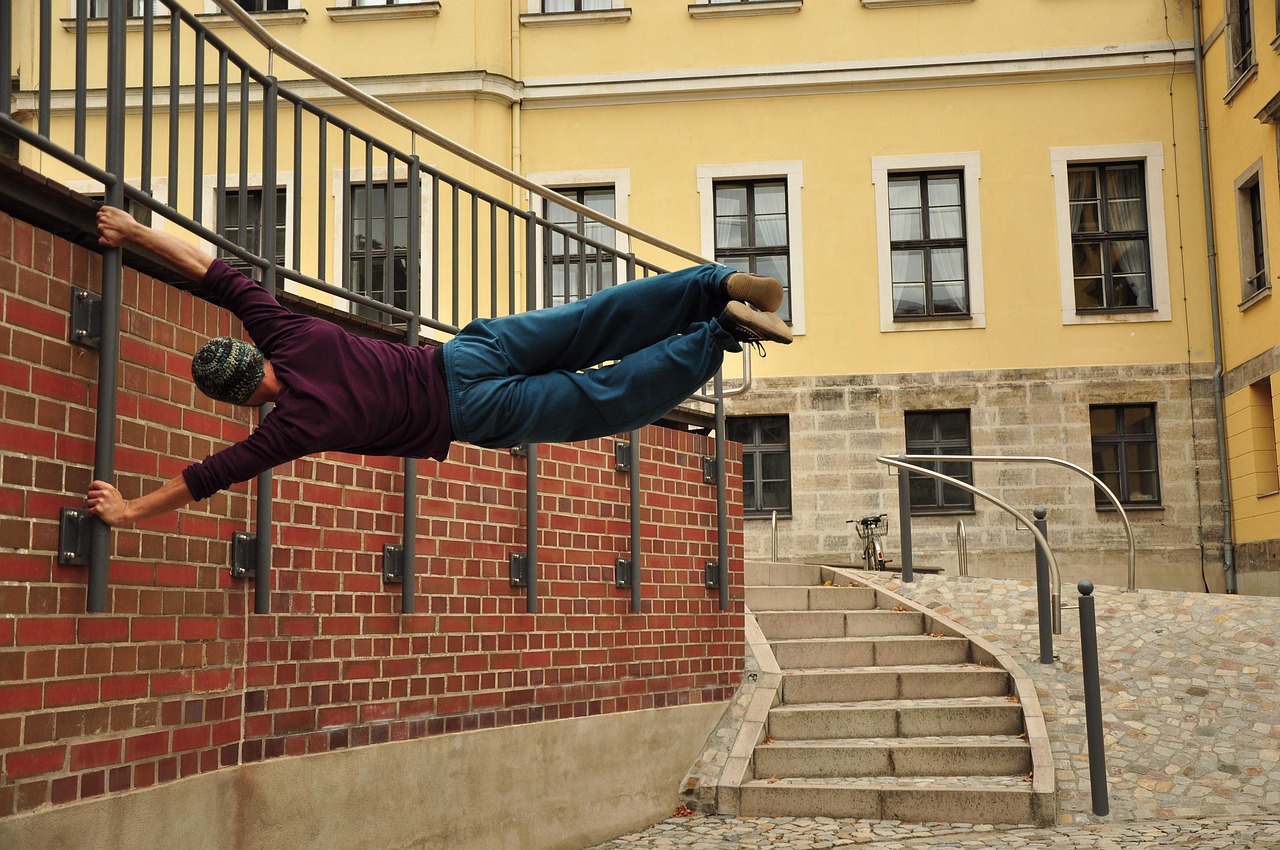

Overcoming Obstacles: Parkour in Forested Areas
Parkour takes on a unique character when practiced in forested areas. The rich environment provides an exciting backdrop, full of natural features such as trees, rocks, and uneven terrain. Practitioners must adapt and innovate to navigate these obstacles. Along the path, a freestyler might encounter low branches, thick underbrush, and vertical drops or climbs. Each element offers diverse challenges that require keen spatial awareness and agility. A well-prepared parkour athlete will have strategies for dealing with each type of terrain. These adaptations can include using the momentum of jumps and rolls to traverse obstacles with finesse. Utilizing natural features like fallen logs and boulders can add to the thrill and creativity of movements. Moreover, a deeper appreciation for nature develops as athletes begin to see the environment from new perspectives. Balancing speed and technique becomes crucial as one maneuvers through these natural landscapes. Success thus relies not merely on physical capability but also on mental resilience and clever problem-solving. In conclusion, exploring parkour in forests is enriching both creatively and physically for athletes of all skill levels.
When considering parkour in wooded areas, safety is paramount. Practicing in forests often leads to remote locations where help may not be readily available. Hence, understanding and adhering to safety procedures is vital. Athletes should familiarize themselves with the area to anticipate risks and avoid hazards, such as sudden drops or unstable ground. Additionally, using proper techniques for landing, rolling, and climbing can minimize the likelihood of injury. It’s also wise to wear appropriate footwear that provides traction while offering protection against rough terrain. Furthermore, working with a partner during training sessions can enhance safety measures. Spotting each other can effectively minimize risks associated with challenging jumps or falls. A strong foundation in basic parkour skills sets the stage for more daring maneuvers in the forest. Time spent warming up and practicing fundamental movements can greatly increase confidence. Regular assessments of one’s physical and mental readiness are also important. One must never underestimate the importance of a clear mind when exploring outdoor environments. In summary, implementing safety measures enables enjoyable and productive parkour practice in forested landscapes.
Training Techniques for Forest Environments
Training in forest environments requires specialized techniques that cater to the natural surroundings. One effective practice is to incorporate obstacles commonly encountered in forests, such as logs and rocks, into training regimens. Athletes can benefit from designing circuits that simulate real-life challenges. This approach allows parkour practitioners to improve their skills while adapting to various elements of the environment. Additionally, focusing on body control and balance is essential. Navigating uneven terrain necessitates a strong awareness of one’s positioning at all times. Regularly practicing movements on different surfaces helps develop the required adaptability. Athletes should also work on agility drills, enhancing their ability to react quickly to unexpected changes in the environment. Engaging in strength training specifically aimed at the core, legs, and upper body can improve performance across various parkour terrains. Furthermore, cross-training activities, such as hiking or climbing, can offer complementary benefits. These activities provide exposure to diverse skills necessary for overcoming natural obstacles. This holistic approach ensures both fitness and parkour techniques seamlessly integrate into the outdoor training experience. Therefore, implementing tailored techniques optimizes performance in forested parkour practices.
In addition, the psychological aspect of parkour in forests must not be overlooked. Being in a wooded area can evoke feelings of peace yet also intimidation. Athletes may face anxiety about attempting intricate moves among natural challenges. Recognizing that these feelings are common is the first step toward overcoming them. Practicing mindfulness can allow individuals to develop a greater sense of control over their thoughts. Techniques such as visualization and deep breathing can enhance overall focus. Setting small and achievable goals when practicing can help build confidence levels progressively. Gradually increasing the difficulty of obstacles will also instill a sense of achievement. Having a positive mindset is essential for navigating both physical and emotional challenges present in forest training. Building a supportive community with fellow athletes promotes encouragement and shared experiences. Engaging in friendly competitions or collaborative training sessions can strengthen bonds. Celebrating each other’s accomplishments cultivates motivation and fosters growth. Ultimately, an understanding of the psychological dynamics involved assists athletes in overcoming their limitations. Thus, embracing the mental aspect of parkour in forests adds depth to the practice.
Environmental Awareness in Parkour
Practicing parkour in forested areas also necessitates environmental awareness. Athletes should understand the importance of sustainability and respect for nature. This commitment not only ensures safety but also fosters a sense of responsibility among practitioners. Avoiding damage to delicate ecosystems while training is crucial. Parkour enthusiasts must take care to avoid trampling on plants or disturbing wildlife. Ensuring that training areas remain clean by picking up litter after training sessions is an essential aspect of preserving nature. Awareness of the seasonal changes, such as mud or snow, helps determine the best times for practice in forests. Wearing appropriate clothing for the season can prevent potential mishaps. Educating fellow athletes about these principles wields significant positive influence in the parkour community. Many parkour groups actively engage in environmental initiatives, such as organizing clean-up days at local parks. By promoting environmental respect, athletes can advocate a positive image of parkour and alter perceptions held by outsiders. Encouraging outdoor activity resonates with many young people while also fostering connection to nature. In conclusion, a commitment to environmental awareness enhances the parkour experience in forested areas while preserving these beautiful landscapes.
Furthermore, the community aspect of parkour practice in forests adds another layer of richness to the experience. Practicing in groups brings not only social benefits but also deeper learning opportunities. Sharing knowledge and techniques among peers contributes to collective growth. Forests provide ample opportunities for friendly competitions, fostering camaraderie among practitioners. By setting up challenges or obstacle courses, participants can test their abilities in a safe and constructive manner. These events promote teamwork and sportsmanship, enhancing the overall joy of parkour. Collaborating with experienced athletes can inspire less experienced individuals to push their limits, unlocking new potential. Moreover, observing others’ techniques can provide fresh perspectives, leading to personal breakthroughs. These interactions foster a vibrant community atmosphere, emphasizing support and encouragement over competition. Through shared experiences, athletes form lasting friendships, strengthening their connection to parkour. Regular meetups can drive consistent practice and skill improvement, ultimately enhancing performance. Involving local communities in parkour pursuits can also introduce new athletes to the discipline. Thus, promoting the community aspect of parkour in forests ensures a positive environment for both practice and enjoyment.
Conclusion: The Joy of Parkour in Nature
In summary, parkour in forested areas offers an exhilarating blend of challenge and creativity. Athletes can develop their skills, overcome obstacles, and explore their surroundings while embracing the beauty of nature. By incorporating safety measures, specialized training techniques, and mental strategies, practitioners can enhance their experience in these rich environments. Community support and environmental awareness further contribute to a positive parkour culture. The joy derived from conquering challenges unique to wooded landscapes fosters a sense of fulfillment that is hard to replicate elsewhere. Feeling connected to nature brings about benefits that extend beyond the physical aspects of practice. Engaging with fellow athletes builds relationships that enrich the journey. In addition, dedicating time to preserving the environment cultivates respect for the ecosystem and showcases the values of the parkour community. As one swings from branch to branch or leaps over obstacles, the forest transforms into a playground filled with endless possibilities. Ultimately, embracing the dynamic challenges posed by forested areas allows athletes to grow, innovate, and enjoy the thrill of parkour like never before. This unique journey through nature encourages individuals to appreciate and explore their own limits.
As you venture into the woods, parkour not only becomes a sport but also a pathway for personal growth and discovery. In every jump and tumble, the essence of freedom manifests itself, igniting a passion that reverberates throughout the community. Practicing parkour in forested environments deepens one’s connection to the natural world, blending physical agility with environmental appreciation. The exhilarating experience of practicing parkour outdoors fosters well-being and vitality. With forests as their canvas, athletes embrace the convergence of artistry and athleticism, transforming the act of movement into an expression of self. The challenges found in nature build resilience, fortifying one’s determination and willpower. This intrinsic motivation propels practitioners toward greatness, inspiring them to push past limits. Moreover, sharing this journey with others creates vibrant sessions filled with joy, learning, and mutual support. As the forest serves as an inspiring backdrop, athletes elevate their performance and creativity to new heights. Every training session becomes an adventure, marked by memorable experiences and remarkable achievements, all while forging strong bonds within the parkour community. Ultimately, parkour in forests symbolizes a journey toward mastery, enriching lives through movement and nature.