
Top 10 Bodyweight Exercises for Kids to Boost Strength and Flexibility
Engaging children in bodyweight exercises offers a whole range of benefits, especially when done in a fun and supportive environment. One of the primary advantages is that these exercises promote overall strength and flexibility without the need for weights or special equipment. Kids can perform a variety of movements that build muscle and coordination, making them ideal for developing physical skills early on. Bodyweight exercises can also improve balance, which is essential for everyday activities and sports. Simple exercises can be adjusted to better match the child’s age and fitness level, enhancing their enjoyment and likelihood of participation. No two kids are the same, so it is important to encourage individual pacing during exercise sessions. Lastly, bodyweight exercises foster self-confidence as kids achieve personal milestones. Here are ten excellent bodyweight exercises tailored for kids, ensuring a blend of fun and fitness activities. The exercises focus on making it enjoyable while helping children improve their strength and flexibility. It’s crucial for kids to engage in regular physical activity for their overall health and well-being.
Starting off with the classic push-up, this exercise is great for building upper body strength. Push-ups can be modified to suit younger kids by performing them on their knees. As they get stronger, kids can transition to regular push-ups on their toes. Push-ups work multiple muscle groups including the chest, shoulders, and core. A fun twist would be the clap push-up, which adds an element of excitement and challenges their strength. Next, we have the plank, an all-time favorite to strengthen the core muscles. Kids can try holding a plank for 10 to 30 seconds, progressively increasing their time as they get stronger. Another excellent exercise is the glute bridge, focusing on the posterior chain, which is essential for a healthy posture. Encourage kids to lie on their backs, bending their knees and lifting their hips off the ground. Each of these exercises can be incorporated into a short circuit. Additionally, these movements can be turned into games where kids can earn points or rewards.
Continuing with our list, the squat is another fundamental movement that kids can master easily, promoting leg strength and flexibility. Encourage kids to keep their feet shoulder-width apart, pushing their hips back like they’re sitting in a chair. To make it lively, organize squat races where kids compete to see who can do the most squats in a minute. Moving on, the bear crawl is a playful way to engage multiple muscle groups including the arms, legs, and core while also improving coordination. Kids can crawl forwards and backward across a designated area, making it a fun, interactive activity. Another exciting option is the frog jump, which helps improve explosive leg strength. This exercise allows kids to jump forward from a squatted position, ensuring even more fun during practice sessions. Adding movements like jumps keeps them motivated and engaged, and it’s a wonderful way for them to experience the joy of physical activity. Incorporating variety in bodyweight exercises will help maintain their enthusiasm.
Further enhancing strength and flexibility involves lateral movements. The side lunge is perfect for this, as it targets the inner thighs and improves lateral flexibility. Instruct kids to take a wide step to the side, bending one knee while keeping the other leg straight. This movement not only enhances strength but stability too. Following the side lunge, consider introducing the mountain climber, where kids adopt a plank position and alternate driving their knees towards their chest. It’s fantastic for cardiovascular endurance and is very enjoyable for kids who love action and speed! For young children, setting a timer and encouraging as many repetitions as possible makes it a fun challenge. Next, the cat-cow stretch serves as an excellent cooldown and flexibility workout, allowing kids to stretch their back and neck carefully. This gentle movement can be a relaxing transition after their energetic workouts. Encouraging them to combine breathing techniques with the stretch can help them develop mindfulness and body awareness.
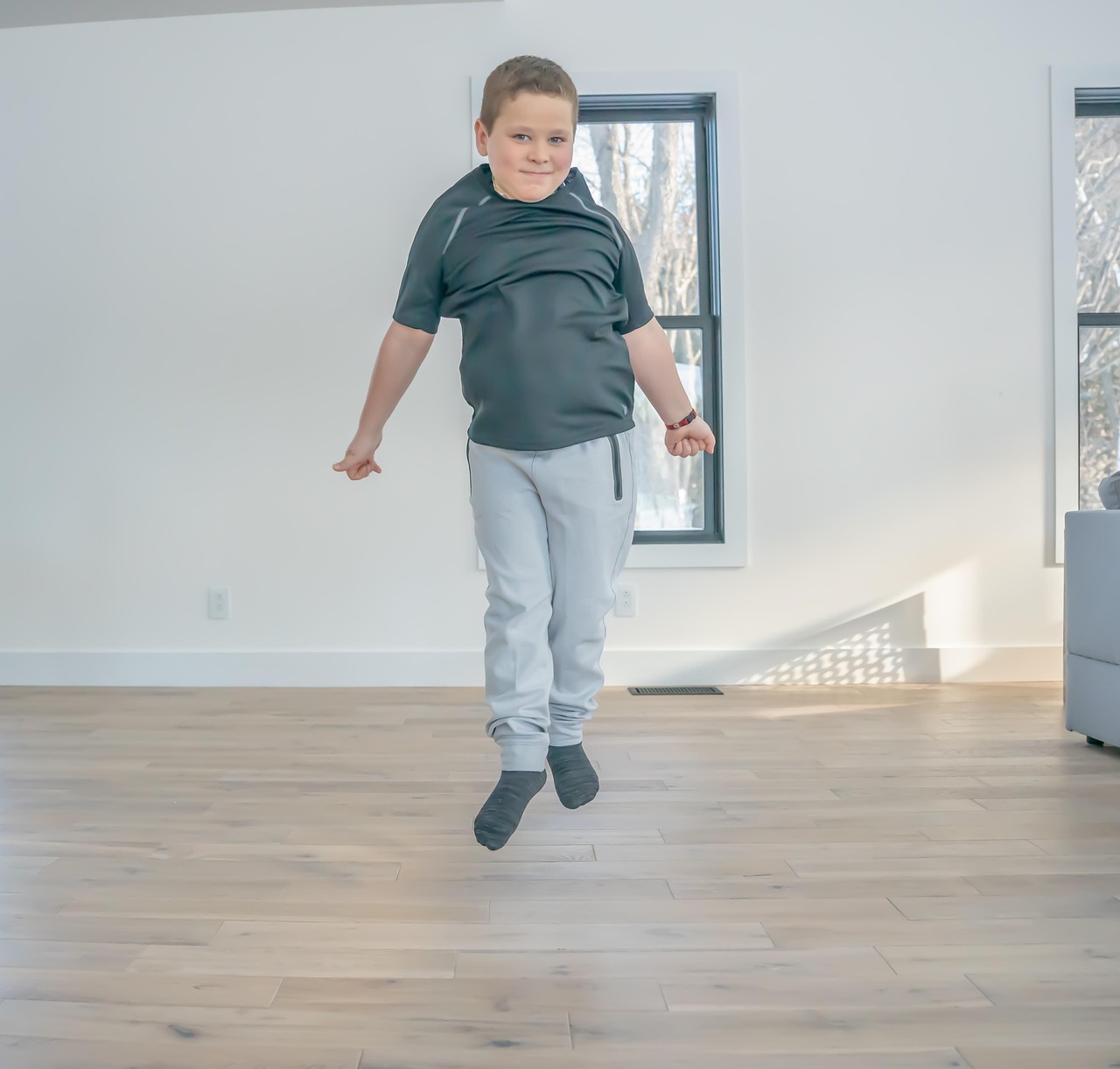
Jumping jacks are a classic exercise that allows children to raise their heart rates while improving overall coordination. This exercise involves jumping while simultaneously spreading the arms and legs. Incorporating counting games or songs during jumping jacks can turn a simple exercise into playful fun. Another engaging activity is the crab walk, where kids sit on the ground, lift themselves up with their hands and feet, and walk like a crab. This quirky movement strengthens the arms, legs, and core while ensuring tons of fun. Moreover, playing relay races with crab walking challenges can add excitement to group workouts. Lastly, we have the yoga poses, which have gained popularity among kids. Introducing poses like the tree pose or warrior pose enhances strength, balance, and flexibility. Teaching these through storytelling or themes can ignite their imagination while grounding them in physical activity. Engaging kids with creative themes during yoga ensures their sustained interest and makes the workout a memorable experience.
To summarize, the importance of cultivating a routine that includes bodyweight exercises cannot be overstated. It not only contributes to their physical health but also supports emotional well-being. By introducing children to fun exercises they can explore their physical capabilities while boosting confidence. Creating a supportive environment is essential; encouraging kids to work together with friends makes the workouts enjoyable and enhances social skills. As they complete exercises, celebrating milestones, no matter how small, will keep them motivated for continuous participation. Adjusting exercises to be in play format can further enrich their experience. Parents can play a pivotal role in this, leading by example and joining kids during these activities to strengthen family bonds. Keeping a balance between structured activities and free play is key to a healthy lifestyle. Ultimately, it’s important to remember that engaging kids in exercise at a young age sets a positive foundation for lifelong health habits. By incorporating variety and fun into exercise routines, parents can help instill a love for fitness and an appreciation of movement that lasts a lifetime.
The key takeaway from all these exercises is that they can be customized to suit the unique interests and abilities of each child. Each kid will progress at their own pace, making it essential to focus on positive reinforcement and enjoy the journey rather than fixating on competition or perfection. Letting children take ownership of their workout routines enables them to discover their preferences, whether they love jumping and racing or practicing yoga with friends. Create themed exercise days, such as dance or circus, where kids can feel free and express themselves. Involving them in setting goals or tracking their workouts can provide a sense of accomplishment. As they see improvements, whether in strength, flexibility, or endurance, their confidence will soar, and they will feel motivated to keep getting active. Ultimately, the goal is to foster a lifelong appreciation for being active and healthy. Parents and guardians can facilitate this by maintaining open lines of communication about wellness. By showing enthusiasm for physical activity, we are encouraging future generations to prioritize their health and cultivate healthy habits that lead to happier lives.
This guide to bodyweight exercises for kids is not merely a list. It serves as an invitation for kids to discover their strength and build confidence through movement. By choosing exercises that capture their interest, you will enhance their physical abilities and encourage social interaction, teamwork, and emotional growth. The more you emphasize the enjoyment and social aspects of these activities, the more eager they will be to stay involved. Remember that promoting physical health is a shared responsibility; as children grow, families can work together to ensure fitness remains a priority. As these young ones get stronger and more confident in their physical abilities, you will see a positive change in their approach to health and fitness. Keeping the sessions varied and fun will keep them engaged and looking forward to workout days. Planning events or family outings that include physical activities can solidify health as a fun aspect of life. Finally, the enjoyment found in these exercises can influence their long-term commitment to staying active, making healthy choices, and reaping the countless benefits that come with maintaining an active lifestyle.