
Tracking Steps and Calories: What Women Should Know
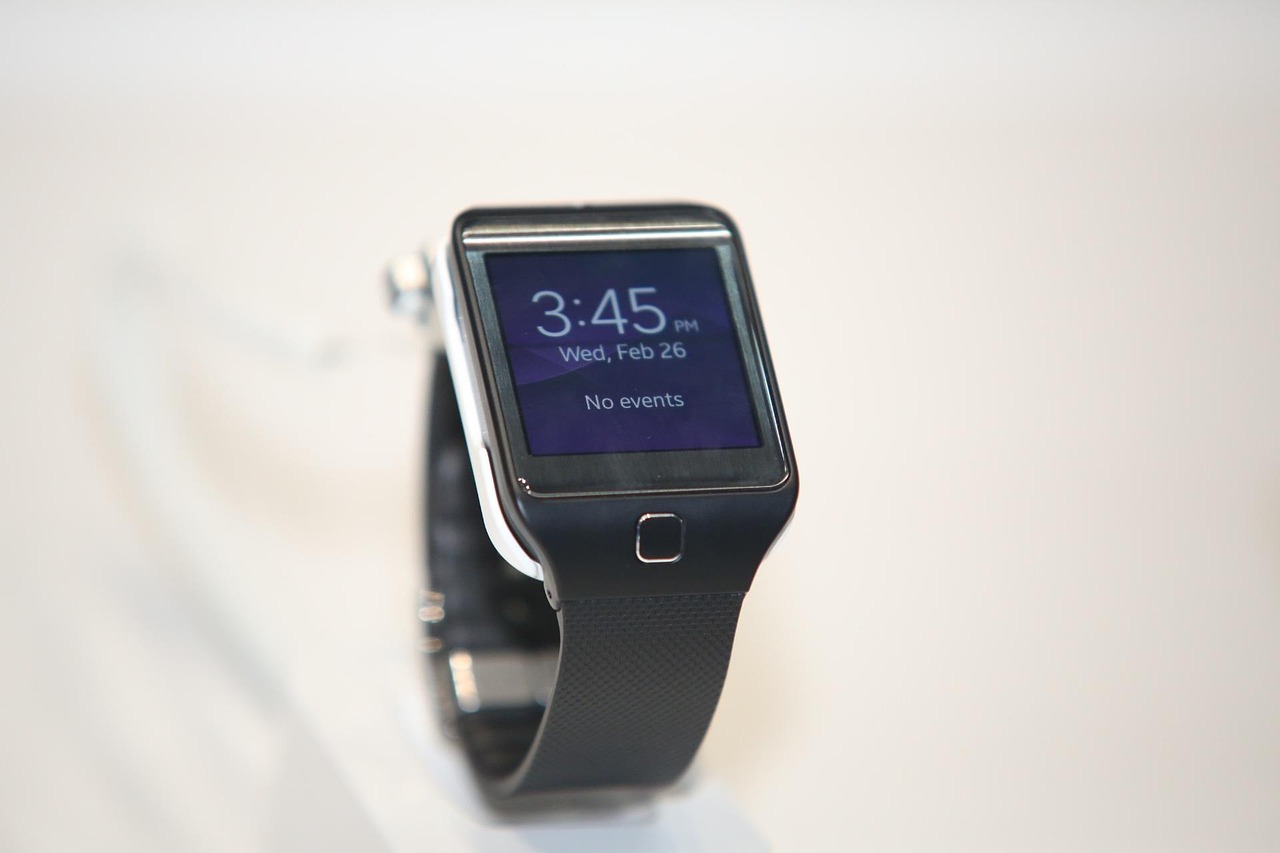
Fitness wearables have become increasingly popular among women looking to improve their health and track their progress. These devices offer a variety of features, including step counting, calorie tracking, and heart rate monitoring. With the right wearable, women can gain insights into their physical activity and make informed decisions about their fitness. Understanding how to effectively use these devices is essential for achieving personal health goals. The design of fitness wearables has also evolved to be more stylish and discreet, making them appealing for daily wear. Many models include advanced technology to provide real-time data and notifications. Furthermore, they can now sync with smartphones, enhancing their functionality and user experience. This level of connectivity allows women to receive alerts and analyze their progress easily. Women can track their fitness journey through intuitive apps, personalize workout routines, and establish realistic goals. Wearables also provide motivation through challenges and reminders, empowering women to stay active. The role of community features and social sharing can enrich the experience, helping women support each other in their fitness endeavors.
Understanding Caloric Needs
Determining caloric intake is fundamental in reaching fitness goals, whether it’s weight loss, maintenance, or gain. Each woman’s caloric requirement varies, influenced by factors such as age, metabolism, activity level, and workout intensity. Fitness wearables can assist in calculating daily calorie burns based on these variables. Many wearables utilize heart rate data to provide personalized estimates of calories burned during various exercises. Knowing the estimated calories burned can help women adjust their eating habits to meet desired fitness outcomes. Additionally, it is essential to remember that not all calories are created equal; focusing on nutrient-dense foods is vital for overall health. Incorporating fruits, vegetables, whole grains, and lean proteins can enhance energy levels and recovery. Fitness apps connected to wearables often offer meal tracking features, allowing users to log food intake easily. Through this integration, women can possess a holistic view of their health. Some apps also suggest healthy recipes and tips for meal planning, ensuring users stay on track. Commitment to healthy eating habits complements the efforts made with fitness wearables, ultimately leading to better physique and wellness.
Benefits of Step Tracking
Step tracking is one of the most accessible features offered by fitness wearables. Setting a daily step goal has proven advantages for health and well-being. Walking is a low-impact exercise accessible to most women, making it easy to incorporate into daily routines. Regular walking helps cardiovascular health, boosts mood, and supports weight management. Fitness wearables can motivate women to remain active throughout the day, encouraging movement wherever possible. Many devices provide reminders to get up and walk if they’ve been sedentary for too long, which is beneficial for overall health. Increasing daily step counts can lead to more significant changes over time, promoting higher energy levels and improved fitness. Women can challenge themselves or even connect with friends to increase accountability, making the journey more enjoyable. Tracking steps also helps identify patterns in physical activity, making it easier to adjust the approach as needed. Moreover, sharing step milestones on social media can foster a sense of community and support, motivating others to join the fitness journey. Overall, embracing step tracking in health routines can yield significant advantages for women.
Fitness wearables come with additional features that can enhance workout experiences. Features like sleep tracking, stress monitoring, and hydration reminders are becoming common, offering complete health insights. Sleep quality is crucial for recovery and overall well-being, and many wearables can monitor sleep patterns to help users improve their rest. Stress levels can also be assessed through heart rate variability, making it easier to identify and manage stressors. Women can utilize these insights to seek balance in their lives while embracing healthier lifestyles. Having hydration reminders ensures women maintain optimal water intake throughout the day. Especially during workouts or hot weather, staying adequately hydrated is important for maximizing performance. Overall, these diverse features go beyond mere tracking; they contribute to a holistic health analysis. Integrating all these components creates a comprehensive view of personal health. Many brands continue developing innovative features in wearables, creating more intelligent and versatile devices. This evolution caters specifically to women’s unique health needs. By understanding these advanced functions, women can take full advantage of the technology at their disposal. Awareness of and adapting to these features can lead to better fitness outcomes.
The Role of Motivation
Motivation plays a crucial role in achieving fitness goals, and fitness wearables can provide this vital boost. Many wearables include features that encourage active lifestyles through gamification. Setting personal challenges or engaging in friendly competitions with friends can enhance the commitment to fitness. Social sharing capabilities enable women to celebrate achievements, fostering a sense of pride and accomplishment. Wearables that provide reminders for daily goals, such as step counts or calories burned, keep users engaged and accountable. Regular notifications can serve as gentle nudges to stay on track, positively impacting adherence to fitness routines. To maximize motivation, women may want to explore different goal-setting strategies. For example, breaking larger objectives into smaller, manageable goals can create a sense of achievement along the way. Feedback from the wearable can validate progress, fueling the desire to reach the next milestone. Regularly reviewing progress and adjusting goals based on performance helps maintain momentum towards improving health. By embracing the motivational aspects of fitness wearables, women can create empowering fitness journeys that yield lasting results. A well-structured support system can also be essential in this process.
The importance of regular updates and maintenance of wearable devices cannot be overstated. Ensuring that devices have the latest software updates is crucial for optimal performance and new features. Regularly syncing data with compatible apps ensures that recorded metrics are accurate and up-to-date, aiding in health tracking consistency. Women should also consider the lifespan of their wearables, as older models might not provide the same level of functionality and accuracy. Therefore, researching and investing in reliable brands that prioritize user feedback is essential for long-term satisfaction. Cleaning the devices regularly helps maintain hygiene, as wearables are often in close contact with skin. Women can also explore accessories like interchangeable bands or stylish cases to personalize their devices. Personalizing the look of wearables can make them feel more like a fashion statement than a fitness tool. Furthermore, some platforms offer subscription services for added features or data analytics, enhancing overall user experiences. Staying engaged with the device can also have psychological benefits, reinforcing the commitment to fitness goals. Understanding maintenance and personalization aspects helps women fully embrace their fitness wearables.
Conclusion: Embracing Technology for Health
In conclusion, fitness technology and wearables provide essential tools for women pursuing health and fitness goals. Understanding their functions and capabilities empowers users to make informed decisions about their health journeys. Fitness wearables assist with step counting, calorie tracking, and monitoring various health metrics. These devices also provide motivation, support, and valuable insights to enhance everyday life. Emphasizing regular physical activity is key, but incorporating healthy eating habits is equally important for success. Women can benefit from using wearables to track physical activity and calory intake while staying engaged in their aspirations. Additionally, by prioritizing maintenance and personalization, users can enjoy their devices more while ensuring consistent performance. The role of community support and features that encourage connection should not be underestimated. Women are more likely to stay committed to their fitness goals when they share experiences and challenges with others. Ultimately, fitness wearables are not just tools; they represent a lifestyle change that embraces technology to achieve better health outcomes. Adopting these devices can lead women toward a healthier, more fulfilling future.
This diverse approach fosters an engaging experience, changing how women track and celebrate their health.