
Antioxidants and Their Contribution to Joint Health
Antioxidants play a crucial role in maintaining joint health by combating oxidative stress in the body. Oxidative stress arises from an imbalance between free radicals and antioxidants. Free radicals can cause significant damage to cells, leading to inflammation, which can impact flexibility and mobility. Consuming foods rich in antioxidants can help neutralize these free radicals. Some common antioxidants include Vitamin C, Vitamin E, and flavonoids, which are found in various fruits and vegetables. They promote the repair of damaged tissues and help maintain joint function. Specific foods, such as berries, dark leafy greens, nuts, and seeds, are excellent sources of antioxidants. Regular intake of these foods contributes to overall joint health and improved flexibility. Additionally, certain herbs and spices like turmeric and ginger contain potent antioxidants that may reduce inflammation and pain. Incorporating these into your diet can help improve your mobility. Understanding the relationship between diet and joint health is essential for maintaining an active lifestyle. A well-balanced diet, rich in antioxidants, can significantly impact how well your joints function.
Furthermore, antioxidants support the body’s ability to repair connective tissues, which is vital for joint flexibility. Connective tissues include ligaments, tendons, and cartilage, all of which play significant roles in joint movement and stability. When these tissues are compromised, it can lead to conditions like arthritis, which diminishes flexibility. Antioxidants help in the regeneration of these tissues by reducing inflammation commonly associated with their degeneration. Chondroitin and glucosamine supplements, often incorporated into diets focused on joint health, can work synergistically with antioxidants. These supplements further aid in maintaining the integrity of cartilage. To enhance joint flexibility, consistently opting for a nutrient-dense diet can bring positive outcomes. Integrating sources such as avocados, green tea, and sweet potatoes into your meals not only provides nutrients but also promotes antioxidant activity. Staying hydrated is another crucial component of joint health. Water aids in the lubrication of joints, preventing stiffness and pain. Thus, proper hydration combined with an antioxidant-rich diet can create an optimal environment for flexible and mobile joints. Dynamic stretching exercises, paired with good nutrition, further improve overall flexibility.
Moreover, the concept of inflammation cannot be overlooked when discussing antioxidants and joint health. Chronic inflammation is often a precursor to joint pain and reduced mobility. Antioxidants are instrumental in managing this inflammation. Research indicates that dietary interventions high in antioxidants can significantly lower inflammatory markers in the body. These markers are often responsible for chronic conditions affecting mobility, like arthritis and other degenerative joint diseases. A diet rich in antioxidants may help mitigate pain and improve functionality. Functions of daily life, from basic movements to physical exercise, benefit from these substantial health effects. Foods that can help reduce inflammation include tomatoes, beets, and fatty fish rich in omega-3 fatty acids. Omega-3s also play a role in reducing inflammation, enhancing the effects of antioxidants when consumed together. It’s essential for individuals, especially those with joint issues, to consider their dietary choices carefully. Along with a balanced diet, engaging in regular physical activity ensures the body remains fit and flexible. Adequate nutrition, particularly from antioxidants, substantially supports one’s quality of life, especially in enhancing mobility and flexibility.
Integrating Antioxidants Into Daily Life
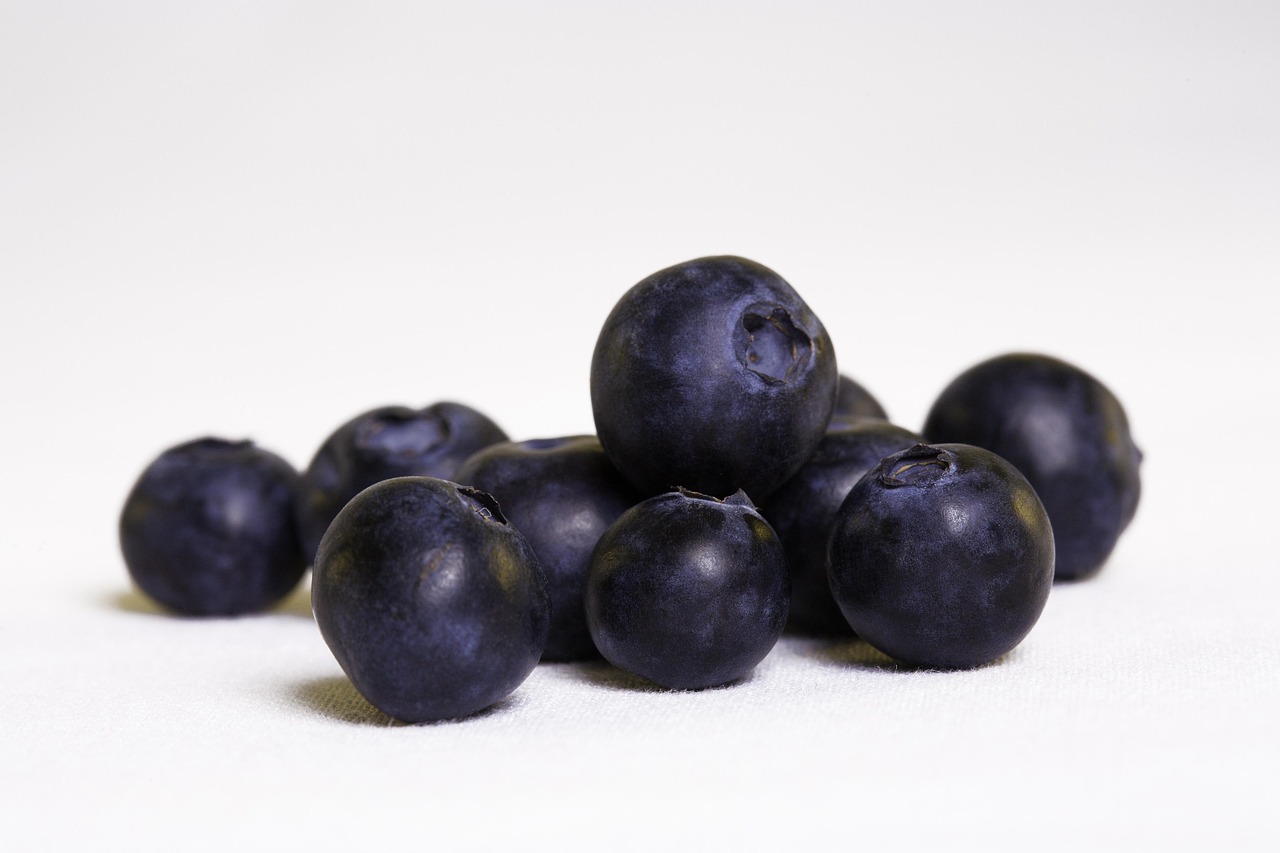
Integrating antioxidants into your daily diet doesn’t have to be complicated. The first step is to enrich your meals with a variety of colorful fruits and vegetables. These colorful foods are rich in vibrant antioxidants. For instance, bright purple fruits like blueberries, dark green vegetables such as spinach, and bright orange carrots are excellent sources. These foods not only taste delicious but also provide numerous health benefits. Incorporate salads filled with colorful vegetables topped with a handful of nuts or seeds, which also offer antioxidant benefits. Smoothies can also be an easy and enjoyable way to consume a range of antioxidants. Using combinations of berries, leafy greens, and plant-based milk can create powerhouse beverages. Furthermore, incorporating spices such as cinnamon or cayenne pepper can enhance flavor while adding health benefits. Eating a wide variety of foods ensures that you obtain different types of antioxidants, beneficial for overall health. By focusing on whole foods rather than processed options, you lay a solid foundation for joint health. This healthy eating pattern, along with consistent exercise, will make a significant difference in maintaining flexibility and mobility.
In addition to dietary sources, it’s worth exploring supplements that can help boost intake of antioxidants. Many individuals may feel their diet isn’t providing enough nutrients to combat oxidative stress effectively. In such cases, high-quality antioxidant supplements can be beneficial. However, it’s crucial to consult with a healthcare professional before starting any new supplements. This ensures that you’re choosing options that meet your specific health needs without potential adverse reactions. Supplements that contain turmeric, resveratrol, or curcumin have gained popularity for their anti-inflammatory properties. These compounds also enhance antioxidant capabilities within the body. Furthermore, some individuals may benefit from collagen supplements, which support joint health alongside antioxidants. Collagen plays a pivotal role in maintaining skin elasticity and joint integrity. Adequate protein intake is vital for overall body function, including joint health. Thus, focusing on both antioxidant-rich foods and quality protein sources can help enhance joint mobility. Striking this balance is essential to fostering better flexibility as people age. Remember, a holistic approach combining nutrition, exercise, and rest can lead to significant improvements in joint health.
Conclusion: A Holistic Approach to Joint Health
Ultimately, understanding the benefits of antioxidants is a powerful tool in maintaining joint health and enhancing flexibility. The relationship between nutrition and mobility cannot be understated. Diet plays a foundational role in joint integrity. Antioxidants combat oxidative stress, reduce inflammation, and promote tissue repair, directly affecting joint function. Engaging in physical activity also synergizes with a nutritious diet, supporting muscle maintenance and overall mobility. Thus, individuals seeking to improve their joint function cannot rely solely on diet or exercise alone; both are needed for optimal results. Individuals experiencing joint pain or reduced flexibility should prioritize a comprehensive approach that involves nutrition, exercise, and medical advice when necessary. Developing daily habits that incorporate antioxidants can significantly lead to long-term improvements. Recognizing the importance of hydration, balanced meals, and physical activity is crucial for joint health. As the body ages, being proactive about joint care through nutrition becomes increasingly important. Therefore, embracing a diet rich in antioxidants coupled with an active lifestyle greatly enhances flexibility and mobility, benefiting overall well-being.
In conclusion, antioxidants contribute significantly to joint health. Improving flexibility requires a combination of proper nutrition, physical activity, and mindful living. Planning meals that focus on antioxidant-rich foods establishes a proactive approach. Add variety and color to your plate to ensure comprehensive antioxidant intake. Involve fruits, vegetables, nuts, seeds, and lean proteins in your daily meals. Engage in aerobic and flexibility exercises to support joint function and overall mobility. Each of these elements plays an integral role in creating healthy habits that enhance joint health. With consistent efforts, individuals can experience improved flexibility and mobility throughout their lives. In addition to dietary changes, consider lifestyle modifications like stress management techniques or restorative practices like yoga or Tai Chi. These not only complement a nutritious diet but also provide additional benefits for joint health. Always listen to your body and make adjustments as needed. With time, patience, and dedication, you can achieve lasting results that foster vibrant joint health. Studying the intricate link between nutrition and your joints enables you to live a more active and fulfilling life. Make healthy choices and embrace the power of antioxidants today!
Taking small steps can lead to major health improvements, particularly in maintaining healthy joints. Opting for antioxidant-rich snacks, engaging in regular stretching, and drinking plenty of water are practical strategies. Prioritize incorporating colorful fruits and vegetables in meal prep with easy smoothies for breakfast. Additionally, consider joining local fitness classes or walking groups that encourage engagement with the community. Such involvement promotes not just physical activity, but fosters a sense of belonging and motivation. While embarking on this journey, keep track of your improvements to stay inspired along the way. Celebrate the effort you put into enhancing your joint health! Ultimately, finding a personal balance between nutrition and exercise is tailored to individual preferences. Starting slow is advisable for those new to fitness, gradually increasing intensity as confidence builds. It is equally important to consult with healthcare professionals, especially for individuals with pre-existing conditions. This ensures that all adjustments made are safe and effective. Embracing a holistic approach to wellness is empowering; it results in an improved quality of life. Consider how every small change contributes to your overall well-being, particularly in flexibility and mobility.