
Essential Hydration Techniques for Triathlon Success
Hydration plays a crucial role in triathlon training, as it directly impacts performance and recovery. Triathletes must understand the importance of maintaining optimal fluid levels during training and races. Dehydration can lead to fatigue, decreased performance, and even serious health risks. To combat these issues, it’s essential to implement effective hydration strategies. Making a plan that factors in temperature, duration of workouts, and sweat rate can significantly enhance hydration efficiency. Understanding specific hydration needs should be among your top priorities; tracking these metrics consistently fosters awareness. The goal of your hydration plan should be not only to prevent fatigue but also to help with recovery post-exercise. Incorporating electrolyte-rich fluids and snacks during workouts can aid in maintaining proper balance. Triathletes often overlook this in their schedule, causing avoidable complications during competitive events. In-depth research into personal hydration preferences can lead to tailored strategies. In conclusion, devising a hydration plan that accommodates training demands can boost your triathlete performance exponentially. Knowledge is power in triathlons, and mastering hydration can lead to your greatest successes.
Types of Hydration Solutions
When it comes to keeping hydrated during triathlon training, understanding the types of available hydration solutions is vital. Various drinks and supplements can help, each with specific purposes and benefits. Water is essential, yet it won’t suffice alone for intense workouts. Sports drinks contain electrolytes and carbohydrates to enhance hydration and replenish lost nutrients during endurance activities. These drinks often contain sodium, potassium, and magnesium, contributing to optimal performance. Additionally, isotonic drinks can be beneficial since they match the body’s natural fluid balance and can be quickly absorbed for fast recovery. Energy gels and chews are also crucial during long endurance training sessions, providing quick energy and hydration. Be careful in choosing flavors since your stomach may be more sensitive during intense training. Experimenting with different products during training also helps identify what works best for you. Try to maintain a consistent sampling on the days leading up to your race to see how your body responds. Recognizing the importance of strategically timed hydration will help you excel at every stage of training.
Pre-race hydration is a pivotal component in triathlon preparation that often gets overshadowed by more prominent aspects like nutrition and strategy. Athletes should begin their hydration efforts one to two days ahead of the event, focusing on increasing fluid intake to ensure proper body stores. Aim for a balanced mix of water along with electrolyte drinks to equip your body for a demanding challenge. Establishing a personalized hydration plan can effectively distribute fluids throughout your body. It’s crucial to drink consistently instead of consuming excessive amounts all at once; this promotes better absorption. Tracking urine color can also serve as a quick hydration gauge. Ideally, it should be a light straw color during this pre-race phase. Additionally, listen to your body for signs of thirst, which can be an early indicator of dehydration. Another strategy to consider involves gradually increasing your fluid intake as race day approaches. This way, your body retains optimal hydration levels without feeling bloated. Remember that different individuals may have varying needs; be ready to adjust your consumption as needed on race day.
Hydration During the Race
Managing hydration during the race is critical, as athletes can lose significant amounts of fluids through sweat. To maximize performance, develop a hydration strategy for different segments of the race. Familiarize yourself with available aid stations, and plan ahead for when to consume liquids. As a rule of thumb, drink small amounts frequently instead of large quantities infrequently—this helps the body absorb fluids more effectively. Also, consider the environmental conditions when determining your hydration needs. Hot and humid weather can drastically increase fluid loss, while cooler conditions may decrease the urgency to rehydrate. In addition, the distance and duration of the segments require different hydration approaches. Shorter swims and bike races may only require fluids at specific intervals, while longer runs will likely necessitate consistent intake. Pre-packed hydration belts or vests offer convenience and encourage athletes to stay on schedule. Be sure to practice your race day hydration strategy during training to assess its effectiveness. Remember that discovering the right mix of water and electrolyte solutions throughout the race can prevent severe dehydration and lens an edge over competitors.
Post-race hydration is often overlooked yet remains a vital aspect of recovery for triathletes. After completing the race, the body needs to restore lost fluids and nutrients to promote efficient recovery. Begin rehydrating as soon as possible, aiming to consume a combination of water and electrolyte-rich beverages within 30 minutes post-exercise. This timeline is crucial as your body absorbs fluids better immediately following strenuous activities. Before you leave the race venue, consider consuming a sports drink to help enhance hydration while replenishing essential nutrients. Pairing your rehydration efforts with a healthy post-workout meal will expedite recovery, further equipping your body for future training sessions. Including protein sources helps repair muscle tissue alongside hydrating fluids, solidifying recovery. Pay attention to any sensations of thirst; listen to your body’s needs for quick replenishment. As a best practice, weigh yourself before and after a race to gauge fluid loss accurately and adjust your hydration efforts accordingly. Research shows that many athletes fail to meet their hydration needs post-race, directly impacting their recovery duration.
Monitoring Hydration Levels
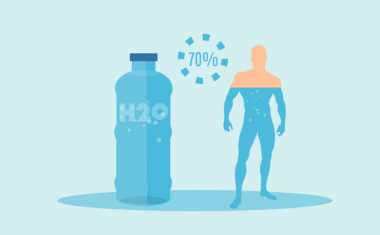
Monitoring hydration levels is an essential practice for enhancing performance and maintaining health as a triathlete. Several simple methods can assist triathletes in effectively tracking their hydration status throughout training and races. A popular method includes checking urine color as a straightforward indicator—light straw-colored urine generally signifies adequate hydration. A more advanced method involves regularly weighing oneself and calculating body weight changes due to hydration levels. Fluctuations of more than two percent can trigger increased caution regarding fluid intake. Additionally, athletes can invest in body composition scales that offer precise metrics concerning water percentage in the body. Wearable devices with advanced analytics can also help monitor hydration levels, permitting real-time data collection during exercises. Keeping a hydration journal can be particularly beneficial; taking notes allows athletes to evaluate correlations between hydration and performance effectively. Adequate hydration often correlates with enhanced stamina and effective recovery. By combining various methods, triathletes can create a personalized approach to hydration tracking. Prioritizing consistent monitoring ensures water intake aligns with workout demands, ultimately improving athletic performance.
In conclusion, triathlon training and hydration strategies are intimately linked to performance and recovery success. Athletes must prioritize hydration in preparation, during, and after races to enhance their overall health and endurance stats. Creating a personalized hydration plan tailored to your specific needs, different training segments, environmental conditions, and personal tastes will lead to better results. Awareness of the types of hydration solutions and understanding their benefits can greatly improve performance capacity. Remember, pre-race hydration strategies help set the stage for an optimal start. Practicing on hydration techniques during training will solidify your game plan on race day, ensuring you don’t find yourself caught off-guard. Post-race hydration management directly influences recovery times, as replenishing fluids and electrolytes is crucial before the next training session. Monitoring hydration levels through an array of techniques—like tracking urine color, weight changes, and advancements in wearable technology—will help provide better insights into hydration status. Ultimately, commitment to hydration can define your success as a triathlete, impacting both performance and health effectively.