
The Impact of Yoga on Athletic Reaction Time and Speed
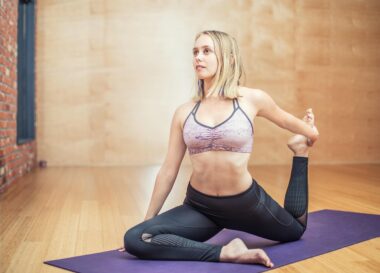
Yoga has been increasingly recognized as an effective cross-training method for athletes. This ancient practice enhances not only flexibility and balance but also plays a significant role in improving reaction time and speed. In competitive sports, these attributes are crucial, as quick responsiveness can determine the result of a game or race. By incorporating yoga, athletes can improve their mental focus, allowing them to react more swiftly and efficiently. This improved concentration serves to minimize distractions during competitions, thereby enhancing performance. Furthermore, the practice of mindfulness in yoga allows athletes to remain calm under pressure, which is essential during critical moments in events. The synchronization of breath with movement in yoga facilitates better oxygen flow and increases stamina, which are vital for maintaining speed throughout athletic endeavors. Athletes report higher energy levels alongside improved reaction capabilities post-yoga practice. Regular training sessions focusing on mindfulness can lead to long-term benefits, creating an optimal state for athletic performance. The holistic approach of yoga, addressing both the body and mind, proves invaluable for athletes striving for excellence in their sports.
Improving Flexibility and Speed
The relationship between flexibility and speed is often overlooked. Improved flexibility through yoga can contribute to faster movements, as it allows for a greater range of motion. As athletes stretch and strengthen muscles, they can perform explosive movements more efficiently, directly impacting sprinting and jumping abilities. Studies indicate that consistent yoga practice can positively change muscle elasticity and joint health over time. Increased flexibility allows for optimal muscle contractions, which leads to faster reaction times. For instance, sprinters who incorporate yoga tend to register improved acceleration off the blocks. This is because flexible muscles and joints can respond quicker to the demands of rapid movement. Moreover, improved recovery rates from injuries are noted with yoga practice. This is because regular stretching and relaxation techniques enhance muscle healing and rejuvenation, which are critical for maintaining speed routines. Athletes can benefit from specific yoga poses designed to enhance hamstring and hip flexor flexibility, essential for speed enhancement. In doing so, athletes cultivate not only physical capability but also a greater understanding of their bodies, allowing them to push the limits of their performances.
The integration of breath control in yoga is another pivotal aspect impacting athletic performance significantly. Controlled breathing techniques, or pranayama, facilitate athletes’ capacity to manage exertion levels during high-intensity activities. Better control of breath enhances oxygen intake efficiency, which is crucial for sustaining intensity in sporting events. When athletes engage in yoga practices, they learn how to regulate their breathing, which further contributes to improved stamina. This knowledge becomes particularly useful in critical moments when every second counts. By developing a rhythmic breathing pattern, athletes can maintain energy levels while executing movements with precision and speed. Moreover, stress reduction through mindful breathing can enhance focus, as athletes learn to channel their nervous energy into positive performance energy. The mental clarity gained through focused breath control can drastically affect timing in sports, leading to quicker decisions and faster reaction times. Athletes looking to optimize their performance find that mastering breath control through yoga translates effectively onto the field or court, equipping them with a powerful tool for competition. Practicing breath work supported by physical postures will notably improve both reaction time and overall athletic agility.
Mindfulness and Mental Agility
Yoga cultivates mindfulness, which plays a critical role in enhancing mental agility. In competitive sports, decision-making often occurs in split seconds, making mental readiness paramount. The mindfulness approach of yoga trains athletes to remain present, significantly improving their cognitive response times. Meditation, a key component of yoga, encourages athletes to develop sharper focus levels. This sharp focus translates into better situational awareness during competition, leading to tactical advantages over opponents. Through consistent practice, athletes can become adept at observing their surroundings and elements within the game, allowing them to make immediate, effective decisions. Therefore, mental agility nourished by yoga practices not only enhances physical response capabilities but also enriches overall strategic gameplay. Importantly, athletes who cultivate mindfulness report feeling less anxious, contributing positively to their competition mindset. Moreover, this decreased anxiety helps maintain composure during high-stakes situations, which intertwines perfectly with the need for quicker reactions when seconds count. Integrating such mindfulness techniques into regular training regimens empowers athletes to maximize their concentration, allowing them to respond faster to any challenges or changes they encounter in various athletic scenarios.
The importance of balance in yoga cannot be underestimated when discussing speed and reaction time. Balance poses enhance stability, which is a key factor in executing fast movements effectively. Athletes who have better balance can transfer their speed more efficiently, creating an effective propulsion needed during various sports. This remains particularly beneficial in dynamic sports, where quick changes in direction or speed are typical. Engaging in balance-focused yoga positions strengthens the core and lower body muscles responsible for stabilization. These muscular improvements allow for enhanced control when performing fast, complex movements, leading to superior athletic agility. Furthermore, athletes who practice yoga regularly report increased proprioception – the body’s ability to sense its position – which is critical in executing speedy maneuvers. Moreover, yoga can correct imbalances in muscle strength, ensuring that athletes perform optimally during competition without risking injury due to instability. Recovery benefits can also arise thanks to the restorative nature of yoga, allowing athletes to recover faster and return to training quicker, thus enhancing their overall speed and agility in competition. Thus, balance training through yoga is integral to refining an athlete’s overall performance capabilities.
Incorporating Yoga into Training Regimens
For athletes keen on harnessing yoga’s benefits, incorporating it into training is essential. It is advisable to include short yoga sessions post-workout to aid recovery or as part of a warm-up routine. Transitioning into yoga practice gradually enables athletes to acclimate their bodies to new movements without injury risks. Moreover, targeting specific muscle groups that athletes rely on for performance through yoga can yield substantial results. Athletes can opt for classes that focus on strength and flexibility or particular routines that emphasize core stability and balance to improve reaction time. Personalized yoga programs tailored to individual athletic needs can offer significant advantages, particularly in addressing unique limitations each athlete may face. Some athletes might consider employing a yoga coach to ensure proper alignment and technique while also maximizing the benefits of their practice. Additionally, regular commitment to yoga practice can amplify not only physical benefits but also foster mental resilience, fostering an athlete’s overall well-being. By blending yoga with traditional training methods, athletes can ensure their training is well-rounded, promoting longevity and sustained performance in their respective sports.
The positive impact of yoga cannot be understated in its connection to athletic reaction time and speed. With consistent practice, athletes witness discernible improvements in both mental and physical capacities. Enhanced focus, flexibility, and balance foster environments where optimal performance can thrive. In addition, yoga cultivates an athlete’s mindfulness, enabling quicker decision-making on the field or court. By strengthening the mind-body connection through dedicated practice, athletes deliver faster reaction capabilities and improved outcomes during competitions. Indeed, the effects are holistic; the synergy between physical readiness and mental acuity can elevate any athlete’s game. A consistent yoga practice harnesses latent potential lying within, allowing for recognition of one’s abilities while nurturing personal strengths. As athletes embrace yoga, they will experience comprehensive benefits that extend beyond the mat. Performance metrics in sports such as sprinting, swimming, and team games can see exponential growth through these adaptations. Athletes should prioritize integrating yoga to not only enhance speed but ensure recovery and holistic wellness throughout their careers. This multifaceted approach is crucial, cultivating champions who can efficiently leverage their skills under pressure, including maintaining peak performance throughout their athletic journeys.