
Incorporating Tai Chi Elements Into Your Calisthenics Cool-down
The synergy between calisthenics and Tai Chi offers a unique approach to cool-down routines. Incorporating Tai Chi elements into your cool-down can enhance flexibility and promote relaxation. Similar to calisthenics, Tai Chi emphasizes bodyweight movement but adds a meditative aspect. During your cool-down, focus on slow, controlled movements that mirror Tai Chi techniques, allowing your muscles to gradually relax. You might consider integrating movements like the ‘Cloud Hands’ position, which flow and help dissociate the body’s tension accumulated during a workout. Engaging in deep breathing while performing these movements encourages mental awareness and further aids relaxation. Such incorporation strengthens the mind-muscle connection crucial for recovery. By practicing these movements mindfully, your body transitions smoothly from a high-energy workout back to a restful state. This transition helps maintain flexibility and improves balance. Ultimately, this method not only helps in physical recovery but also nurtures your mental state of calmness, preparing you for subsequent workouts or daily tasks. Overall, Tai Chi serves as a bridge between physical exercise and mindfulness, offering benefits that enhance overall well-being.
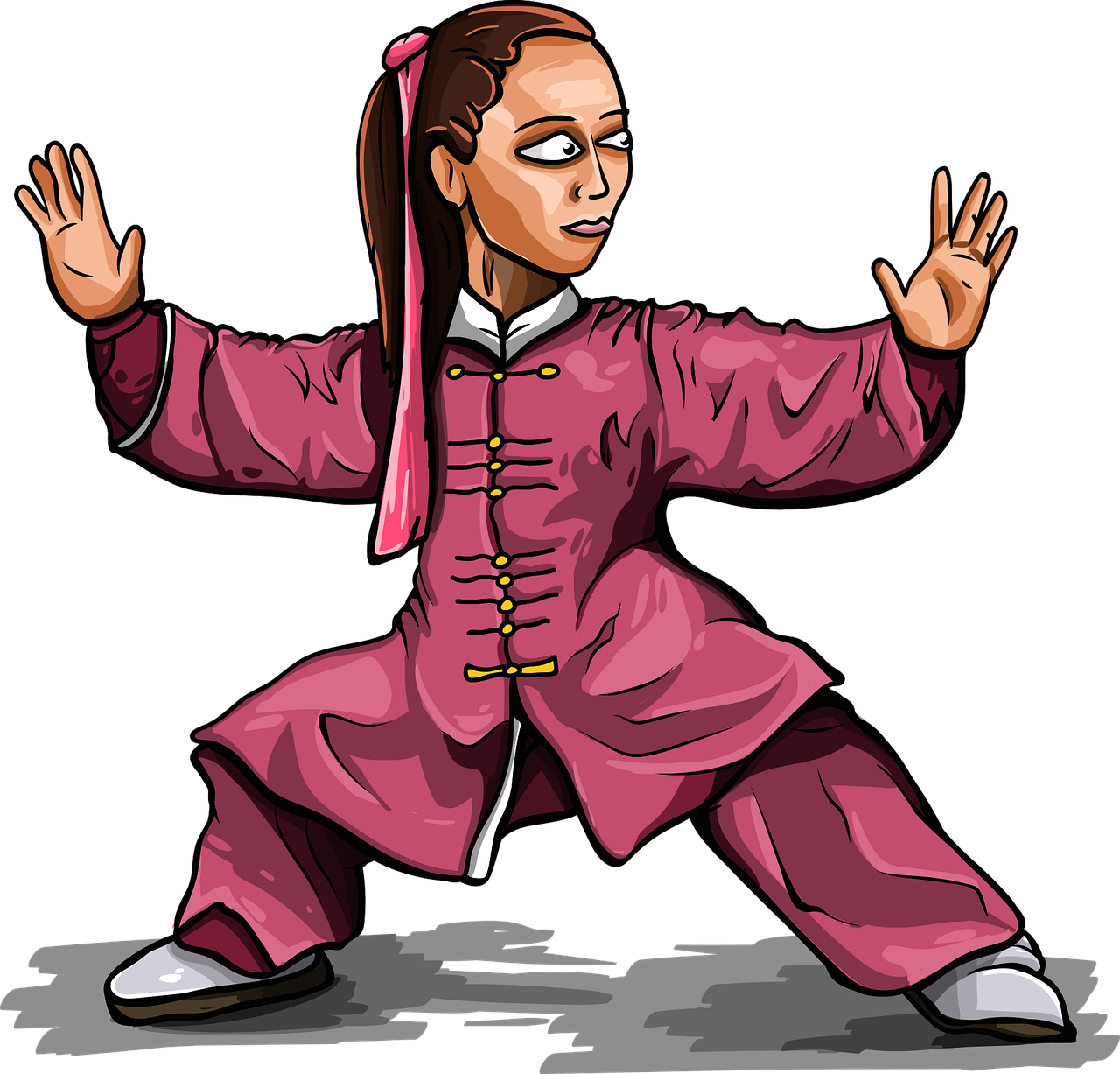
Images of Tai Chi illustrate the delicacy and control associated with these movements. Studies have shown that incorporating slow, flowing movements can significantly reduce muscle soreness after a rigorous calisthenics session. In our practice, it is beneficial to embrace a routine that blends these disciplines harmoniously. Think of your cooldown as a critical component of your exercise regimen. Ideally, you want to preserve your progress while minimizing injury risks. Moreover, adopting this holistic approach prompts a comprehensive understanding of bodily mechanics. Look for online resources or local classes to deepen your Tai Chi knowledge. Many practitioners emphasize the importance of regularly practicing despite complexity. Engage in movements such as ‘Brush Knee and Push,’ which encourages fluid motion translating into better muscle recovery. Consistency is vital; therefore, try dedicating specific cooldown sessions to Tai Chi techniques. As you grow more comfortable, explore more intricate movements that challenge your stability and flexibility. Document your progress to appreciate the improvements over time. Understanding this connection nurtures a sense of achievement, motivating further exploration into this captivating discipline.
The Benefits of Tai Chi in Recovery
Implementing Tai Chi into your cool-down brings multiple benefits for recovery and mental clarity. Many athletes find that integrating these gentle movements helps streamline recovery after intense workouts. The movements serve not only as stretch enhancers but also as stress relievers. They encourage deep breathing techniques, which are central to both Tai Chi and calisthenics. Enhancing your oxygen intake through these techniques can improve circulation and accelerate recovery. Furthermore, Tai Chi encourages mindfulness. This practice helps foster a deeper connection with one’s body, promoting awareness of how various movements affect muscles and joints. Additionally, Tai Chi is known for its balance and coordination improvements. When incorporated into cooldown, it equips practitioners with tools to execute calisthenics more efficiently in future sessions. Injury prevention is also paramount; by embracing Tai Chi principles, practitioners cultivate better body mechanics that can sustain higher intensity training over time. Through consistency, you will witness gradual physical and mental improvements that lead to more effective workout sessions. Thus, the combination of calisthenics and Tai Chi promises not only physical benefits but also catalyzes overall wellness.
Finding the right routine can be an exciting journey through both calisthenics and Tai Chi techniques. Customizing cooldown routines allows you to align with personal goals and adapt to various fitness levels. Start simple: select a few movements to familiarize yourself with Tai Chi’s principles. Gradually increase repetitions as you gain comfort. During cooldown, ensure that each movement flows intuitively into the next, respecting Tai Chi’s philosophy of harmony. Pair these methods with guided sessions from qualified instructors. Explore available online classes that allow you to observe the nuances of Tai Chi. This practice aids in grasping a deep understanding, driving your cooldown’s effectiveness. Additionally, maintain a journal to track the improvements you notice, both physically and mentally. Reflect on muscle soreness reduction or mental calmness achieved through practicing these movements. Alongside physical recovery, Tai Chi cultivates patience and focuses. Implement a routine that accommodates your lifestyle. Adapt the repetition and difficulty level as needed. Always listen to your body and regard signals to prevent overexertion. Ultimately, the ultimate goal is fostering a balanced, sustainable approach to health and well-being.
Creating a Seamless Transition
Transitioning from an intense calisthenics session into a calming Tai Chi cooldown involves intentionality. The essence lies in establishing a gradual shift from high to low energy. Begin with moderate calisthenics exercises that elevate your heart rate. Following this, start the cooldown process with deep, intentional breaths to signal your body to settle. Begin Tai Chi movements gradually, ensuring your body starts to adapt to slower rhythms. Crucial elements are focus and intent; the primary purpose is to recenter your mind and body connection. Employ movements that promote hip and spine flexibility first, such as ‘Parting the Horse’s Mane.’ These gentle stretches alleviate tension and increase blood flow to fatigued muscles. Follow this by incorporating ‘Wave Hands Like Clouds,’ which offers lateral movement to improve coordination. As each transition occurs, emphasize depth in your breaths; make sure you inhale through the nose and exhale through the mouth. Finally, conclude your session with a moment of stillness. Meditate briefly, allowing your body to fully absorb this blend of calisthenics efficiency and Tai Chi’s meditative quality for maximum benefits.
Consider incorporating your personal favorite Tai Chi movements into the cooldown, fostering a sense of individuality within your routine. Discover what resonates best for your body and its unique dynamics. Engage in practice sessions, focusing on integrating each Tai Chi element seamlessly. Listen to various music genres that promote relaxation, setting the right mood for your cooldown. Experiment with different environments; perhaps performing in nature, where you can connect back with the earth while practicing. Doing it outdoors enhances mindfulness, fortifying your appreciation of both Ta Chi and calisthenics’ naturalistic connections. Take time to observe your posture, ensuring that each movement promotes alignment rather than strain or discomfort. Inviting nature into your training environment harmonizes your energy significantly. Photographs of your favorite open spaces may even accompany you during restful moments. Ultimately, these experiences shape your approach to cooldowns, influencing overall performance and wellness habits. Seek feedback from others familiar with either practice to enhance your understanding. This holistic approach yields more profound benefits than solely physical gain, nurturing broader aspects of health and balance.
Conclusion: Embracing Holistic Wellness
Incorporating Tai Chi into your calisthenics cooldown is a rewarding approach that strengthens your commitment to holistic wellness. By combining both disciplines, you pave the way toward improved flexibility, enhanced recovery, and overall well-being. Nurturing this connection through dedicated practice not only elevates a typical cooldown routine, but it also opens doors to greater mindfulness in your fitness journey. As you progress, cherish each small gain and acknowledge the expansive benefits of this unique blend. Regularly participate in workshops or sessions designed to deepen your understanding of this union. By embracing Tai Chi’s principles, you create space for patience and self-awareness—crucial elements of any training regimen. Ultimately, this journey is about personal growth and cultivating a heightened state of awareness, strengthening your body’s capabilities. So, allow yourself to explore each technique’s poetic motions and their profound effects on your mind and body. Celebrate the beautiful balance of movement and mindfulness. With dedication, you will witness your journey toward optimal health transform, offering holistic strategies to navigate life’s myriad challenges with grace.
In conclusion, having a well-structured cooldown routine enhances your calisthenics practice significantly. By incorporating Tai Chi elements, you foster better physical recovery and mental clarity, providing a comprehensive approach. Consistent practice encourages deeper awareness of your body’s needs while connecting mind and body principles with movement. As you embark on this journey, remember to celebrate small victories and milestones achieved through dedication and practice. Through this balance of disciplines, take pride in nurturing your overall wellness vision. Next steps may involve learning more about Tai Chi or involving in community workshops. The fusion of calisthenics and Tai Chi guarantees enjoyment aside from physical benefits. Take your time to explore these enriching practices while remaining kind to yourself during your progress. Your journey underscores individual aspirations within both disciplines, inspiring creativity and enjoyment in every aspect. Finally, embrace experimentation, allowing yourself to adapt and revise your cooldown routine as you learn more. The ultimate benefit is fostering a more profound connection to yourself, both physically and mentally—a remarkable accomplishment illuminating the path to well-rounded health. Your continued dedication will reflect through enhanced performance, willpower, and resilience.