
Calisthenics for Rehabilitation of Lower Limb Injuries: Best Practices
Rehabilitation after lower limb injuries is essential for regaining mobility and strength. Incorporating calisthenics, or bodyweight exercises, into a rehabilitation program is valuable in recovery. These exercises help build strength, improve flexibility, and enhance overall functional movement without putting excessive strain on the injured area. It’s crucial to approach calisthenics cautiously, especially following an injury. Start with gentle movements and gradually increase intensity as the body heals. Maintaining proper form and alignment during exercises is essential for avoiding further injury and maximizing benefits. Consulting with a physical therapist can provide personalized guidance based on individual needs and the type of injury sustained. They can tailor the exercises and recommend appropriate progressions over time. Remember, the goal of rehabilitation is to return to basic movements like walking, running, or jumping. Calisthenics can effectively achieve these goals by promoting body awareness while strengthening the supporting muscles around the injury. Overall, this approach facilitates a healthy return to athletic activities while mitigating the risk of re-injury, thereby emphasizing the power of structured rehabilitation programs.
Benefits of Calisthenics in Recovery
Calisthenics offer several benefits for those recovering from lower limb injuries. One primary advantage is that these exercises are low-impact, reducing the risk of stress on damaged tissues. This makes them suitable for various levels of injury severity. Additionally, calisthenics enhance the body’s core strength, essential for stability and balance during rehabilitation. This foundational strength directly aids in preventing future injuries by stabilizing the entire body during dynamic movements. Furthermore, because calisthenics primarily use body weight for resistance, they can be easily modified according to individual capabilities. Rehabilitation exercises may include movements like squats, lunges, and leg raises, focusing on controlled motions. Another significant benefit is the improvement of proprioception, the ability to sense one’s position in space. Enhanced proprioception is vital in recovery, as it contributes to overall coordination and confidence when returning to physical activities. Regular practice of calisthenics ensures that the body adapts gradually to increased levels of stress, promoting healthier movement patterns. Engaging in these exercises can lead to quicker recovery while emphasizing self-motivated rehabilitation.
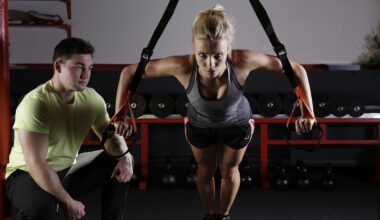
It’s important to establish a structured program when using calisthenics for rehabilitation. An organized routine allows for consistent progress tracking and modifications based on recovery speed and comfort levels. Furthermore, individuals should always include a warm-up and a cool-down session focused on increasing blood flow to the muscles and preventing stiffness. Incorporating stretching exercises is essential to enhance flexibility and range of motion in the injured area. Consider adding banded exercises to the routine, which can help maintain strength without causing strain. Resistance bands provide adjustable levels of difficulty and are particularly beneficial when beginning rehabilitation exercises. A periodic review with a healthcare professional ensures that the rehabilitation plan stays effective and aligns with recovery goals. As strength increases, practitioners can gradually introduce more advanced calisthenics movements like plyometric exercises, which are beneficial for returning to sports performance or other physical activities. By maintaining this gradual progression, individuals can build resilience in their muscles and joints, fostering confidence during physical activities. These principles set a solid framework for successful rehabilitation through calisthenics.
Key Calisthenics Exercises
Incorporating specific calisthenics exercises into a rehabilitation program can greatly enhance recovery. For instance, squats are excellent for building strength in the quadriceps and glutes, which support the knees. Performing wall sits can help strengthen the same areas while minimizing the risk of strain. Additionally, straight-leg raises are valuable for safely strengthening the hip flexors and quadriceps without placing added pressure on the knee. Lunges also promote strength, stability, and coordination, allowing for gentle, controlled movements that mimic daily activities. Step-ups can benefit those recovering from lower limb injuries as they emphasize gradual weight transfer, crucial for rebuilding confidence in the limb. However, it is always essential to ensure proper form during each movement to avoid risking further injury. Incorporating an assortment of exercises can keep the routine engaging and motivate individuals to stay committed. Moreover, including balance-focused activities such as single-leg stands can enhance proprioception and overall stability. The combination of strength, flexibility, and balance training allows for a comprehensive approach to rehabilitation that maximizes the recovery process.
Progression is vital in any rehabilitation program using calisthenics. The aim is to gradually challenge the body while minimizing the risk of exacerbating the injury. One effective approach is the principle of progressive overload, where individuals increase the intensity or complexity of exercises over time. For example, once basic squats are mastered, one might progress to elevated squats or adding resistance bands for increased difficulty. Monitoring pain and discomfort levels is crucial during this phase, as it serves as a guide for adjusting exercise intensity. It’s also important to incorporate rest days in the program to allow the body ample time to recuperate. Recovery is just as critical as the exercises, ensuring the body can repair and strengthen the affected areas. Following a successful recovery management plan can promote a successful return to everyday activities and sports. Establishing realistic goals over time will keep individuals motivated as they see improvements and gain confidence. Ultimately, a gradual and strategic approach caters to the long-term health and well-being of those recovering from injuries, facilitating a smoother transition into normal physical activities.
Listening to Your Body
Listening to your body during rehabilitation is a key component of success. Everyone’s recovery processes differ, and individuals may experience fluctuations in strength and stamina. Therefore, it is beneficial to stay in tune with how your body feels during and after exercising. If pain arises during a particular movement, it’s essential to stop and reassess the form, intensity, or even the exercise itself. Altering or modifying exercises is completely acceptable, focusing on comfort and ensuring safety throughout the healing process. Documenting progress in a journal provides individuals with insight into how their body adapts to the exercises. Recording pain levels and ease of movement can help identify patterns and trigger points. This act of reflection assists individuals in making informed decisions about progressing through their rehabilitation plan. Moreover, including relaxation techniques such as deep breathing or meditation can help alleviate stress during the recovery process. Emphasizing mental well-being in tandem with physical therapy enhances the overall rehabilitation experience, promoting a more holistic approach. Mental resilience is equally fundamental to a successful recovery, leading to better outcomes.
Returning to sports or vigorous activities after rehabilitation is a significant milestone. However, it’s essential to approach this transition with care and mindfulness to ensure a smooth reintegration process. After completing a structured calisthenics rehabilitation program, individuals may find themselves eager to jump back into their favorite activities. However, gradual reintroduction is critical to avoid relapse or new injuries. Gradually increasing the frequency and intensity of workouts allows the body to adapt effectively. Incorporating skills and drills specific to the sport or activity being pursued is recommended as well. This practice prepares the body for conditions it will face during physical competitions. Individuals should also engage in cross-training activities to enhance overall fitness and promote diverse muscle use. Continuing calisthenics exercises can serve as a strong foundation to rebuild stamina and endurance. Furthermore, focusing on maintaining good nutrition and hydration during this period supports recovery and performance. Parents and coaches should also encourage a supportive environment, motivating individuals to maintain a balanced approach to training and rest. With careful guidance, individuals can effectively return to sports while prioritizing their health.