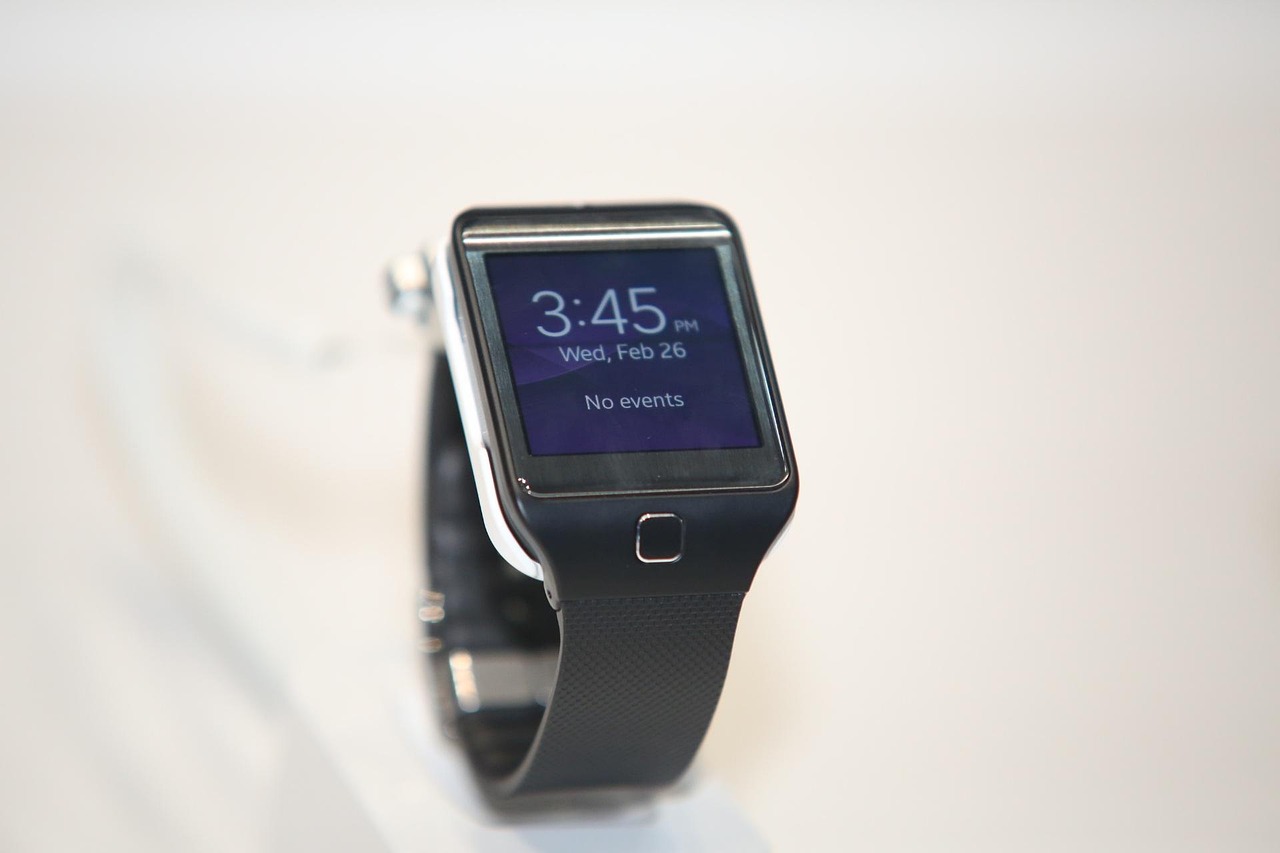

Wearable Compatibility Challenges and How to Overcome Them with Apps
The integration of fitness apps with wearables has revolutionized the way we approach health and fitness. However, challenges remain. Different devices have unique operating systems, which can cause compatibility issues. For instance, while some wearables may track heart rates effectively, others might struggle with data accuracy. Also, poor synchronization between app and device can lead to frustrating user experiences. To combat these issues, developers need to prioritize universal compatibility during the design process. Evaluating communication protocols and ensuring robust data management practices is critical. Another hurdle is an array of fitness metrics; not all wearables measure similarly. Some can track sleep quality, while others focus solely on step counts. This variation can confuse users trying to consolidate their health data into one app. With focused development and rigorous testing, compatibility issues can reduce significantly. Investing in versatile software frameworks that facilitate data sharing could enhance user experience. Ultimately, fostering collaboration between wearable manufacturers and app developers will lead to better integration and functionality. Educating users about device differences and interfaces can also improve overall satisfaction and performance for all parties involved.
Another significant challenge in integrating fitness apps with wearables involves ensuring user privacy and data security. With an increasing number of fitness devices collecting vast amounts of personal data, the risks become more pronounced. Users often remain unaware of how their information is being shared, leading to potential data breaches. Developers must implement stringent security measures, such as encryption, to safeguard sensitive information. Additionally, transparent data policies should be in place to inform users about data usage. Companies need to comply with global privacy regulations, like GDPR, to maintain consumer trust and avoid hefty fines. Regular updates and maintenance are crucial for addressing vulnerabilities, as cyber threats continually evolve. Users should be encouraged to understand their privacy settings actively and filter data sharing options. Education campaigns can help demystify privacy settings, promoting better user engagement. Over time, this foundational knowledge will empower users to make informed decisions regarding their data. Alongside robust security practices, fostering a culture of transparency can enhance users’ willingness to share their fitness data. As trust builds, a more interconnected ecosystem will emerge, enabling more effective integration of wearables and fitness applications.
Technical Compatibility and Interoperability
Technical compatibility poses a major challenge in the realm of fitness app and wearable integration. Variations in hardware and software capabilities can hinder seamless functionality between different devices. For instance, fragmentation across operating systems like iOS and Android can limit an app’s reach and affect user experience. Wearables may not efficiently process data or communicate with apps if they operate on incompatible platforms. Developers should focus on adopting common standards and protocols that promote seamless interoperability. Implementing solutions such as APIs can facilitate smooth data exchanges between devices. Developers need to engage in thorough beta testing with various wearables to identify unforeseen conflicts and limitations. Feedback from early users is invaluable; it can reveal significant issues that need addressing before broader releases. Consulting with industry standards organizations can also ensure broader compatibility across platforms. Utilizing modern software architecture, such as microservices, can enhance flexibility and simplify integration. Engaging in partnerships with established tech companies can significantly ease potential roadblocks. Prioritizing these collaborative approaches will ensure a more unified ecosystem for wearable technology and fitness applications, ultimately leading to a smoother user experience.
Furthermore, user experience can significantly impact the adoption of fitness apps in conjunction with wearables. Even if an app boasts advanced features, it might not gain traction if it lacks an intuitive design. The learning curve can deter new users from fully utilizing the technology available. Thus, focusing on user-centric design is fundamental in overcoming such integration challenges. Conducting usability testing and gathering feedback during the development process helps developers refine app interfaces. Clear navigation, easy access to essential data, and engaging visuals can increase user satisfaction. Offering personalized features based on user preferences allows individuals to tailor their fitness journeys. Additionally, integrating social sharing tools can include friends and family, enhancing motivation and accountability. Interactive elements, such as gamification, can encourage habitual app usage. Collaborating with fitness professionals when developing content can ensure that suggestions are based on best practices and current trends. Continuous improvement based on user feedback creates a cycle of engagement that can amplify the app’s effectiveness. An enjoyable user experience can ultimately help bridge the gap between fitness wearables and their corresponding applications, enhancing overall usability and reach.
Data Analysis and Feedback Mechanisms
Data analysis is crucial when integrating fitness apps and wearables, as it informs users about their performance and progress. However, incompatible data formats or transmission errors can lead to incorrect interpretations. To address these challenges, developers must implement standardized data reporting metrics across diverse platforms. Consequently, users can easily compare insights from wearables and apps. Providing clear visualizations of fitness data, such as graphs and charts, helps users grasp their progress over time. Onboarding users and educating them about interpreting data ensures they maximize the benefits of their fitness devices. Regularly updating algorithms to analyze what users find most useful enhances app relevance. Developers should also consider how to provide timely feedback, encouraging behavior changes or prompts based on user activity. Incorporating machine learning can help personalize insights and recommendations. Additionally, allowing user input can identify their fitness goals or preferences, thus tailoring the app experience. Feedback mechanisms, like surveys, should provide opportunities for users to voice their needs. Ultimately, analyzing user feedback and performance data can lead to a better understanding of device integration challenges, fostering improved health outcomes.
Moreover, continuous support and customer service play vital roles in successful fitness app and wearable integration. Users often encounter various issues, whether troubleshooting sync problems, questions on features, or missing data points. Having accessible support channels ensures users feel valued and can address any concerns promptly. Developers should establish comprehensive FAQs and help centers, along with responsive customer service teams. Furthermore, providing tutorial videos can reassure users about utilizing app capabilities maximally. Regular communication, including newsletters highlighting app updates and feature integrations, keeps users engaged and informed. Space for user forums where current challenges or solutions can be exchanged can enhance community support. Additionally, implementing chatbots can provide instant answers to basic queries, reducing the workload on support staff. Ensuring a responsive support system can prevent users from abandoning their devices or apps due to frustration. Regularly evaluating user feedback on support channels will ensure continuous improvement in service quality. Ultimately, investing in comprehensive support reinforces brand loyalty and user satisfaction while addressing the issues associated with fitness app and device integration.
Future Trends in Wearable Technology
Looking ahead, the future of wearable technology promises exciting developments that will enhance fitness app integrations. Advancements in sensors and AI technology will allow for more precise tracking of health metrics and performance. For instance, wearables may soon provide real-time feedback during workouts, helping users adjust their efforts as needed. Moreover, as augmented and virtual reality gain traction in fitness, seamless integration of wearables with immersive experiences may become commonplace. Developers will need to stay ahead of trends to guarantee that their apps support these innovations. Enhanced connectivity, such as the rise of 5G technology, will enable faster data transmission between devices and apps, improving overall user experiences. Furthermore, personalized health insights through deep learning algorithms will reshape how users engage with fitness applications. As wearables become more sophisticated, privacy measures must also advance to protect user data. The collaboration between tech firms to create adaptive technologies will likely drive growth in this market. Success in the future will hinge on continuous innovation, user feedback, and adherence to ethical data practices. Thus, understanding emerging trends will be crucial for developers to create an ecosystem that resonates with users.
Ultimately, overcoming wearable compatibility challenges through fitness app integration is pivotal for innovation in the health and wellness space. Addressing concerns related to user privacy, technical compatibility, user experience, data analysis, and customer support will pave the way for better integration. Continuous advancements in wearable technology and app development will allow users to achieve their fitness goals more effectively. Engaging actively with users and incorporating their feedback strengthens integration efforts, ensuring that products meet real needs. Future developments, including AI-driven insights, enhanced connectivity, and emerging trends in virtual fitness, will further revolutionize the industry. As wearables become ubiquitous, the emphasis will shift toward seamless interoperability and user satisfaction. Collaborative approaches among app developers, manufacturers, and fitness professionals will enhance overall ecosystem migration. Building trust through transparency and addressing security concerns directly will be vital. In this evolving landscape, strategic foresight and adaptability will distinguish successful integrations from those that falter. Ultimately, fostering a user-centered ecosystem will bridge the gap between fitness wearables and applications, empowering individuals to engage better and optimize their health journeys. The future is promising, as innovation continues to shape the landscape of fitness technology.