
The Importance of Mental Focus in Competitive Powerlifting
In competitive powerlifting, the role of mental focus is often underrated, yet it can make a significant difference in performance and outcomes. Athletes must hone their ability to concentrate, as the discipline demands both physical prowess and mental resilience. When lifters stand before the bar, they face not just the weight but also the considerable mental challenge of executing their lift with precision. This concentration is vital; any lapse could lead to failure or injury. Enhancing mental focus involves techniques that help athletes handle the psychological pressures of the competition. Visualization and controlled breathing can create a unique pre-lift routine that primes the mind. Athletes often envision successful lifts, which reinforces confidence and reduces anxiety. Furthermore, understanding one’s own mental state can lead to more effective strategies in training and competition. By recognizing how emotions affect performance, powerlifters can implement new tactics to ensure a strong mental game. The connection between mind and body is vital, and embracing mental focus can contribute to achieving personal bests and greater success in powerlifting competitions. Strong mental focus is the secret weapon no athlete can afford to overlook.
Powerlifting involves three distinct lifts: squat, bench press, and deadlift, each requiring extreme focus. In each lift, intimidation can stem from the weight itself, but a well-prepared mind can mitigate these pressures. Research indicates that athletes who cultivate mental strength can perform better under stress. They can manage distractions, stay in the zone, and maintain their course of action even when the environment becomes overwhelming. One useful method is the use of affirmations. By repeating positive self-statements, lifters can create a mindset that promotes confidence and success. Every listen to their inner voice is crucial; harsh self-critique can hinder performance. Developing a pre-lift ritual helps manage both body and mind, enhancing readiness. It can consist of physical stretches paired with mental visualization focusing on technique and lift completion. Powerlifting is not just about brute strength; mental discipline is necessary to overcome both physical and emotional barriers. The ability to stay centered, calm, and focused is what separates elite lifters from the rest. A unique blend of preparation and mental fortitude can take athletes to new heights. In essence, mental preparation is as essential as physical conditioning.
Mental Resilience in the Face of Adversity
Mental resilience is vital in competitive powerlifting, especially when things do not go as planned. Athletes must often face challenges such as failed lifts, physical pain, and psychological pressure. Learning how to bounce back from setbacks will develop mental resilience, allowing competitors to maintain focus and motivation. When an athlete encounters a missed lift, the emotional response can range from frustration to disappointment. However, embracing a growth mindset can transform adversity into opportunity. They learn from mistakes and analyze what went wrong, returning to the platform with lessons learned. Visualization plays a crucial role in overcoming these adversities. Athletes can envision overcoming difficulties by imagining themselves lifting heavier weights successfully. This mental preparation strengthens not just the body but also the mind. Techniques like mindfulness can also help lift mental fog, clearing thoughts and feelings that may serve as distractions. Adversity is unavoidable in powerlifting but creating effective coping mechanisms will prepare lifting warriors. Tapping into intrinsic motivation will be the energy powering the mental battle. This approach fosters a winning perspective that will yield long-term improvements.
Understanding the importance of routine cannot be overstated; it forms the backbone of any athlete’s successful preparation. A comprehensive routine ensures that both body and mind are aligned when approaching lifts. Athletes should develop a consistent warm-up that includes physical and mental preparation. This might involve specific physical exercises combined with focused breathing techniques and mental visualization. Completing a ritual, especially before significant lifts, enhances one’s mental focus. Powerlifters can reduce anxiety and find consistency when they make their routines habitual. Practicing focus techniques not only in the gym but also in the competitions will solidify this approach. A powerlifter may find that speaking to a mental coach is beneficial in constructing the perfect pre-lift routine that suits their personality. Regular feedback, encouragement, and adjustment of mental techniques create a personalized approach that maximizes performance. In essence, a clear, individualized routine enables the athlete to approach each lift with confidence and concentration. A well-defined routine can calm nerves, leading to improved lifts and better overall performance. This unyielding focus can significantly affect results in competitive settings.
The Psychological Impact of Competition
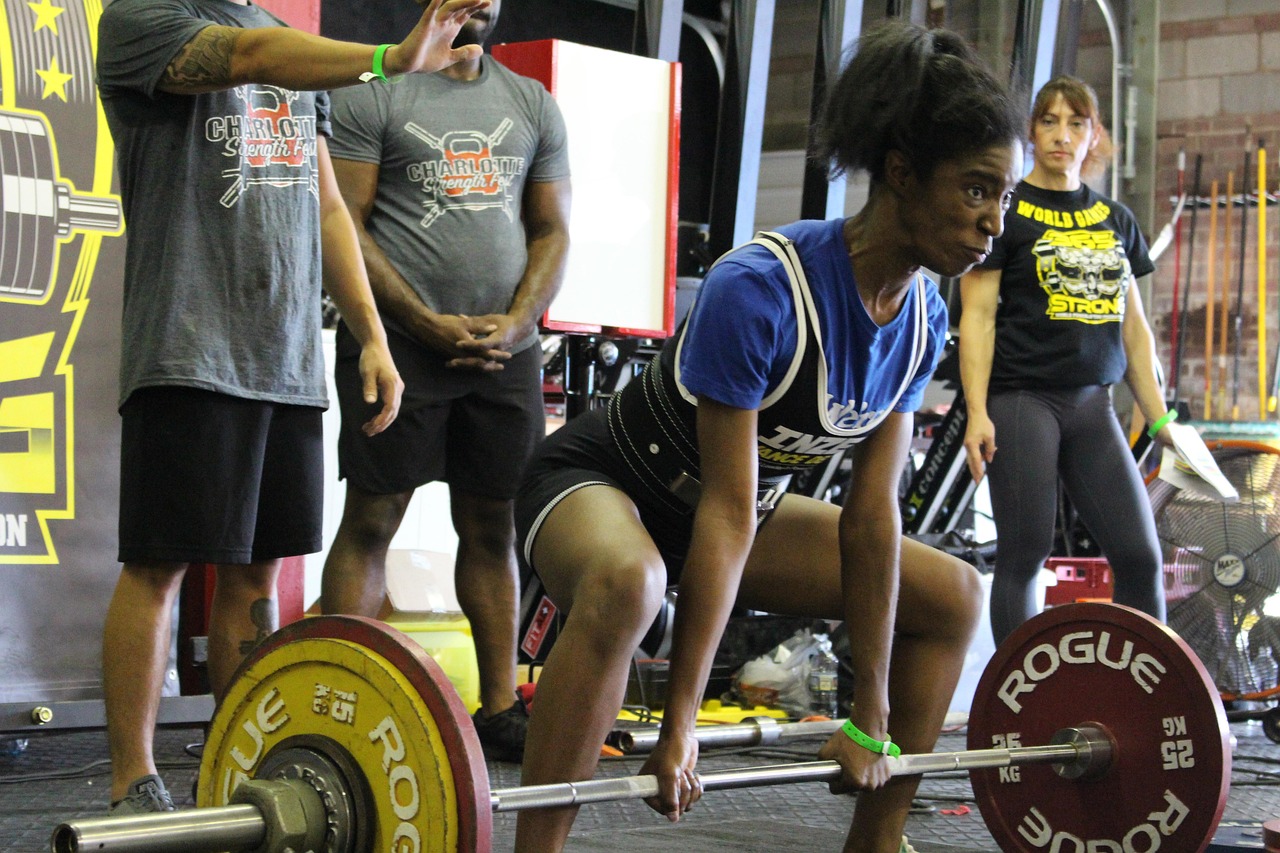
The psychological environment of competition is a significant aspect that influences performance. When an athlete lifts in a competitive setting, environmental factors come into play, including noise and the presence of an audience. These factors can lead to heightened stress and anxiety, which can, in turn, affect focus. Learning to thrive in chaotic environments is a skill developed through rigorous training and experience. Athletes should expose themselves to competitive scenarios during practice to build this resilience. By simulating competition settings, lifters enhance their ability to concentrate amidst distractions. Mental conditioning exercises, including breathing techniques, can be beneficial. They help to regulate emotions, allowing for better focus during intense moments. Additionally, strategic planning for potential distractions can help athletes prepare for the real competition. Visualization also plays a role here; it allows lifters to mentally simulate the competition environment, reinforcing that mastery. Understanding the impact of competition allows powerlifters to harness excitement positively rather than fearfully. This method establishes a robust mindset that prepares athletes to face challenges with confidence and success.
The significance of mental focus in powerlifting competitions cannot be overlooked because of its impact on performance metrics. An athlete’s ability to concentrate leads directly to achievements and outcomes. When mental focus coordinates efficiently with technical execution, the result is often improved lifting capacity. Researchers have identified the connection between cognitive processes and motor performance, affirming that mental state can affect physical outcomes. Strategies that improve focus can directly lead to lifting heavier loads and achieving personal bests. Competitors often use music as an effective psychological tool to increase focus and arousal levels. Tailored playlists can enhance motivation while fostering an environment of concentration that is experienced through acoustic stimulation. Furthermore, developing a strategy for decision-making while lifting can bolster performance. Lifters need to learn to trust their instincts and follow through with that mental strategy. Engaging in discussions about previous experiences and strategies can benefit lifters during training and competitions. Approaching lifts with a focused strategy will yield more consistent results. In conclusion, mental focus is essential for any powerlifter aiming for competitive success.
Conclusion: A Unified Approach to Success
Combining physical strength with mental acuity creates a profound advantage in powerlifting competitions. It’s essential for athletes to understand that success is not merely about physical capabilities but also about mental fortitude. The synergy between mind and body plays a vital role in achieving formidable lifts. Through focused training, mental resilience, and developing a structured routine, powerlifters can enhance their performance significantly. Whether through visualization techniques, mindfulness practices, or inspiration from positive self-affirmations, all these methods foster the mental discipline required to excel. At the same time, embracing failure as a part of the journey and pivoting through adversity can lead to profound personal growth. Understanding and integrating mental conditioning into training regimens will prepare athletes not just for competitions but for life as well. Athletes should not shy away from seeking support, whether from mental health professionals or sports psychologists. With the right mindset, any powerlifter can maximize performance, contributing to their overall success in the sport. Ultimately, recognizing the importance of mental focus will lead to breakthroughs in lifting capability and an enriched competitive experience.
Powerlifting, a sport commonly seen as a raw test of strength, has its foundation significantly influenced by psychological preparation. The interdependence between mental focus and physical ability is crucial in this world where athletes face daunting weights. Lifters often expend immense effort into perfecting their technique and building their physical form, yet the mental aspect is equally important, if not more so. A powerlifter’s mindset can determine the success of a lift more than simply physical strength. Emotional control, determination, and focus become necessary ingredients in reaching one’s true potential. Preparing for the mental challenges involved in powerlifting will ultimately harness the best performance. Powerful mental strategies, developed over time, can allow athletes to face anxiety effectively and maintain composure during competition. Creating a welcoming environment to explore mental strategies provides a crucial foundation for competitors. Additionally, the power of community support should never be underestimated, as it impacts both the emotional wellbeing and motivation of athletes. Finding that camaraderie can fortify both mental and physical preparation leading up to lifting. Therefore, powerlifters must prioritize mental focus as a vital aspect of their training regimen.