
Jump Rope Techniques to Enhance Boxing Fitness
Jump roping significantly enhances boxing fitness by improving cardiovascular health and coordination. It is one of the best workouts for developing overall fitness levels, increasing stamina, burning calories, and honing footwork. The rhythmic nature of jump rope can benefit boxers looking to improve reaction times and agility in the ring. Boxers can incorporate jump rope workouts into their training routines by varying speed and techniques during practice. Combining single-leg hops, double unders, and criss-cross techniques can work multiple muscle groups, aligning with boxing-specific movements. When beginners start with jump rope, maintaining proper technique is essential to prevent injuries. Elevated heart rate during jump rope sessions ensures effective calorie burning, allowing individuals to lose weight while building strength and endurance. Adding these jumps to a boxing regimen also serves as a warm-up routine before sparring or heavy bag workouts. Practicing for 15-20 minutes can yield substantial fitness gains that translate into improved performance. Consistency with jump rope exercises allows boxers to enhance their agility, footwork, and overall boxing fitness, thus establishing a solid foundational skill! Regular training enables mastery, great for fighters serious about improving their conditioning.
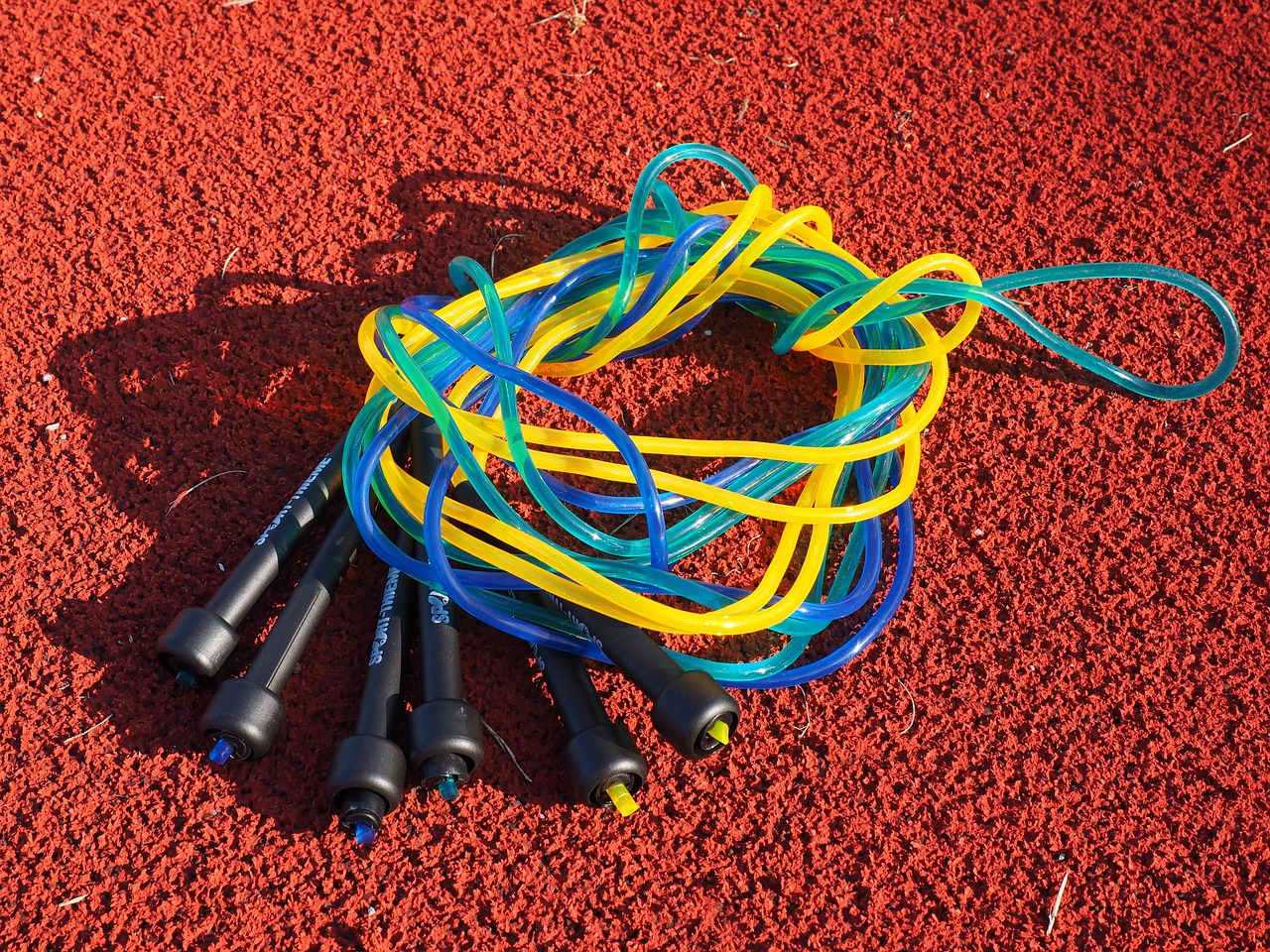
When starting to jump rope, warming up is crucial. A proper warm-up helps prevent injuries and prepares the body for intense activity. Begin with dynamic stretches focusing on the legs, arms, and core while engaging in light aerobic activities. After completing the warm-up, choose the right jump rope, a fundamental aspect of effective jump rope training. A quality rope typically suited for boxing should be lightweight and easily adjustable. Ropes made from PVC or lightweight nylon are popular choices among boxers. Focus on maintaining a proper jumping rhythm throughout the workout, keeping feet close to the ground while incorporating variations in jumps. As a boxer, concentrate on developing agility and speed, which can be effectively targeted by engaging in interval training techniques and switching jump styles. Gradually increasing the duration of your jump rope sessions will help build endurance and improve cardiovascular health. Consider setting goals or tracking progress to remain motivated. Emphasizing consistency will lead to better jump rope skills and overall boxing performance. Over time, abilities to overcome fatigue while maintaining technique and coordination will surpass expectations, and these skills become essential for success in the ring.
Types of Jump Rope Techniques
Boxers can benefit from a variety of jump rope techniques that enhance overall fitness. Some popular techniques include the basic two-foot jump, alternating feet, side swings, and double unders. The two-foot jump is great for beginners, providing a solid foundation for further techniques. Alternating feet mimics running and builds agility, useful for quick movement in the ring. Side swings can improve arm coordination and upper body strength while enhancing core stability. Double unders involve rotating the rope twice under the feet in one jump, building explosive power and speed, perfect for enhancing boxing performance. Practicing these techniques in a circuit can provide effective high-intensity training sessions. Aim to combine them in alternating intervals to boost stamina over time. Rotating through various techniques not only keeps workouts fresh and engaging but also targets different muscle groups. This variety contributes to improving reaction times and maintaining overall boxing fitness. For boxers serious about conditioning, dedicated jump rope training can distinguish them from competitors. Setting aside time within their training schedule for focused jump rope sessions is essential for achieving their desired goals efficiently.
To further enhance jump rope workouts, incorporating footwork drills helps reinforce boxing fundamentals. For example, practicing pivots while jumping aids in developing essential movements necessary for avoiding punches in the ring. As the boxer navigates footwork while skipping rope, they learn to maintain balance and coordinate upper and lower body movements simultaneously. This dual focus helps improve fight performance when reacting to opponents quickly. Additionally, mixing jump rope techniques with shadow boxing techniques can provide complete conditioning. Integrating shadow boxing ensures that movements with the jump rope complement boxers’ strikes. During this workout combination, boxers can visualize their fighting stances while maintaining rhythm through jumping. This not only maximizes cardiovascular benefits but also ensures that practicing is strategic. Moreover, encouraging conditioning does not need to be monotonous. Experimenting with music or counting sets allows enhancing enjoyment during jump rope drills. Creating a positive atmosphere while working out will cultivate a stronger commitment to improved fitness. Ultimately, successful integration of these workouts into a boxing routine will foster long-lasting athletic development, allowing boxers to shine in competition.
Assessing Your Progress
Tracking progress in jump rope techniques will help boxers identify areas for improvement. Keeping a training log that outlines the duration of workouts, jump techniques practiced, and perceived exertion levels can clearly provide insights. Regularly assessing performance also promotes goal-setting, allowing for increased accountability. Frequent evaluations will reveal improvements in stamina, speed, and overall fitness levels as time elapses. Many boxers might want to set specific targets, such as mastering double unders or increasing the duration of workouts without resting. Trusting the training process is crucial when building skills, as mastering jump rope techniques takes time and consistency. Another effective technique to assess your progress is timing your workouts by incorporating timers or fitness apps. Utilizing technology helps quantify performance and inspires continued hard work. It fosters a competitive spirit within oneself. Furthermore, recording milestones along the way, such as perfecting specific techniques or achieving extended training durations, serves as motivation. Documenting these accomplishments encourages further commitment while fostering positive reinforcement, helping boxers stay focused on continued improvements toward optimal boxing fitness on their journey.
Once boxers have built a solid foundation with jump rope techniques, focusing on endurance workouts can further increase boxing fitness. Endurance workouts consist of longer jump rope sessions at varied intensities. Integrating different techniques during the duration increases difficulty while reinforcing coordination. For example, boxers can set intervals of 30 seconds of double unders followed by 30 seconds of basic jumping for several rounds. Doing this consistently varies intensity and promotes conditioning. Practicing longer sessions, such as 10-15 minutes without pausing, boosts cardiovascular endurance, which is critical for boxing longevity. In addition, applying various tempos will enhance rhythm and overall jumping efficiency. Boxers should experiment with alternating fast and slow techniques to develop adaptability. Remember to monitor your heart rate during these endurance workouts, guiding your training effectiveness. Maintaining an optimal heart rate allows boxers to build stamina effectively. Additionally, consider incorporating proper hydration and nutrition to aid recovery during intensive training periods. Incorporating jump rope endurance workouts into your boxing practice will yield exceptional fitness rewards through perseverance and hard work while augmenting performance levels!
Safety Tips for Jump Rope Training
Ensuring safety during jump rope training is paramount for boxers. Utilizing the proper footwear is one of the keys to minimizing injuries while maximizing performance. Choosing supportive athletic shoes with adequate cushioning minimizes stress on joints. Additionally, selecting jump rope with proper length that fits the boxer’s height allows optimal technique and performance. Boxers must also pay attention to their jumping surface. A jump mat or flat surface will provide the best results while protecting joints. Likewise, practicing on a softer surface reduces the risk of falls or injuries. Listening to your body is equally essential. Overtraining may lead to exhaustion, affecting performance adversely. Incorporate rest days and allow recovery time between intense training sessions to prevent injury and burnout. Stretching and cooling down after workouts help maintain muscle elasticity and promote overall recovery. Furthermore, be aware of surroundings while jump roping, avoiding potential hazards or obstacles that may lead to accidents. Remember that maintaining proper form throughout jump rope training is vital to ensure optimal conditioning. Employing these safety tips will allow boxers to enjoy all the benefits of jump rope workouts effectively!
Finally, integrating jump rope techniques into boxing routines creates a balanced training program, blending aerobic and anaerobic workouts effectively. Boxers can expect to enhance cardio fitness, agility, coordination, and overall strength with engaging workouts tailored to their unique requirements. Establishing a consistent training schedule that incorporates jump rope sessions provides momentum in skill development, leading to greater confidence during fights. Remember, the goal is to create a seamless connection between jumping rope and boxing techniques, reinforcing muscle memory through repetitive practice. Increased proficiency on the jump rope translates to heightened performance in the ring, allowing boxers to react instinctively to combat situations. Lastly, join boxing groups or partner up with training buddies to share knowledge, experiences, and techniques while jump roping. Encouraging each other creates a supportive environment that fosters personal growth. Collaborating with peers allows boxers to push themselves and share valuable tips, benefiting all participants. Ultimately, the dedication to jump rope training can significantly enhance boxing fitness and skills, which is directly reflected in long-term success and personal growth in the sport!