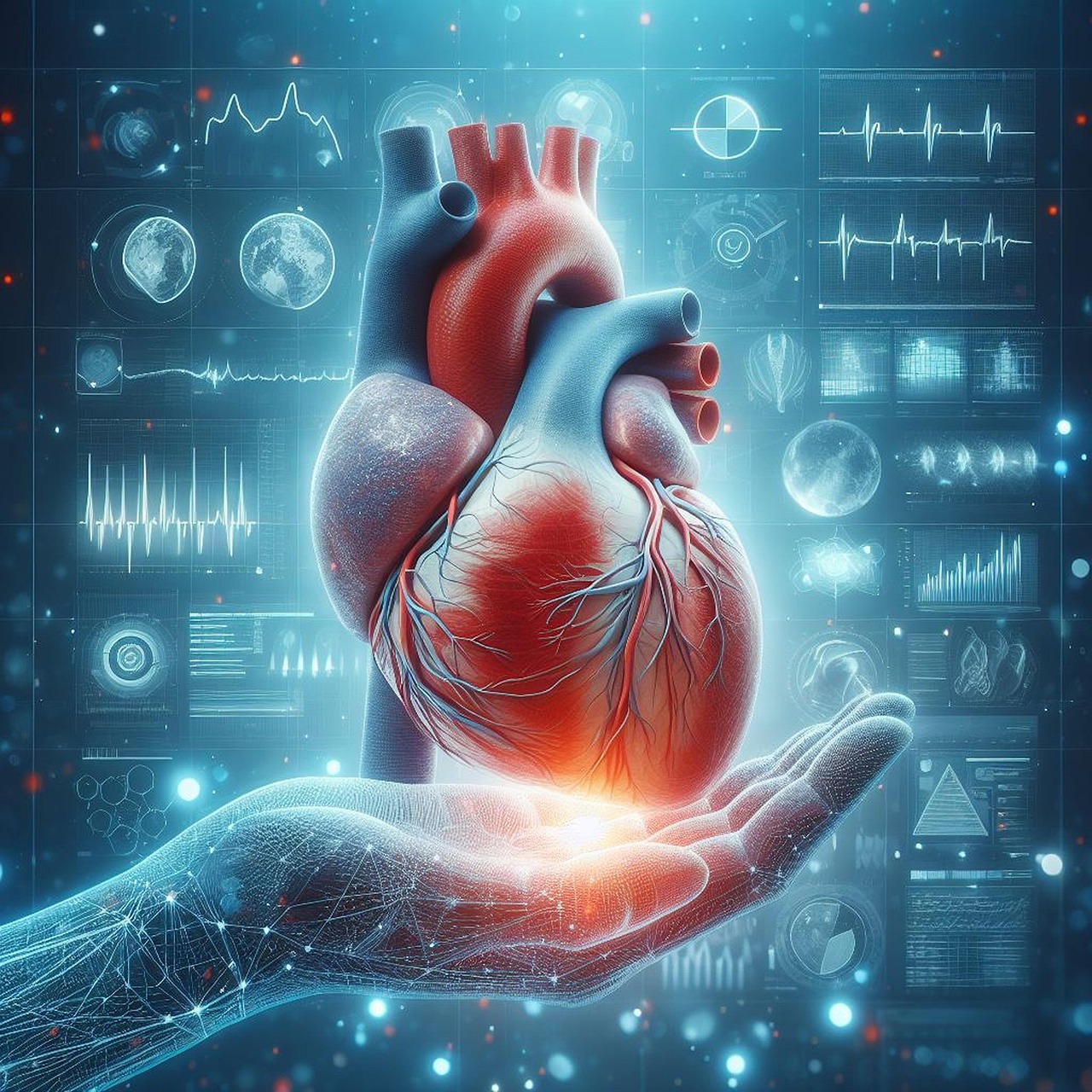

The Science Behind Exercise and Its Impact on Cardiovascular Health
Understanding the relationship between exercise and cardiovascular health is crucial for maintaining a healthy lifestyle. Regular physical activity strengthens the heart, improving its efficiency and promoting better blood circulation. This leads to a reduced risk of cardiovascular diseases such as hypertension, coronary artery disease, and stroke. The American Heart Association emphasizes the importance of incorporating at least 150 minutes of moderate-intensity aerobic exercise weekly. Activities like brisk walking, swimming, or cycling can significantly improve heart health. Strength training, at least twice a week, also enhances cardiovascular endurance. Besides, exercise helps to manage weight, which is vital for reducing stress on the heart. Moreover, engaging in physical activity allows better management of cholesterol levels, by raising high-density lipoprotein (HDL) and lowering low-density lipoprotein (LDL). Thus, regular exercise serves to prevent various heart ailments. Studies also show that exercise impacts our mood positively, lowering stress and reducing anxiety. The holistic benefits of physical activity extend beyond simply lowering blood pressure; they foster a lifestyle that supports cardiovascular and overall health. Embracing an active lifestyle can truly transform your well-being.
Physiological Effects of Exercise on the Heart
The physiological effects of exercise on the human heart are profound and wide-ranging. Regular physical activity improves cardiac output by increasing the heart’s capacity to pump blood. A fitter heart can utilize oxygen more efficiently, thereby reducing the effort needed at rest and during activity. Over time, adaptations occur, such as an increase in ventricular size and enhanced myocardial contractility. Moreover, regular exercise promotes a favorable vascular structure, improving arterial health and reducing stiffness. Consequently, these adaptations lead to lower resting heart rates and improved recovery times from vigorous activities. Additionally, exercise can reverse some of the detriments caused by a sedentary lifestyle, reducing inflammation and making arteries more elastic. Improving endothelial function is another significant benefit, as it enhances the ability of blood vessels to dilate, improving overall circulation. Exercise also plays a role in regulating blood pressure, often resulting in long-term reductions. Lastly, as mentioned earlier, these cardiovascular improvements strengthen the heart against disease and facilitate better performance in daily activities. Thus, prioritizing cardiovascular fitness through regular exercise is essential for long-term health and well-being.
Incorporating physical activity into daily routines offers various advantages, notably reducing the risk of cardiovascular disease. Engaging in aerobic exercises, such as jogging or cycling, strengthens the heart and enhances circulatory efficiency, promoting blood flow throughout the body. These activities stimulate the release of endorphins, often referred to as “feel-good hormones,” which alleviate stress and improve overall mood. Notably, consistent exercise promotes weight management, which is crucial for regulating blood pressure and cholesterol levels. With regular physical activity, individuals can effectively lower their LDL cholesterol and raise HDL cholesterol, contributing to a healthier lipid profile. Another significant advantage is the improvement in insulin sensitivity, which helps lower the risk of developing diabetes—a known risk factor for heart disease. Moreover, incorporating strength training enhances muscle mass, further contributing to metabolic health. Taking part in group exercises or sports can also foster social bonds and motivation, encouraging more consistent participation in physical activity. All of these factors compound to create a comprehensive approach to cardiovascular health that not only protects the heart but also enriches an individual’s overall quality of life through enhanced physical fitness and emotional well-being.
Monitoring Exercise Intensity and Duration
To achieve optimal cardiovascular benefits, monitoring exercise intensity and duration is essential. Tools like heart rate monitors or fitness trackers can help individuals gauge their effort levels, ensuring that they are exercising within the appropriate heart rate zones. Generally, moderate-intensity exercises should elevate heart rates to 50-70% of the maximum heart rate, while vigorous-intensity activities should range between 70-85%. Duration is equally important; individuals should aim for at least 30 minutes of such activity most days of the week. Furthermore, incorporating a mix of aerobic and muscle-strengthening activities can enhance results. Understanding one’s fitness level is crucial to maintaining an effective exercise regimen without the risk of injury. It’s beneficial to gradually progress the intensity and duration of workouts, building endurance and strength over time. Beginners should ease into exercise routines, gradually increasing duration and intensity as their fitness improves. Setting realistic and measurable goals can maintain motivation and encourage consistency in exercise habits. Over time, individuals will notice significant health improvements, feeling more energetic and reducing susceptibility to chronic cardiovascular conditions. Thus, intentional planning of exercise duration and intensity will pay off substantially for heart health.
The importance of maintaining consistency in exercise cannot be overstated when it comes to cardiovascular health. Establishing a routine helps reinforce healthy habits, making physical activity a natural part of daily life. Developing a personal exercise schedule can enhance commitment, encouraging participation in various activities over time. Setting aside specific days and times for exercise increases accountability and prioritizes health. Group activities or classes can be favorable, as they create a sense of community and support that reinforces consistency. Moreover, tracking progress via journals or apps can keep individuals motivated to continue, despite life’s distractions. Having fun and enjoyment in physical activities is also vital, as it assures long-term commitment. Finding enjoyable sports or workouts can make the experience fulfilling, while incorporating variety prevents boredom. Adding elements of creativity or social interaction to exercise routines can significantly enhance motivation. Frequent reassessment and modification of goals support ongoing engagement and improvement. Recognizing achievements, no matter how minor, can provide positive reinforcement, nurturing a passion for fitness. Overall, forming a consistent exercise routine is fundamental for approaching lifelong cardiovascular health and heightened overall wellness.
Understanding the Role of Nutrition
Nutrition plays a critical role in enhancing the cardiovascular benefits of exercise. A well-balanced diet, rich in essential nutrients and antioxidants, supports overall health, amplifying the positive effects of regular physical activity. Consuming plenty of fruits and vegetables provides the body with vital vitamins and minerals necessary for optimal functioning. Foods high in fiber can lower cholesterol and promote heart health, while omega-3 fatty acids found in fish help reduce inflammation. Less processed foods, rich in whole grains, lean proteins, and healthy fats contribute profoundly to cardiovascular health. Moreover, hydration is crucial, as staying adequately hydrated directly impacts exercise performance; dehydration can lead to reduced endurance and difficulty in recovery. It is essential to strike the right balance between caloric intake and expenditure, ensuring that enough energy is available for proper workout intensity. Ultimately, rewarding the body with nutritious meals post-workout is important for recovering and replenishing energy stores. Consulting with a nutritionist or a dietitian can further personalize dietary choices to fit individual exercise goals and lifestyles. Making informed nutrition choices alongside physical activity creates a powerful synergy that leads to improved cardiovascular outcomes.
In conclusion, understanding the connection between exercise and cardiovascular health illustrates the significance of a proactive lifestyle. Regular physical activity fosters numerous benefits, including improved heart function, enhanced circulation, and reduced risk of heart disease. By committing to a routine that encompasses both aerobic and strength-training exercises, individuals will experience substantial improvements in overall fitness and heart health. Furthermore, monitoring exercise intensity and integrating a balanced diet enhances the effectiveness of these routines. Measures like hydration, nutrition, and fun activities significantly support lifelong adherence to physical fitness, thereby solidifying a commitment to health. Engaging in regular exercise is not merely about countering the effects of an unhealthy lifestyle; it’s about fostering a genuine appreciation for the body’s performance and resilience. As we invest time into physical activity, we inevitably improve our quality of life, experiencing heightened energy and reduced stress levels. Ultimately, the integration of exercise and tailored nutrition creates a sustainable path towards optimal cardiovascular health. By adopting a heart-healthy lifestyle today, we pave the way for a brighter, healthier tomorrow. Prioritizing exercise and nutrition becomes a lifelong journey, essential for a fulfilling and vibrant life.