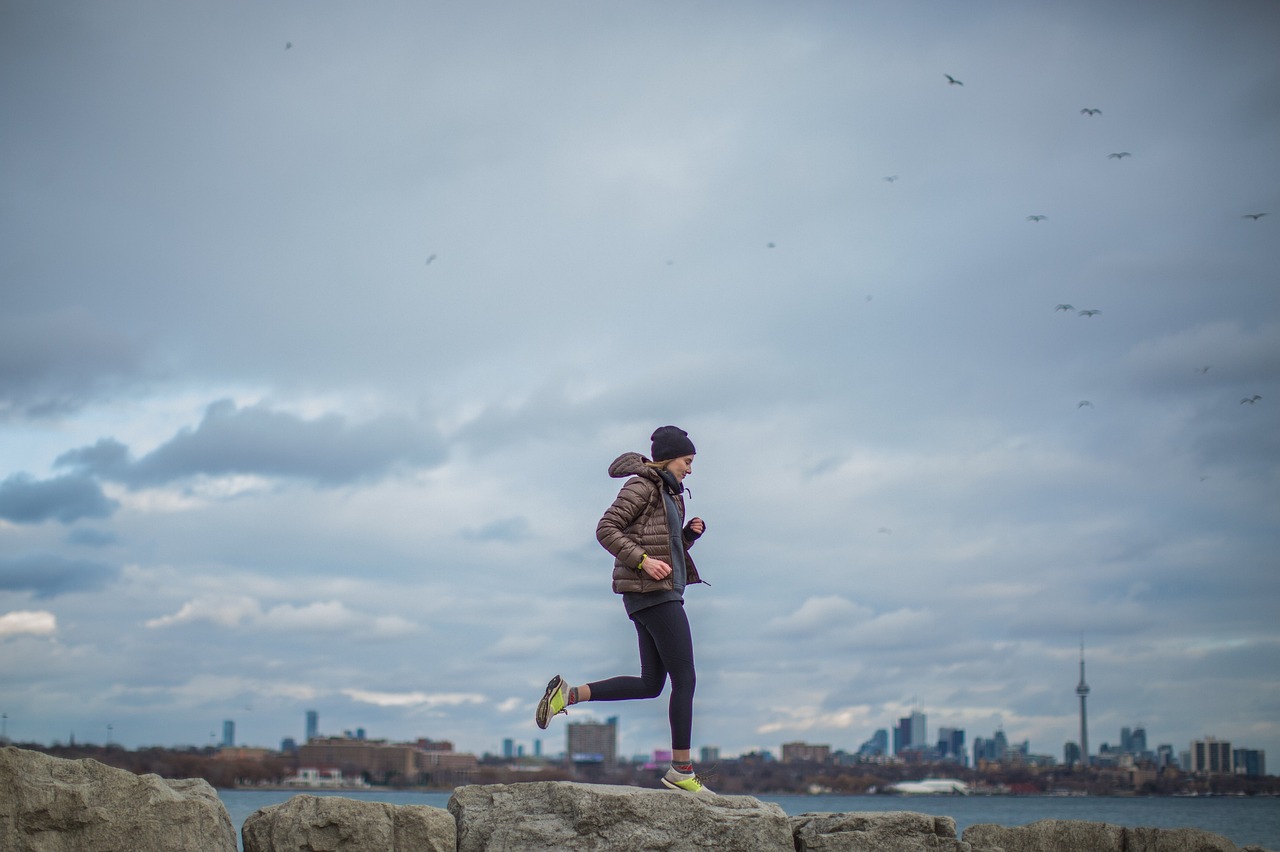

Cold Stress and Its Impact on Joint Mobility During Exercise
Cold stress during exercise presents significant challenges for athletes and fitness enthusiasts. Understanding its effects on joint mobility is essential as it can dramatically influence performance and safety. Individuals might face reduced blood flow to muscles and joints, resulting in stiffness and decreased flexibility. Moreover, muscle contractions can become less effective in cold environments, potentially leading to injuries. To mitigate cold stress effects, a thorough warm-up is crucial. Effective warm-ups increase core temperature and enhance blood circulation, which can improve flexibility. Educating athletes on proper clothing for cold weather is equally important, as layering can help maintain optimal body temperature. Additionally, dynamic stretching routines have been shown to work wonders in elevating joint mobility before intense activity. The choice of exercises should also be adapted according to temperatures. High-impact cardiovascular activities like running can be more strenuous under cold conditions. Ultimately, strategies must be implemented to manage joint stress effectively, ensuring that athletes remain agile and responsive during their workouts even in chilly environments.
Physiological Responses to Cold
The physiological responses to cold stress can have various effects on human performance in exercise. Reduced temperatures lead to vasoconstriction, decreasing blood flow to extremities and consequently impacting joint mobility. As the body’s core temperature drops, muscle stiffness can set in, resulting in decreased power and performance levels. In colder conditions, individuals might experience impaired neuromuscular coordination. This can further hinder an athlete’s agility and reaction time, increasing the risk of injury during physical activities. The cold can also affect the synovial fluid in joints, which plays a significant role in lubricating and nourishing joints. A decrease in synovial fluid can lead to friction between joint surfaces, escalating discomfort during movement. Moreover, the body’s natural response to cold may lead to cramping and spasm in muscles, compounding mobility challenges. While cold stress presents obstacles, strategic training adjustments can counteract these effects. Utilizing appropriate gear and understanding how to warm up in colder climates can preserve joint integrity. The importance of acclimatization to cold weather cannot be understated for athletes looking to maintain mobility while ensuring a safe training regimen.
Importance of Joint Mobility
Maintaining joint mobility is crucial for overall performance and injury prevention, particularly in challenging environmental conditions. Joint mobility refers to the range of motion available in a joint, which directly influences physical capabilities. When joint mobility is compromised, athletes exhibit reduced efficiency during movements, resulting in poor performance outcomes. It becomes imperative for individuals to keep their joints well-lubricated and flexible. Cold stress can restrict this flexibility, leading to slower movements and an increased likelihood of strains or sprains. Emphasizing proper joint care through regular stretching routines and mobility exercises can significantly counteract these negative effects. In addition, incorporating warming strategies can help counteract the tightness in the muscles and surrounding joints caused by lower temperatures. Engaging in pre-activity mobility drills can effectively enhance synovial fluid circulation, thereby improving joint performance. Furthermore, educating athletes about how cold temperatures impact mobility can facilitate better preparation for training and competition. Coaches and trainers must be aware of these dynamics and tailor strategies that put mobility and safety at the forefront of performance enhancement.
Active recovery strategies can also help address joint stiffness following exercise in cold conditions. Utilizing techniques such as gentle stretching, foam rolling, and massage can promote blood flow and release tension in the joints. These recovery exercises allow joints to retain their function while diminishing the adverse impacts of cold. Investing time in post-activity recovery significantly aids in preserving muscle elasticity and flexible joints. Additionally, appropriate nutrition plays an important role in joint health. Consuming anti-inflammatory foods, such as fatty fish or walnuts, can mitigate discomfort. Hydration should not be overlooked, even in colder weather, as it remains essential for maintaining synovial fluid. Proper education on rehydrating during chilly workouts can enhance joint lubrication, consequently easing movement post-exercise. Many athletes can significantly benefit from regular consultation with physiotherapists to develop effective mobility strategies. These professionals can guide tailored exercises and recovery methods specifically designed to address the challenges posed by cold temperature impacts. Having a proactive plan helps ensure athletes stay at peak performance levels while minimizing joint stress during exercise sessions in the cold.
Training Adaptations for Cold Environments
Training adaptations for colder climates can significantly improve joint mobility and overall athletic performance. It’s important for trainers to design programs that specifically account for cold stress effects. Gradually introducing the body to colder environments can enhance its adaptability, promoting better physiological responses over time. Engaging in outdoor training as temperatures drop allows athletes to adjust and build their cold tolerance. Regular exposure bolsters not only psychological toughness but can optimize muscle and joint performance. Additionally, ensuring ample warm-up routines are in place is vital in colder weather. Dynamic movements like high knees, arm circles, and leg swings can effectively elevate heart rate and blood flow to joints. Emphasis should also be on increasing duration and intensity in a controlled manner to prevent injury. Utilizing heat therapy post-training can alleviate any tightness. For joint care, the occasional addition of hot baths or heat packs can be beneficial, working to relax muscles and improve flexibility. Collaborating with sports scientists can provide deeper insights into effective methodologies tailored for cold weather conditions, helping athletes make informed training decisions that keep performance intact.
Practical elements of training in cold temperatures include wearing appropriate clothing and considering footwear. Insulation layers that wick away moisture are essential for preserving warmth while maintaining mobility. Choosing shoes designed for cold weather can also significantly impact joint movement efficiency. Cold-appropriate gear ensures athletes can maintain their performance without sacrificing safety during exercises. Moreover, the consideration of nutritional practices becomes more important in colder conditions. Adequate caloric intake helps maintain energy levels needed for workouts. Consuming foods rich in carbohydrates before exercising may provide the necessary fuel to sustain performance under stress. Furthermore, it is essential to separate indoor and outdoor training as needed. Accessing controlled environments can be beneficial for intensity training while allowing a more ample recovery phase indoors. Ultimately, training adaptations in cold environments should focus on maintaining joint mobility while fostering improvement in strength and agility, prioritizing long-term athlete health. Such strategies contribute to maintaining performance levels essential for athletes competing under cold stress conditions, ensuring they reach their maximum potential in any weather.
Conclusion
The relationship between cold stress and joint mobility during exercise is intricate and multifaceted. Recognizing the negative effects cold temperatures can have on joint movement can help individuals take proactive steps to mitigate risks. A combination of effective warm-up techniques, appropriate gear, and nutritional strategies can significantly contribute to maintaining joint health. As athletes learn to adapt to colder environments through gradual exposure, they fortify their performance capabilities. Furthermore, promoting practices that emphasize joint care, recovery routines, and individualized training plans is essential for athlete safety in chilly conditions. Coaches and sports professionals must prioritize education on these topics. Creating awareness about the impact of cold stress not only enhances athlete performance but also protects them from potential injuries. Engaging in preventative measures and fostering a culture of adaptability to cold weather yields long-term benefits for joint mobility and overall athleticism. As we continue to explore the intricacies of exercise physiology, understanding how to integrate these practices into training regimens will ultimately shape a new generation of resilient athletes who can thrive in all environments.
Regular assessments of joint health are important aspects of training practices. These evaluations can help identify potential mobility issues before they affect performance significantly. Partnering with healthcare professionals ensures athletes can receive optimal guidance tailored to their specific needs. As we understand the impacts of cold stress more deeply, data-driven insights will help shape future training approaches that prioritize joint mobility. By incorporating technology and research, athletes can gain access to innovative solutions that develop more effective warm-ups. Strategies that motivate athletes to maintain joint integrity in cold conditions will contribute to their overall success. Additionally, building a community where proper techniques and practices are shared is vital. Athletes can learn from each other’s experiences while collectively improving their performance. The proactive sharing of information serves as invaluable support in navigating the rugged terrain of winter workouts. Ultimately, addressing both the physical and mental challenges of training in the cold enhances athletes’ chances for success. Fostering a culture dedicated to resilience and well-being ensures athletes remain agile while pushing their limits without compromising safety. By embracing these strategies, effective performance can be achieved in cold weather.