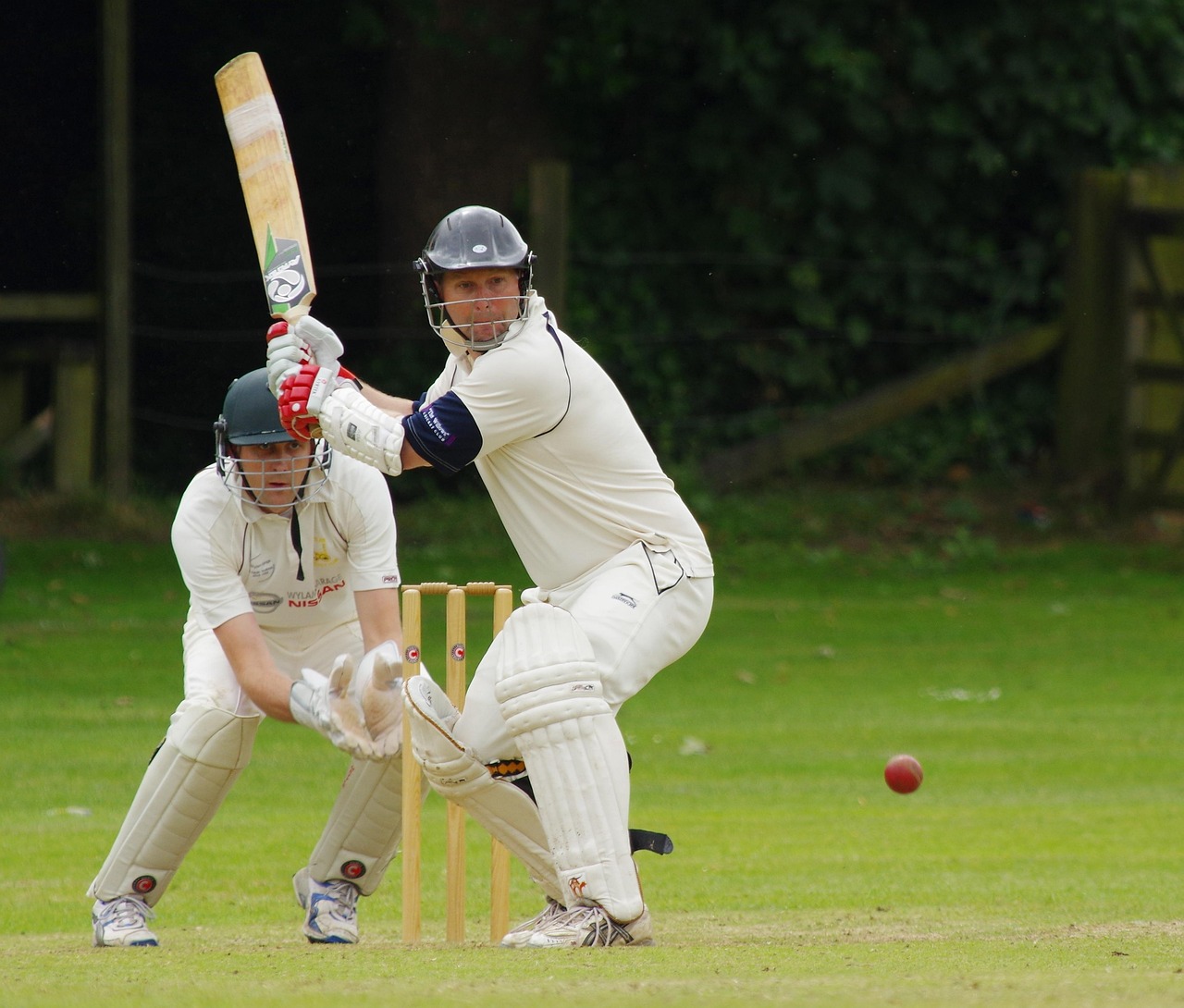

How to Analyze Opponent Teams in Cricket Matches
Analyzing opponent teams is crucial for success in cricket. To effectively analyze opponents, start by studying their recent match performances, focusing on their key players. Look for patterns in batting and bowling by gathering data on strike rates, averages, and wickets taken. Utilize resources such as stats websites and match reports. It’s also beneficial to assess players’ strengths and weaknesses to devise a successful strategy. The team composition is vital too; some teams rely heavily on spin bowlers while others may favor pace attacks. Identifying these trends helps in preparation for matches. Additionally, observe their field placements and styles, which can offer insights into their tactics. Recording this information assists in developing a game plan. Tactics played under specific conditions, such as weather or pitch type, should not be overlooked. Taking note of how teams adapt to challenges can signal their strategic capabilities. Engaging in discussions with teammates about learned insights can enhance the overall understanding. By systematically analyzing past games, teams can go into matches prepared, increasing their chances of a victorious outcome.
After gathering data on your opponents, it’s vital to focus on their playing conditions. Various factors like pitch type, weather, and humidity levels greatly influence a cricket match’s outcome. Understanding these elements helps teams gauge how their opponents may perform under certain conditions. For instance, some teams excel on dry, spinning wickets, while others struggle. Analyzing how past matches unfolded in similar conditions allows teams to anticipate opponents’ strategies. Moreover, consider their record against specific bowling styles or types of pitches, which can yield valuable insights into their strengths and weaknesses. Use this knowledge to formulate a tailored game plan. This can involve key player match-ups that exploit opponent vulnerabilities determined through past performances. Each match scenario necessitates a unique approach, molding your strategy around recent findings. Also, pay attention to the psychological aspects while analyzing opponents. Cricketers often face immense pressure, impacting their performance. Identifying players prone to pressure can create opportunities to capitalize on such scenarios. Maintaining a lens on both technical and contextual information sets your team a step ahead, optimizing both preparation and execution on match day.
Team Composition and Role Analysis
Team composition plays a significant role in determining match outcomes in cricket. Each player has unique roles, affecting overall team dynamics. While assessing an opponent’s composition, examine the combination of batsmen, bowlers, and all-rounders. Note heavy reliance on spin versus pace, or batsmen’s left-hand and right-hand variability. This knowledge is critical when devising game strategies. For example, identify key batsmen and how they perform against specific bowling types. Understanding individual players’ roles allows your team to exploit gaps and areas of weakness. Observe their bowling attack’s patterns, such as when they take early wickets or tend to concede runs. Determine how often opponents rotate bowlers and if they have a core group designated during powerplays. This influences decision-making regarding aggression in batting or playing more conservatively. Consider the batting order: top-order collapses can shape match scenarios. Gathering detailed information not only aids in identifying your opponent’s strengths but reveals their vulnerabilities. Therefore, developing insights into teams’ composition facilitates strategic planning. Utilize scouting reports and videos to prepare effectively by analyzing players and setting your field placements accordingly to counteract their strengths.
In addition to examining team composition, it’s essential to analyze the individual key players in depth. Focusing on top-order batsmen and leading bowlers can often determine the match’s fate. Study their recent forms, analyzing averages, strike rates, and performances against different teams. Pay attention to how many runs they average at home versus away games. Players often showcase varying performances under different match conditions. Understanding these metrics helps teams decide how to approach these key players during games. For instance, an opponent struggling against spin bowling may prompt a team to exploit this with spin-heavy bowling attacks. A deep dive into bowlers reveals strategy shifts, specifically examining day-and-night Tests or limited-over formats. Players experience changes in pressure, rhythm, and effectiveness based on time factors. Utilize past confrontations against batters in head-to-head statistics to predict possible match-ups that can unfold. Record specific scenarios proving effective or ineffective in previous encounters. Building comprehensive profiles on each player aids in developing strategies that capitalize on weaknesses, ultimately increasing the chances of winning crucial match-ups.
Statistical Analysis and Technology Use
Embracing statistical analysis using technology has revolutionized cricket analysis. Advanced stats provide insights that visuals alone cannot offer. Implement software tools to track data from recent matches, offering a deeper look at player performances, teamwork, and impact. Metrics, such as ball-by-ball outcomes, can be critical for revealing trends over time. Collect metrics that focus on overs, wicket types, and runs scored to identify key setups during play. Teams utilizing technology stand a higher chance of uncovering mismatches and obtaining a tactical edge over their opponents. Machine learning algorithms analyze behaviors and trends much faster, enabling a comprehensive understanding of matches. Incorporating video analysis is crucial to reinforce learning from past games, identifying areas needing improvement through visual examples. Such technology gives feedback loops, assisting players and coaches in rapidly adapting strategies. Utilizing scouting applications ensures ongoing progress in assessing team dynamics. Data visualization elements exhibit clear representations, allowing cricket teams to share insights more efficiently. Consequently, marrying statistics with technology fosters informed decision-making while enabling teams to explore innovative methods for creating and executing winning strategies.
Another aspect of opponent analysis involves studying psychological factors. Psychological readiness and stamina significantly influence performance in high-pressure cricket situations. Observe how opponents react under stress, such as during critical match moments. Monitoring past performances helps identify patterns where players typically buckle under specific circumstances. This data informs strategies emphasizing attempts to create pressure situations. Additionally, understanding team morale and cohesion can heavily impact on-field performance. Look for signs of internal conflict among players or coaching staff, as this often translates into game performance. Document aspects such as bunching together during loss streaks or separate interactions. Team dynamics can showcase leadership or communication barriers, providing insights into potential struggles. Use observed psychological factors to exploit vulnerabilities, field placements, and bowling changes aimed at disrupting established rhythms among opponents. Engaging in mental conditioning activities may help while preparing your own athletes for pressure situations. By addressing contributing psychological elements, prepare your team to handle adversity effectively. Overall, a comprehensive analysis must consider both technical and psychological components, maximizing team readiness as it lays the groundwork for victory in matches.
Match Fitness and Recent Performances
Lastly, the condition of players leading up to game day must be assessed while analyzing opponents. A player’s recent form and fitness levels can provide insights into their potential impact on the match. Recent injuries or fitness issues result in underperformance for key players; teams should explicitly check injury reports and fitness regimes. Assess personal performance metrics over recent games, focusing on averages, consistency, and strike impact. Detailed tracking of how key players have performed over various game conditions must guide decisions. This holds especially true when engaging highly competitive sides. Assess whether opponents are in a winning streak or struggling with form, as this affects confidence levels. Players riding high may display enhanced performances, while those facing defeat often reveal emotional challenges affecting gameplay. Furthermore, incorporating nutrition and fitness levels around match times is vital. Poorly managed fitness can lead to fatigue during games, showcasing how health translates to effectiveness. Conditioning observations reinforcing technique and energy enable the formulation of strategies tailored to the current state of players. Consequently, monitoring recent performances guarantees deeper insights into enemy readiness as matches unfold, empowering plans and methods.
In conclusion, effective analysis of opponent teams in cricket hinges upon meticulous research and strategic application of insights gathered. By blending traditional observations with modern technology and statistical approaches, teams can enhance their performance against their competitors. Thoroughly understanding team dynamics, key player roles, performance analyses, and psychological aspects cultivates a holistic approach to match preparation. This enables teams to stay one step ahead and prepare effectively against various challenges presented by opponents. Teams should prioritize fostering communication among resources spent on analysis to improve results during matches. Engaging players in discussions about these insights can bolster confidence and readiness as players understand their opponents better. Key strategies must spring from these analyses, aligning with situational awareness throughout the game. Combining tactical readiness with cognitive responses ensures teams are primed for victory against rivals. Through persevering hard work and collaborative effort, teams can capitalize on presented opportunities, enhancing their chances of winning cricket matches in long-term performances. Thus, dedicating time to opponent analysis becomes an indispensable facet of any cricket team’s pathway to success.