
Advanced Bodyweight Core Exercises for Athletes
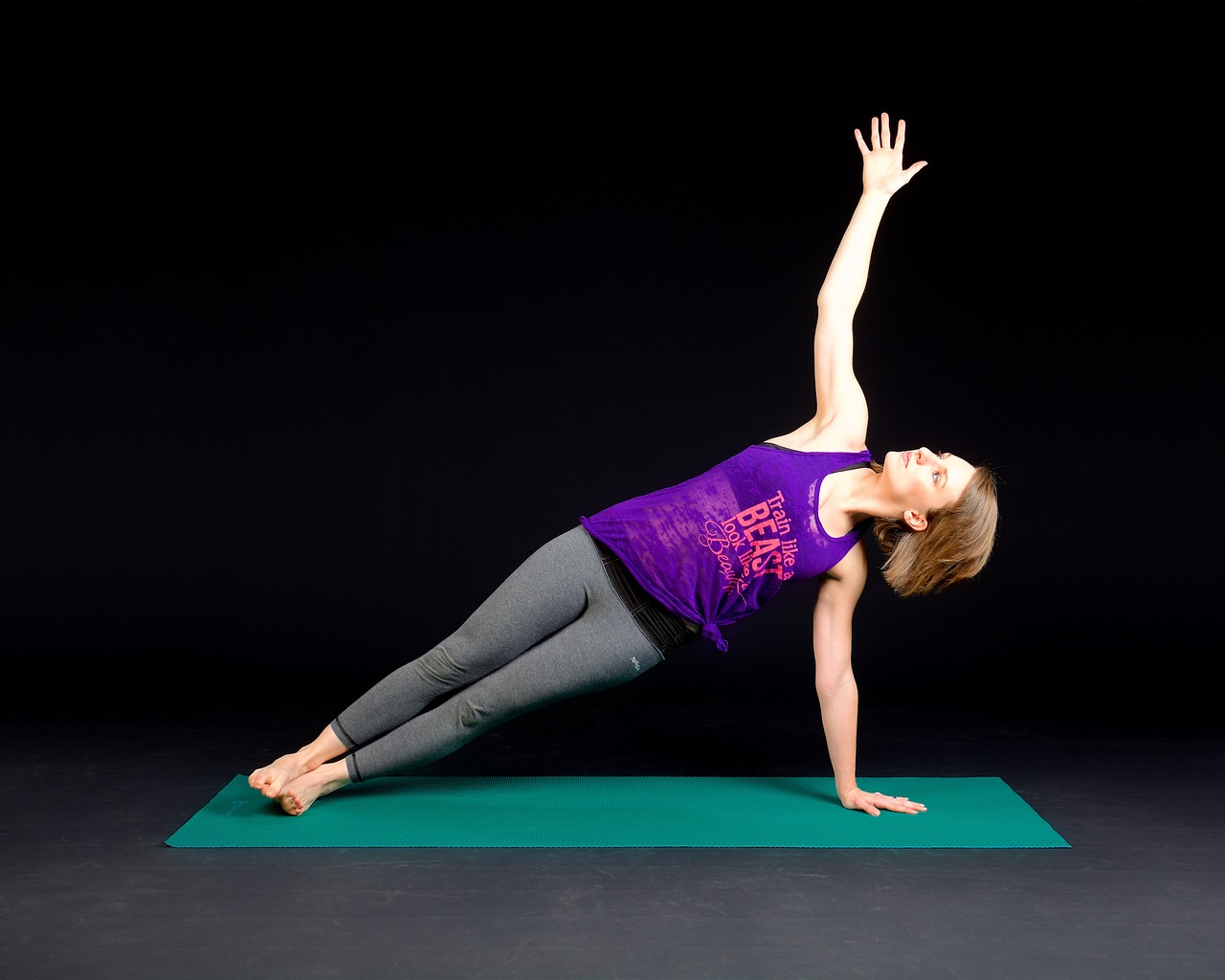
For athletes, a strong core is essential for improving performance across various sports disciplines. One of the best ways to develop core strength is through advanced bodyweight exercises. Bodyweight exercises rely on utilizing your own body weight to create resistance, thus making them highly effective and accessible. Some effective exercises include planks, hollow body holds, and side planks. The beauty of these exercises is that they can be performed anywhere, without the need for gym equipment. Always focus on maintaining proper form to maximize effectiveness and reduce the risk of injury. Incorporate dynamic movements with static holds to enhance core stability. Furthermore, these advanced exercises challenge the muscles while also engaging the entire body. This not only builds strength but also promotes better balance and coordination, which is crucial for athletic performance. If you’re looking to take your training to the next level, consider incorporating these bodyweight exercises into your routine. They are practical, can be tailored to your fitness level, and will help you achieve lasting core strength for the demands of your sport.
Next, let’s explore some specific advanced bodyweight exercises that can significantly enhance your core strength. One powerful exercise is the dragon flag. This challenging move requires you to control your body as you lower it down to the ground in a straight line from your shoulders. Practicing this exercise effectively engages the entire core, especially the lower abs. Another valuable movement is the ab wheel rollout, which, while often performed with equipment, can also be mimicked through controlled body movements. Additionally, consider single-arm push-ups, which not only target the chest and shoulders but also necessitate a strong core for stability. Other exercises such as V-ups and pike push-ups help develop incredible core strength and body awareness. Experimenting with variations like one-legged modifications can increase the difficulty, further enhancing muscle engagement. In practical sessions, ensuring a well-rounded approach by alternating between strength, endurance and flexibility will ensure balanced development of core muscles.
Incorporating pistol squats into your routine is another game-changing exercise. This single-leg squat challenges your balance, strength, and flexibility. Engaging your core throughout the motion ensures you maintain proper posture and prevent injury. Additionally, Hindu push-ups provide an excellent full-body workout that emphasizes core engagement while strengthening the arms and legs. Transformative in their nature, these exercises improve overall performance by promoting agility and strength. Further enhance your workout by including roll-outs using a stability ball. This exercise allows for a deeper stretch in the core while working on stability and control, prepping the body for more explosive movements. Always remember that varied exercises not only keep workouts fresh and exciting but also allow for muscle growth through diverse stimulation. Tailor your core workouts to reflect athletic goals, whether they focus on strength, endurance, or flexibility. Embrace progressive overload by regularly increasing the intensity or volume of your workouts.
Importance of Core Stability
Core stability is crucial for optimal athletic performance, as it enhances balance and body control. Excellent core stability minimizes the risk of injury during various physical activities and ensures effective movement execution. Athletes often overlook this aspect, yet a well-developed core supports every movement in sports, from sprinting to jumping. By focusing on functional core exercises, athletes can optimize their movement patterns and achieve superior performance. Incorporate movements that involve dynamic stabilization and anti-rotation to engage the core comprehensively. Examples include Russian twists and bird dogs. Anti-rotation movements particularly engage deep core muscles responsible for maintaining posture and stability during aggressive physical activities. Gradually integrate these exercises into your regimen, allowing your body to adapt, leading to improved overall control. Remember, a strong core acts as a powerhouse that drives movement efficiency and power output. This foundational strength sets an athlete apart in competitive environments, making core stability a pivotal component of any training regimen.
To maximize the efficacy of bodyweight core exercises, ensuring proper recovery and nutrition is vital. Effective exercises impose challenges on muscles, leading to micro-tears that require adequate recovery time for growth and improvements. Prioritize post-workout nutrition with a balanced intake of proteins and carbohydrates to facilitate muscle repair. Incorporating flexibility and mobility work post-exercise helps in recovery and prepares your body for subsequent workouts. Yoga or dynamic stretching routines can alleviate tension and promote relaxation in tight muscles, enhancing overall performance. Furthermore, staying hydrated and ensuring optimal nutrient intake supports the body’s recovery mechanisms. Engage in regular assessments of your core strength to monitor progress and adapt training programs accordingly. Tailoring workouts to align with performance goals enhances motivation as you track improvements. Keep a log of exercises performed and gradually increase their intensity or repetitions, forming a strong foundation for sustained core growth. As recovery processes become routine, the athlete can push boundaries in their physical capabilities.
Conclusion: Elevating Athletic Performance
In conclusion, advanced bodyweight core exercises provide athletes with the necessary tools to excel in their respective sports. A strong core translates into enhanced performance, better agility, and resilience against injuries. By focusing on dynamic and functional movements while adhering to proper techniques, athletes can witness significant improvements in their overall fitness. Embrace the variety of exercises discussed, adjusting them according to individual skills and experiences. As you develop your core strength, gradually integrate exercises that challenge stability and control to mirror the demands faced in sports. Athletic training should be holistic, addressing core strength alongside endurance, power, and flexibility. With consistent effort and a thoughtfully structured program, maximizing your core potential will yield desirable results. This pursuit is not only vital for performance but also encourages longevity in athletic careers. Use this guide as a reference to elevate your training sessions, fostering fundamental change for your body. Engage with the bodyweight exercises shared and witness improved strength, coordination, and overall athletic growth.
Finally, remember that fitness is not a sprint but a marathon. Building an impressive core takes time, patience, and resilience. Incorporate other fitness aspects that contribute to a well-rounded athletic profile. Cross-training with activities such as swimming or running will complement core exercises, enhancing overall strength and endurance. Keep varying your workouts to fight boredom and engage different muscle fibers, ensuring comprehensive development. Regularly set short-term goals to benchmark progress and stay motivated throughout the journey. Celebrate small victories along the way, keeping the focus on long-term growth. At the same time, prioritize enjoying the fitness journey to foster sustainable habits. Involve training partners or groups to share experiences, enhancing enjoyment and accountability. Collective motivation not only lifts performance but also builds camaraderie among like-minded individuals. Healthy competition can further propel you toward achieving your athletic goals. Keep refining your training methods and adjust as needed; building a powerful core will lead the way to athletic excellence.
.