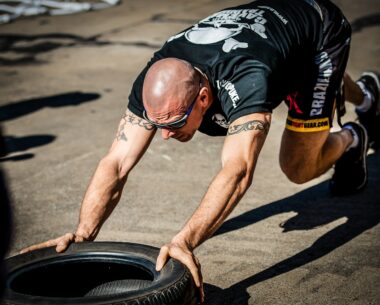

Interval Training Benefits for MMA Fighters
Interval training offers various advantages to MMA fighters that help improve their performance in the ring. This training technique focuses on alternating between periods of intense activity and low-intensity recovery. The primary benefit of interval training is that it enhances cardiovascular fitness and improves overall stamina. During the bouts, fighters need to maintain high energy levels despite engaging in intense physical activity. By integrating interval training into their routines, MMA fighters can efficiently increase their aerobic and anaerobic fitness levels. This dual adaptation is essential for sustaining the energy required during full-length fights. Furthermore, interval training promotes faster recovery times between rounds, enabling fighters to maintain their performance for the entirety of the match. Another significant benefit is fat loss. High-intensity interval training, or HIIT, can help fighters burn calories more effectively than traditional steady-state cardio workouts. This aids in achieving optimal weight class without sacrificing muscle. In addition to physical improvements, interval training also boosts mental toughness, as fighters learn to endure challenging workouts, thus enhancing their resilience in high-pressure situations in the cage.
Integrating interval training into your MMA training program requires careful planning and execution. Fighters should consider incorporating different types of intervals, such as short bursts of high-intensity exercise interspersed with active rest periods. For instance, a common method is sprinting for 30 seconds followed by 1-2 minutes of walking or jogging. This helps increase the heart rate and build endurance while ensuring adequate recovery between efforts. It is important for fighters to find the right balance between intensity and recovery to prevent fatigue. Diversifying interval training sessions can also keep workouts engaging and challenging. Exercises such as shadow boxing, grappling drills, or plyometrics can be integrated into interval style workouts. Moreover, incorporating functional movements that mimic fighting techniques can enhance specific skills while conditioning the body. Lastly, proper nutrition plays a crucial role in maximizing the benefits of interval training. Fueling the body with high-quality food sources supports energy levels during workouts, while optimal hydration strategies ensure peak performance during training sessions. Following a structured approach can lead to significant improvements in overall fighting skill and fight readiness.
Techniques for Effective Interval Training
To maximize the effectiveness of interval training and gain the most benefits, MMA fighters must focus on incorporating various techniques. First, effective warm-ups are essential before beginning any interval training session. Warming up helps prepare the muscles and cardiovascular system for intense activity, reducing the risk of injuries. A good warm-up could involve lighter cardio and dynamic stretches. Secondly, maintaining form during high-intensity intervals is critical. Utilizing proper technique during explosive movements can prevent injuries and develop stronger movement patterns. Fighters should constantly emphasize technique, especially as fatigue sets in. Thirdly, monitoring heart rate during intervals allows athletes to keep track of their intensity levels. This can help fighters adjust their rest periods based on their individual fitness levels. Additionally, incorporating sport-specific drills into interval workouts can enhance skill development. For instance, practicing heavy bag striking during intervals or engaging in grappling exchanges can simulate fight conditions more accurately. Lastly, cooldown sessions should not be overlooked; spending time on recovery techniques like stretching can alleviate muscle soreness and promote flexibility, leading to better overall performance in the ring.
Another important aspect of interval training for MMA is the variability of workouts. Consistency is key, but introducing variations can prevent plateaus and keep fighters engaged. For example, one week may focus on speed intervals, while the next could emphasize power or endurance. By alternating the focus of the workouts, athletes can develop a more well-rounded skill set. Furthermore, including a mixture of training modalities can also provide a fresh stimulus for the body. Combining running, cycling, and swimming with sport-specific drills creates a comprehensive conditioning program that addresses various energy systems. Timing the workout duration also varies, sometimes comprising a shorter, high-intensity session followed by a longer, lower-effort workout. Finally, maintaining a training log can help fighters track their progress and understand what strategies yield the best results. Keeping a record ensures they can reflect on their performance and make adjustments to their workouts as needed, optimizing their training. Adopting a mindset geared toward continuous improvement forms the foundation for successful training and fighting outcomes.
The Role of Nutrition in Interval Training
Nutrition serves as a fundamental element that complements the effects of interval training in MMA. Proper fueling before, during, and after workouts can significantly affect performance. Before high-intensity sessions, fighters should consume carbohydrates to provide quick energy. Complex carbohydrates such as brown rice, oats, and whole grains are excellent choices. Along with carbohydrates, a sufficient intake of protein supports muscle recovery and growth. After intense training, fighters should prioritize protein-rich foods like chicken, fish, or plant-based alternatives for optimal recovery. Furthermore, hydration is crucial throughout the interval training process. Dehydration can impair performance and prolong recovery time. Hence, fighters should drink water or sports drinks before, during, and after their workouts. Additionally, the timing of nutrient intake also plays a vital role. Consuming small, easily digestible snacks or protein shakes post-training helps replenish glycogen stores and enhances recovery rates. Alongside these, focusing on micronutrient-rich foods ensures fighters maintain optimal health and well-being. A well-rounded nutritional approach, in synergy with interval training, will undoubtedly lead to improved performance in the octagon during mixed martial arts competitions.
Implementing short bursts of high-intensity workouts is one of the essential strategies for effective interval training. This method could vary from explosive movements, such as sprinting, jumping, or dynamic striking, all crucial to MMA. These high-intensity movements engage fast-twitch muscle fibers, enhancing a fighter’s speed and power output. When establishing these workouts, fighters might also utilize techniques like Tabata, which consists of 20 seconds of maximum effort followed by 10 seconds of rest, repeated for four minutes. This approach not only builds cardiovascular endurance but also sharpens fighter reflexes and explosiveness. Another effective method is the 30-30 interval, where fighters engage in 30 seconds of intense activity followed by 30 seconds of lower-intensity work. This method replicates the demands faced during actual MMA fights. Pairing interval training with recovery activities like yoga or mobility work can further enhance performance. By focusing on flexibility and core strength while allowing active recovery, fighters improve their overall movement quality. A multi-faceted approach to conditioning will ultimately foster superior performance, technical skill application, and tactical effectiveness in the cage during competitive bouts.
Monitoring Progress and Adjusting Training
Monitoring progress is essential to understanding the effectiveness of an interval training program. Athletes can utilize various tools, including fitness trackers and heart rate monitors, to gauge efforts and improvements throughout the duration of their training. Regularly assessing performance can highlight personal breakthroughs or indicate when adjustments are necessary. For instance, if a fighter notices a decline in their peak heart rate during workouts, it may signal a need for increased intensity or volume in training sessions. Conversely, if a fighter finds workouts becoming easier, this might indicate a plateau, requiring alterations in intervals. Adapting the duration and intensity of intervals will ensure continuous improvement and prevent physical stagnation. Additionally, incorporating self-assessment in training logs can reveal trends in endurance and strength, guiding decision-making potential regarding fight camp preparations. Fighters should also consider consulting with experienced coaches to personalize their interval training regimes effectively based on feedback and expertise. Combining experience, technology, and self-awareness fosters a training environment that maximizes growth opportunities while fine-tuning a fighter’s capabilities in the octagon.
In conclusion, interval training provides MMA fighters with various benefits crucial for honing their skills and achieving success in the sport. By emphasizing aspects such as cardiovascular fitness, stamina, power, and quick recovery times, fighters can enhance their performance in competitive matches. Integrating varied techniques and exercises allows for a well-rounded training routine that targets different physical demands of mixed martial arts. Moreover, paying attention to nutrition ensures fighters remain in peak condition while optimizing their training results. Lastly, monitoring training progress helps fighters stay on track and make informed adjustments as necessary. By adopting these interval training principles, MMA fighters can develop a structured approach to their preparation, ultimately reaching their goals and excelling in the octagon. The key lies in finding the right balance between training intensity, recovery, and nutrition to achieve exceptional fighting capabilities. As fighters implement these strategies, they each contribute to building a strong foundation for success in their fighting careers. With steady dedication and commitment to mastering interval training, MMA athletes can look forward to thriving within the sport and maximizing their potential.