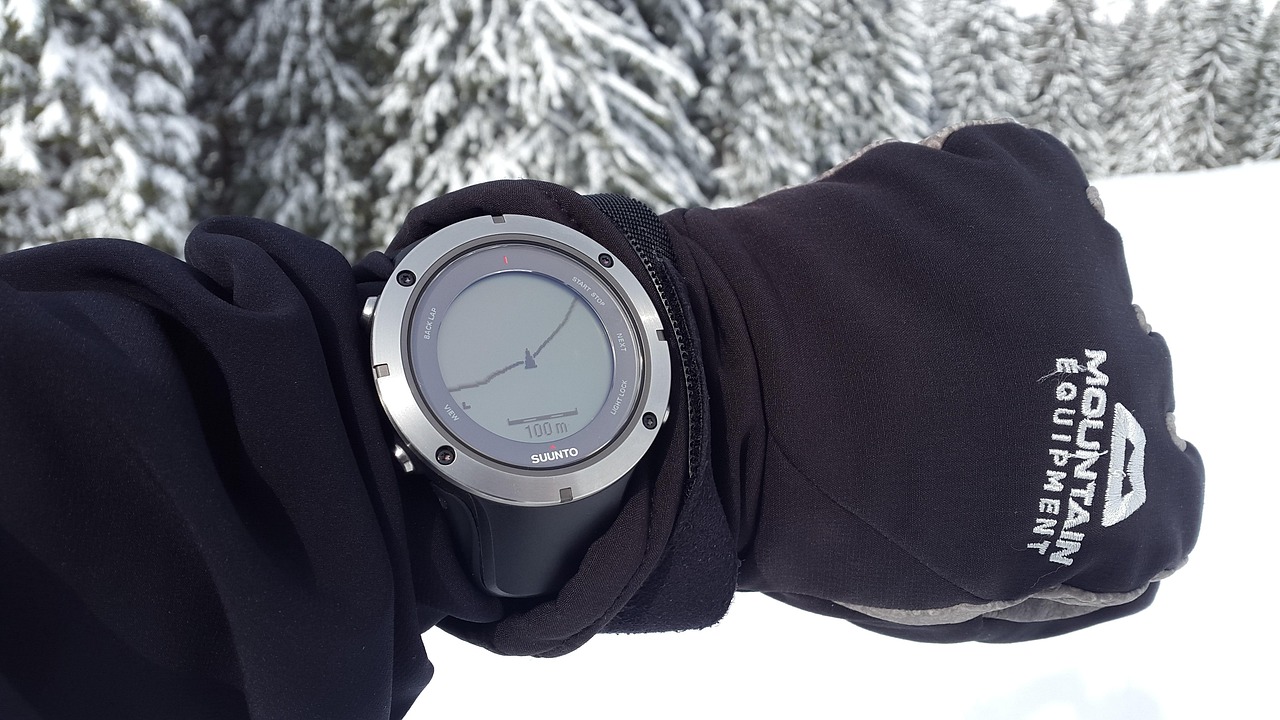

How to Use a GPS Watch for Trail Running
Trail running is an exhilarating experience, and using a GPS watch can greatly enhance your adventure. It’s essential to select a watch that suits your needs. Look for features such as heart rate monitoring, elevation tracking, and waterproof capabilities. When purchasing, consider factors like battery life, display readability, and comfort. A good GPS watch should fit snugly on your wrist while remaining lightweight. After acquiring your device, take time to familiarize yourself with its functionalities. Read the manual thoroughly and explore the settings. Customizing display metrics can make a significant difference during your runs. For instance, display distance traveled, pace, and heart rate together for effective performance tracking. Be sure to plan your routes ahead of time. Many GPS watches allow you to download maps and track your routes, providing you with essential navigation support. During your run, remember to check the battery life and charge your watch beforehand. Finally, sync your data post-run for a comprehensive overview of your performance and trail experience. This data can help improve future runs, allowing you to refine your pace and route choice effectively.
Besides tracking your performance, GPS watches can also enhance safety during trail runs. One major safety feature is the ability to share your location with friends or family. In the event of an emergency, having someone know your whereabouts can be crucial. Many advanced models even offer features such as incident detection or a SOS alert which notifies emergency contacts if you’re in trouble. This added level of security gives peace of mind, allowing you to focus on your run. To ensure effective functionality, practice using these features before heading out for longer runs. Familiarize yourself with the process of sending alerts or sharing locations. Consider carrying a portable charger on longer trails. Battery life can deplete rapidly, particularly in cold conditions, so having backup charging options is beneficial. Along with safety, GPS watches aid in route experimentation. You can discover new trails while having access to your previous runs. This can lead to exciting new experiences and help diversify your training. Explore various terrains and conditions, and take note of how the watch handles tracking and navigation in these scenarios.
Understanding GPS Data
Understanding the data provided by your GPS watch is crucial for effective trail running. Data insights help in evaluating your performance over time. Key metrics to monitor include your pace, heart rate, and elapsed time, all of which give you a comprehensive overview of your fitness levels. Most watches will display your progress graphically, making it easier to spot trends. Additionally, familiarize yourself with elevation gain and decline metrics, as these statistics are vital on trails with varying landscapes. Keep a lookout for your VO2 max readings. This information is useful for determining your aerobic fitness level. Tracking these data points allows you to set realistic goals for future runs, whether it’s improving your speed or endurance. It also provides feedback on how your body responds to different terrains and running conditions. Align your training routines based on this feedback, encouraging progressive overload over time. Additionally, use the data to recognize signs of fatigue or overtraining. Balance your training based on data insights will go a long way in preventing injury and preserving your long-term running health.
Furthermore, sharing your GPS data can contribute to a sense of community among trail runners. Many watches have connectivity features that allow you to share your achievements on social media or specialized apps like Strava or Garmin Connect. Engaging with fellow runners can enhance motivation and provide valuable tips for improvement. Comparing routes, sharing favorite trails, or even competing against friends can make your training more enjoyable and productive. Networking with local trail running groups often leads to discovering hidden gems. The camaraderie built through shared experiences can motivate you to keep pushing your limits. Track your improvement over time by comparing past data with current performance. This can reveal patterns in your progress and highlight areas that require more focus. Joining challenges or setting personal milestones through a community platform can encourage consistency. Setting goals based on your GPS data is immensely helpful, providing a structured approach to improving your trail running capabilities while fostering a healthy competitive spirit.
Regular Maintenance for Best Performance
To optimize your GPS watch’s performance during trail runs, regular maintenance is essential. Start by keeping the software updated. Manufacturers frequently release updates with improved features and bug fixes. Regularly check the manufacturer’s website or its app for any available updates to ensure you’re using the latest version. Moreover, cleaning the watch after each run can prolong its life. Utilize a damp cloth to wipe the case and screen, especially after running in muddy or wet conditions. Ensure that the charging contacts are free of dirt, ensuring proper connectivity during charging. Properly storing the watch when not in use is equally important. Keep it in a protective case to safeguard against scratches and impacts. In addition, monitor the battery performance over time. If you notice a significant decrease in battery life, consider replacing the battery or consulting the manufacturer for further assistance. Regular maintenance not only enhances the app’s performance but also extends the life of the device, maximizing your investment. Engaging in these simple practices will ensure your GPS watch serves you well during countless trail adventures.
Training alongside a GPS watch can yield substantial gains if you leverage it correctly. One effective way to enhance your running is through interval training, which allows you to alternate between fast and slow paces. Program your watch with specific intervals to encourage better pace management and endurance. By setting alerts for when to speed up or slow down, you will engage both mentally and physically, optimizing your training experience. Moreover, you may notice significant improvements in your cardiovascular fitness through regular interval training. In addition to intervals, consider heart rate training zones to enhance your efficiency while trail running. Your watch can guide you through these zones, ensuring you maintain optimal intensity levels for your workouts. Determine your heart rate zones and utilize them during your runs for personalized training. This method helps you improve endurance while facilitating recovery afterward. Experimenting with different training types—tempo runs, long runs, and hill repeats—will also boost your overall performance in trail running. Each workout type serves a purpose, ensuring well-rounded development as a trail runner and adding variety to your training regime.
Final Thoughts on GPS Efficiency
In conclusion, mastering the use of a GPS watch for trail running is an ongoing process that can substantially enhance your enjoyment and performance on the trails. By embracing technology, you not only elevate your training but also ensure that every experience is data-driven and introspective. Prioritize features that matter most to you while considering your unique running environment. Use the watch’s capabilities for route navigation, performance tracking, and safety. The analytics provided can lead to improved decision-making regarding pacing, routes, and recovery. Make it a habit to analyze your data after every run, drawing lessons and insights. Additionally, integrate suggestions and feedback from your running community or friends for fresh perspectives. Trial and error will improve your overall trail running experience over time through consistent evaluation and adjustment. As you incorporate this technology into your routine, remember that rest and enjoyment remain paramount. Balancing technical savvy with raw passion will ensure that your trail running endeavors remain fulfilling and energizing, enabling you to connect with nature and enjoy every moment spent on the trails.
Your GPS watch is not just a tool; it’s a companion designed to enhance your trail running experience. Leveraging its capabilities efficiently is key in realizing its potential benefits beyond measuring distances. Regular use will familiarize you with its features, creating confidence during your runs. As you develop advanced skills and improve your runs, you will appreciate the data generated over each mile run. Over time, you will refine your approach based on empirical evidence gathered on various terrains and conditions. This structured methodology will shape your training philosophy, integrating technology seamlessly into your outdoor adventures. Thus, embrace your GPS watch as a valuable resource, ensuring you maximize your potential as a trail runner. Your journey will be a mix of challenges, victories, and sheer joy that comes with exploring nature. Monitor your progress and celebrate every milestone to sustain your motivation. Overall, trail running is a unique blend of solitude, camaraderie, and exploration. With the right GPS tools, you are equipped to face the challenges of the trails, while also embracing the beauty and thrill that comes with the journey. Happy running!