
Relaxation and Recovery: How Aromatherapy Supports Sleep in Athletes
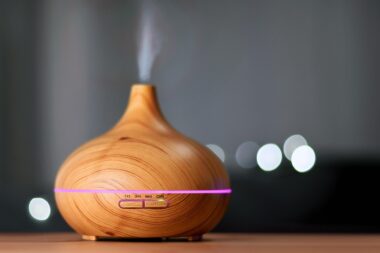
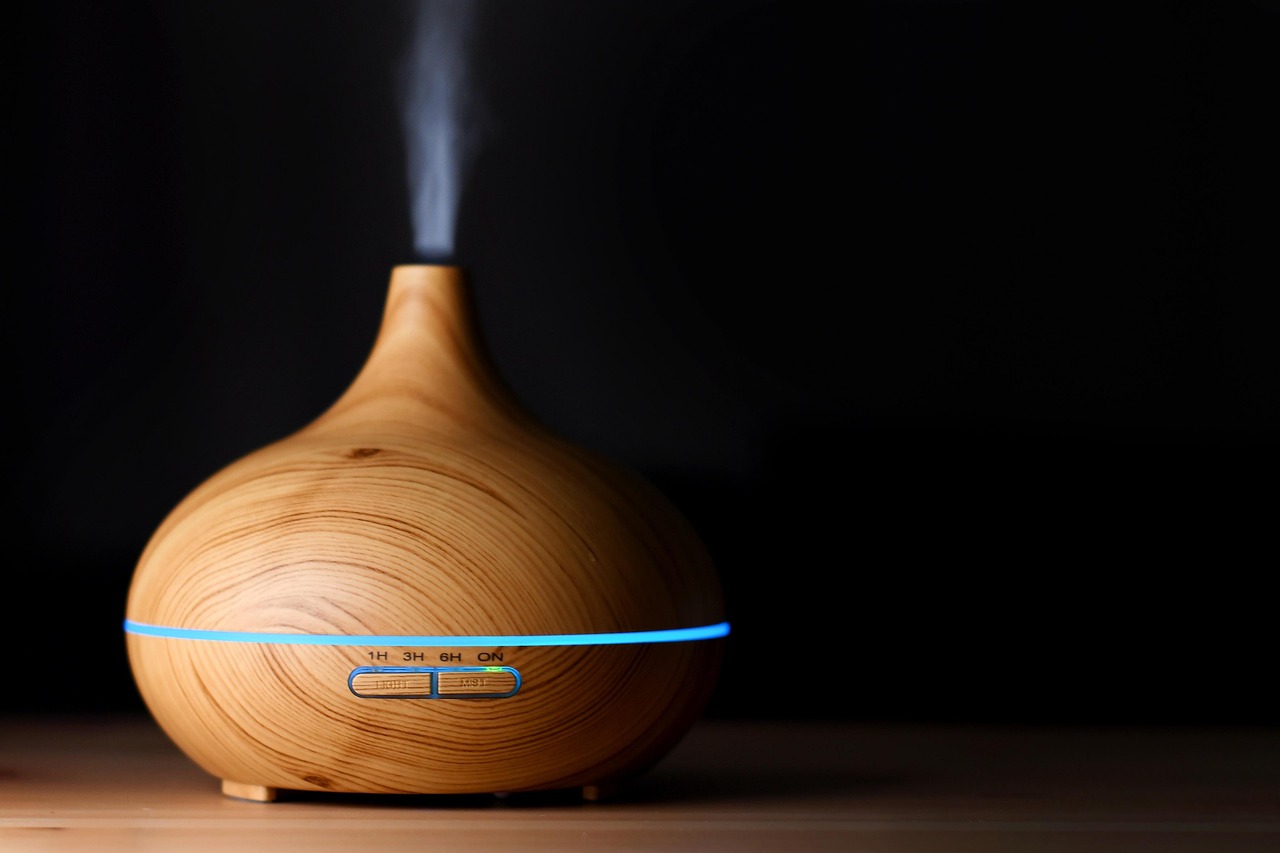
Sleep is an essential component of recovery for athletes and a vital factor in enhancing performance. Aromatherapy serves as an effective method to promote better sleep. Utilizing essential oils can create a calming environment conducive to relaxation and restfulness. Some popular options include lavender, chamomile, and bergamot. These oils possess natural calming properties that help reduce anxiety, allowing athletes to wind down after intense training sessions. Incorporating aromatherapy into bedtime routines is straightforward and requires minimal effort. A diffuser is a popular choice, as it disperses the oils into the air, creating a soothing atmosphere. Additionally, adding a few drops of essential oils to a warm bath can amplify relaxation. Many athletes are discovering the benefits of aromatherapy beyond just physical recovery. Studies reveal that consistent use of these oils can lead to improved sleep quality, helping athletes stay fresh during training.
Moreover, athletes face high physical and mental demands that often lead to sleep disturbances. The use of aromatherapy helps address these challenges effectively. Inhaling the scent of essential oils triggers one’s olfactory receptors, promoting emotional wellness and thus aiding sleep onset. Scientific research supports that specific compounds within these oils can enhance serotonin levels which indirectly influence melatonin production. Melatonin is crucial in regulating the sleep-wake cycle. For athletes, optimizing this cycle means better recovery during rest periods. Aromatherapy not only contributes to sleep improvement but also enhances relaxation during stressful competitions. Stress management is critical for athletes as it directly correlates with performance levels. Integrating essential oils strategically into pre-sleep rituals can help in softening the mental edge and promoting relaxation. Furthermore, establishing a nighttime routine incorporating aromatherapy prepares the mind and body for rejuvenating sleep. Athletes seeking a holistic approach to recovery are particularly inclined to explore aromatherapy’s potential. They continuously look for innovative ways to soothe their bodies and minds effectively.
The Science Behind Aromatherapy and Sleep
A growing body of research substantiates the beneficial role that aromatherapy plays in enhancing sleep quality among athletes. Different essential oils possess unique properties that contribute to this effect. For instance, lavender oil is well-loved for its calming effects, which can help lower heart rates and reduce blood pressure, making it easier to fall asleep. Similarly, chamomile shares sedative properties that can soothe an anxious mind, allowing for a peaceful transition into sleep. Additionally, bergamot essential oil has been shown to reduce stress levels by influencing the body’s hormonal balance. Each of these oils can create a serene atmosphere, fostering a sense of tranquility. By producing feelings of comfort, these aromas help address the stressors associated with athletic performance. Choose preferred oils that resonate well emotionally to deepen the sleeping experience. Athletes can enhance their restfulness and recovery by using aromatherapy as part of their nighttime ritual. Integrating simple practices such as putting a few drops on pillows or using oil-infused sleep masks offers the chance to explore these benefits.
It is essential, however, to address each athlete’s unique preferences and sensitivities regarding scents. Some athletes may find particular oils overwhelming, while others may prefer subtler aromas. Conduct thorough research to identify which essential oils work best for individual preferences. A personalized approach to aromatherapy ensures maximum effectiveness when promoting better sleep and relaxation. Consider conducting a patch test with soap or shared oils on the skin to gauge potential irritations. Additionally, using blends of various oils can provide a more rounded experience, maximizing benefits while pleasing different senses. Implementing aromatherapy does not merely enrich sleep but fosters a comprehensive recovery program that supports overall wellness. The aroma’s calming influence can be a prime factor in creating an optimal environment to foster sleep and restfulness. Ultimately, athletes have a plethora of practical tools at their disposal to promote deeper and restorative sleep, and the benefits of aromatherapy continue to grow in recognition. Engage in creating favorable conditions layered with oils thoughtfully chosen for personalized needs.
Practical Tips on Using Aromatherapy
Integrating aromatherapy into nightly routines can be straightforward and enjoyable. To initiate, experiment with different essential oils by utilizing diffusers to disperse scented mists around the sleeping area. This practice not only sets a beneficial atmosphere but also imbues the space with an inviting fragrance! Experimenting with scents aids in discovering the ones that resonate most positively. For convenience, consider pre-mixing oils for a customized potion that can be applied at strategic moments. Such versatility allows you to enjoy aroma in various forms, whether through topical application or gentle inhalation. Another option includes placing cotton balls infused with preferred oils by the bedside to promote soothing smells throughout the night. Athletes can educate themselves further through workshops or classes on essential oil usage, thereby mastering a craft that empowers them personally. Remember that personal choices play a pivotal role, making it essential to find scents that evoke feelings of comfort. Incorporation of aromatherapy adeptly into the nightly regimen can amplify relaxation, promote better sleep, and elevate overall health for athletes aiming for peak performance.
Explore options for incorporating aromatherapy practices into your home or during travel. Many professional athletes face travel-related challenges, including inconsistent sleeping environments. Portable diffusers and travel-sized essential oil bottles can ensure continuity regardless of location. Many athletes pack their favorite oils as part of their travel gear, helping create familiar atmospheres even in unfamiliar settings. Utilizing a blend of relaxing oils right before or during flights can tremendously support restful periods. The onus is on athletes to take active roles in their self-care across all arenas, including travel and competition. Educating fellow athletes on the advantages of integrating aromatherapy can encourage wider acceptance of holistic approaches. Share positive experiences through group discussions or focus on mutual interests in wellness while encouraging an exchange of effective practices. The capacity for refining one’s performance lies largely within personal routines and habits. By prioritizing sleep health, athletes can enhance recovery through natural, soothing methods such as aromatherapy. Ultimately, prioritizing recovery through natural means can guide athletes toward maximizing their abilities during critical moments.
Conclusion: Embracing Aromatherapy for Enhanced Sleep
In conclusion, aromatherapy offers various possibilities for enhancing sleep and recovery in athletes. The incorporation of essential oils into nightly routines supports relaxation, reduces anxiety levels, and promotes better sleep quality. As athletes strive to maintain optimal performance, the importance of restorative sleep becomes evident. Harnessing the power of scent creates personalized experiences that can elevate not only sleep patterns but overall health and wellness. Through informed choices, athletes can explore essential oils such as lavender, chamomile, and bergamot to optimize their bedtime environments. Practicing aromatherapy fosters a multi-layered recovery approach crucial for long-term success. Furthermore, successfully managing sleep contributes to emotional stability and resilience—the pillars of a productive athletic career. As awareness of the benefits of natural remedies like aromatherapy increases, expect to see a growing trend among athletes eager to embrace holistic practices for improvement. Adopting aromatherapy aligns with a vision for comprehensive athlete care focused on enhanced performance, recovery, and overall well-being, emphasizing the necessity of proper sleep management. Therefore, athletes must prioritize activities that lead to restful nights, ultimately fostering an environment where sleep, health, and performance flourish.
As well as this, involving aromatherapy in sleep regimens demonstrates a strong commitment to self-care. Athletes who prioritize their emotional, mental, and physical needs find themselves better positioned for success, both in personal pursuits as well as in competitive arenas. The comprehensive application of aromatherapy extends beyond just sleep; it establishes connections between tranquility and athletic achievements. Ultimately, exploring such methods can yield profound benefits in every area of athletic performance and recovery. Encouraging awareness through education on essential oils and their functions enables athletes to become informed about advantageous methods at their disposal. Participating in community workshops, reading literature on aroma, and sharing experiences reflects a growing movement toward mindful practice. It is about the holistic well-being of participants rather than reaching just peak performance. Athletes must leverage all available resources, including aromatherapy, which influences not only sleep but overall quality of life. Creating partnerships and collaborations among professionals, peers, and informed educators highlights the tremendous potential of integrating aromatherapy within athletic spaces.