
Meditation and Movement: Combining Yoga and Pilates for Comprehensive Mental Health
Mental health is increasingly recognized as a vital aspect of overall well-being. Integrating practices like yoga and Pilates can significantly enhance mental clarity and emotional resilience. Both disciplines offer unique benefits that, when combined, can create a holistic approach to mental health. One primary advantage is the focus on mindful movement, which cultivates awareness of bodily sensations and fosters a deeper connection to oneself. This connection can alleviate anxiety, reduce stress levels, and improve mood. Additionally, the breathing techniques used in yoga and Pilates promote relaxation, allowing individuals to better manage their emotional responses. Engaging regularly in these practices can lead to a stronger sense of control over one’s mental state, fostering a proactive approach to mental wellness. This is particularly beneficial in today’s fast-paced world, where individuals often feel overwhelmed. Furthermore, the blend of strength-building and flexibility offered by both disciplines enhances the physical body, which in turn supports mental health. Therefore, integrating yoga and Pilates into one’s routine can be a transformative experience that supports both the mind and body effectively.
The Science Behind Yoga and Pilates
Understanding the science behind yoga and Pilates reveals their profound impact on mental health. Research has demonstrated that practicing yoga can help reduce symptoms of anxiety and depression. Structured breathing techniques stimulate the parasympathetic nervous system, promoting a state of calm. Pilates complements this by emphasizing posture and core strength, which supports overall physical alignment and can reduce physical stressors contributing to mental strain. Studies indicate that individuals participating in consistent yoga and Pilates sessions report enhanced mood and emotional resilience. Furthermore, the meditative aspect of yoga encourages mindfulness, which teaches individuals to focus on the present rather than ruminating on the past or worrying about the future. The combination of movement and meditation facilitates a unique experience that nurtures the mind, making challenges more manageable. Additionally, classes often foster a sense of community, which can alleviate feelings of loneliness and isolation. Engaging with others in these practices can lead to lasting friendships and connections that further enhance emotional well-being. Overall, the integration of scientific principles in both yoga and Pilates underlines their effectiveness in improving mental health outcomes.
Combining Yoga and Pilates: Techniques for Mental Health
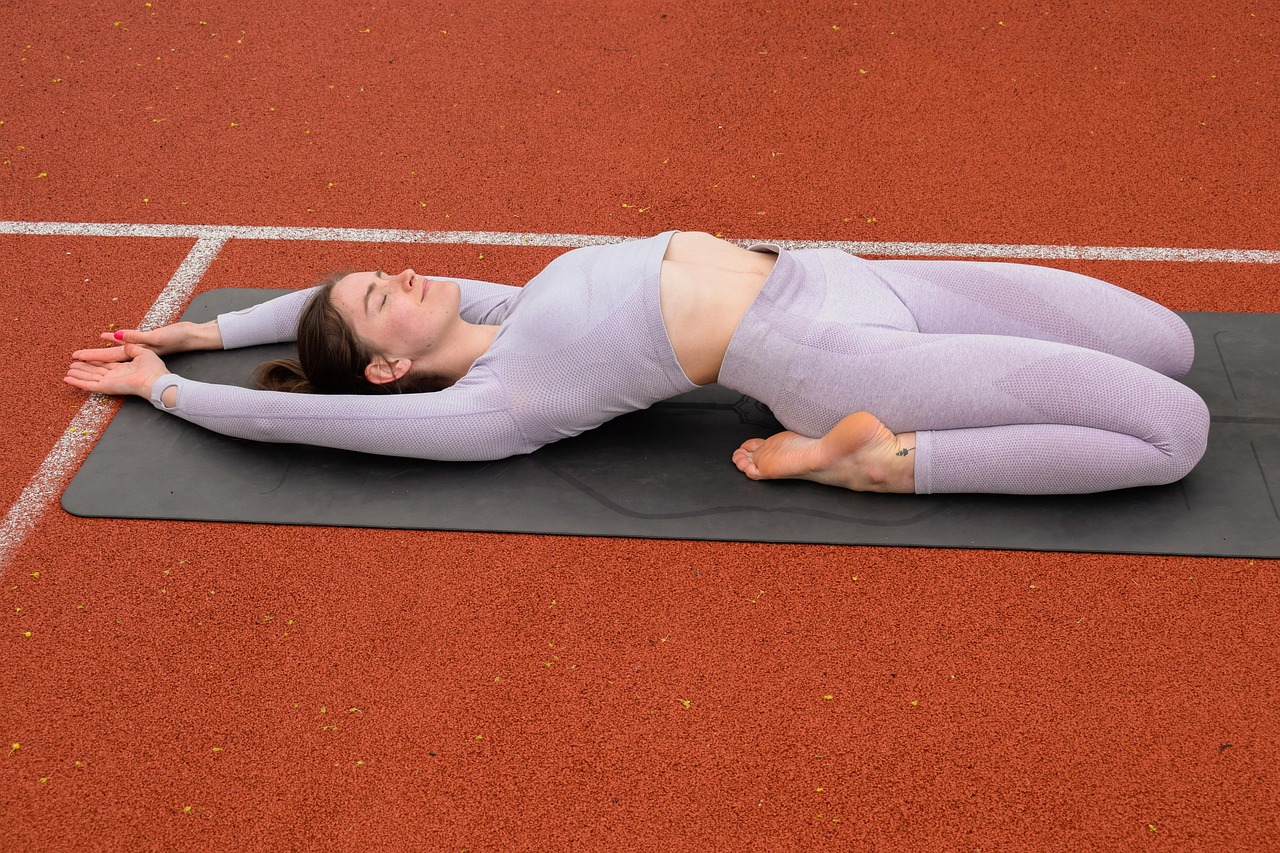
Combining yoga and Pilates can be incredibly effective for enhancing mental health. Each discipline offers specialized techniques that, when practiced together, can create a balanced approach. Yoga encourages deep, conscious breathing through pranayama, which helps calm the nervous system and promotes mindfulness. Pilates complements this with exercises that focus on core stabilization, enhancing physical strength and structural awareness. For instance, a yoga session might incorporate poses that emphasize stretching and relaxation, while Pilates can include movements that engage the core, promoting a sense of stability and awareness within the body. This dual approach not only fosters physical fitness but also enables individuals to cultivate mental discipline, fostering a peaceful state of mind. Additionally, practices such as meditation and guided visualization can be incorporated from both disciplines, enhancing emotional focus. Participants are encouraged to set personal intentions, creating a holistic environment that nurtures emotional and mental well-being. The physical benefits of increased flexibility and strength also translate into improved self-esteem and confidence, key components in maintaining good mental health.
Practical Tips for Integrating Practices
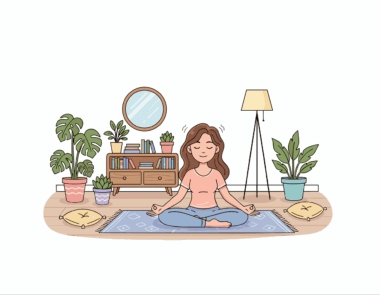
To effectively integrate yoga and Pilates into daily routines for mental health benefits, consider establishing a consistent schedule. Begin with short sessions, gradually increasing duration as comfort builds. It is important to select classes that specifically focus on mental health, emphasizing relaxation and mindfulness techniques. Online tutorials or local classes can both serve this purpose. Develop mindfulness by concentrating on your breath throughout the practices, connecting movement with each inhalation and exhalation. Setting an intention before each session can focus your mind, allowing you to engage more fully in the practice. Additionally, create a calming environment during practices by utilizing soft lighting, soothing scents, or calming music. This atmosphere can enhance relaxation and foster engagement. Keeping a journal of your experiences can also be beneficial, as it allows you to reflect on your progress and feelings over time. Additionally, involving friends in your practice enhances motivation and accountability. Sharing experiences can amplify emotional connections and create a supportive community around mental health. Simple strategies can enrich your practice while fostering motivation for continued engagement in personal well-being.
The Role of Community in Mental Health
Community plays a crucial role in both yoga and Pilates, serving as a source of support and connection for mental health. Participating in group classes fosters social interaction, alleviating feelings of loneliness and enhancing emotional well-being. The encouragement and camaraderie found within group settings allow practitioners to feel more supported in their journeys. As individuals share their experiences, they often realize they are not alone in their struggles. This realization can serve as a crucial part of healing and emotional growth. Moreover, group practices can enhance motivation, as individuals are more likely to attend classes regularly when they have a sense of accountability to their peers. In-person interaction facilitates deeper connections, and many find the communal aspect uplifting. Opportunities for constructive discussions about mental health challenges can further enrich these experiences. The mutual understanding within a supportive group environment fosters resilience and empowerment, enabling individuals to face various life challenges more effectively. Building relationships within this community creates a support network vital in maintaining mental health.
Mindfulness and Emotional Regulation
Practicing yoga and Pilates enhances mindfulness, which is critical for emotional regulation. Mindfulness encourages individuals to observe their thoughts and feelings without judgment, promoting better responses to stress and anxiety. During classes, practitioners learn to focus on their breath, which anchors them in the present moment and prevents overwhelming emotions from taking over. When faced with challenges, this ability to remain grounded allows for clearer thinking and better decision-making. It teaches self-compassion, helping individuals treat themselves with kindness in difficult situations. Developing this skill through regular practice can significantly enhance emotional resilience over time. Additionally, integrating mindfulness exercises into daily life reinforces emotional regulation, allowing individuals to better manage their reactions. Techniques such as visualization, meditation, or even simply practicing gratitude can deepen this practice. Challenges become opportunities for growth when approached mindfully, and this shifts one’s perspective toward a more positive outlook. Recognizing triggers and emotional responses empowers individuals to make healthier choices in their lives, ultimately cultivating a more balanced mental health landscape. Consistent practice of mindfulness reinforces the integration of these practices, enhancing the overall effectiveness.
Conclusion: A Holistic Approach to Mental Health
In conclusion, incorporating yoga and Pilates into daily routine offers valuable pathways for enhancing mental health. The blend of physical movement, mindfulness, and breathing practices create a supportive framework for mental clarity and emotional stability. Together, they provide tools for managing stress and anxiety, fostering resilience, and cultivating a deeper sense of self-awareness. Engaging with these practices encourages a proactive stance in one’s mental health journey, creating a foundation for long-lasting benefits. As individuals continue to explore and integrate these practices, they may discover new layers of personal growth and emotional intelligence. The journey of combining yoga and Pilates emphasizes lifelong learning and connection both to self and to the community. By making these practices accessible, individuals contribute to a more holistic understanding of mental health. This transformative approach not only nurtures the mind and body but encourages a supportive environment, pushing individuals toward achieving greater well-being. As you embark on this journey, remember to practice self-compassion, embrace your experiences, and celebrate your progress in this meaningful practice.