
Advanced Warm-up Protocols to Enhance Strength Performance
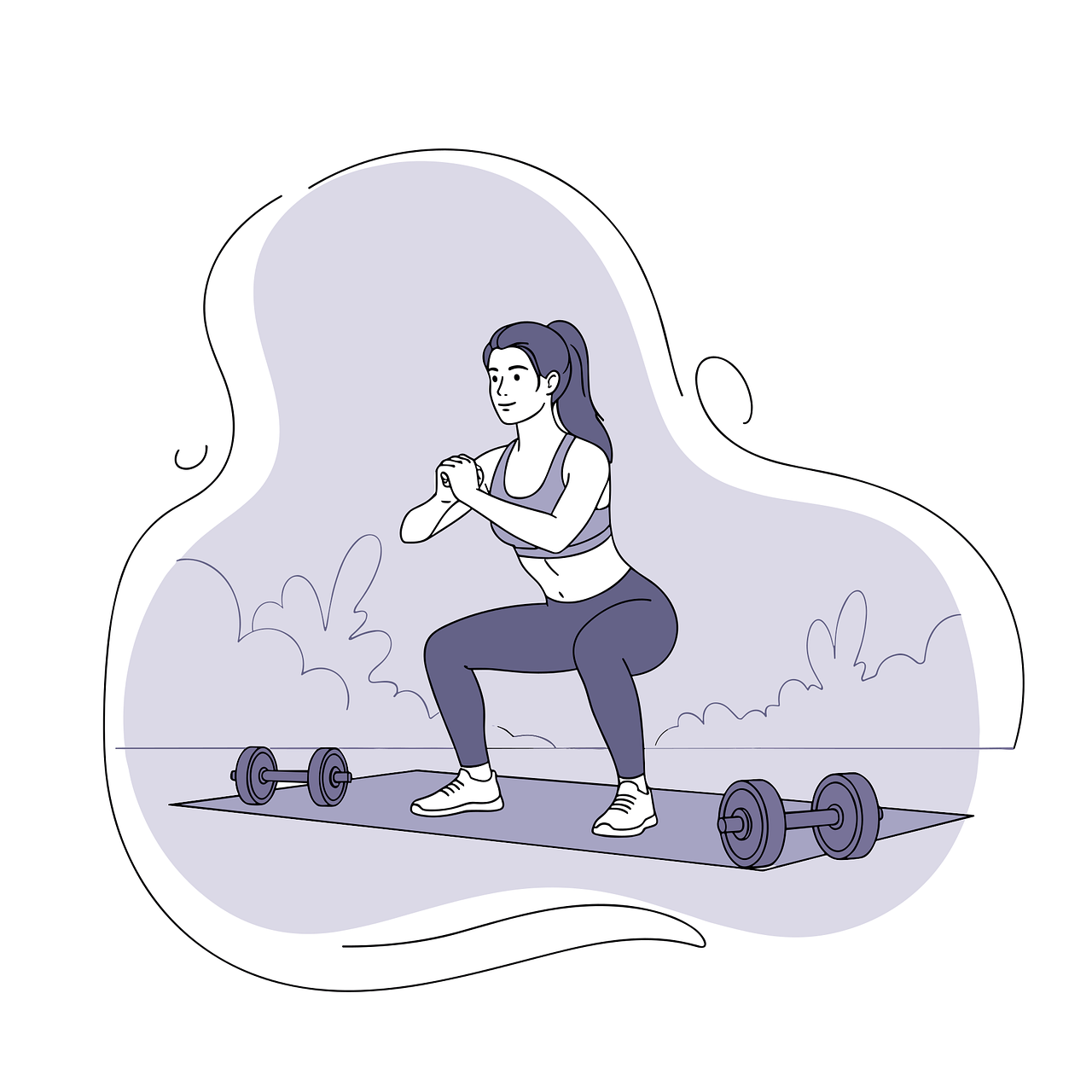
Strength training requires a logical and effective warm-up routine to prepare the body for intense physical activity. Before engaging in any lifting sessions, it is paramount to elevate body temperature and increase circulation to promote muscle readiness and joint stability. Dynamic stretching activities, such as leg swings and arm circles, serve as invaluable components of warm-up protocols. These actions not only enhance flexibility but also facilitate the function of the nervous system, which improves coordination. Moreover, incorporating specific movement patterns related to the lifts planned for the day can further prepare the muscles targeted during workouts. Movement preparation should include exercises that mimic the range of motion of your primary lifts. For instance, body weight squats can activate the lower body before heavier barbell work. Thus, combining dynamic warm-ups with sport-specific drills can optimize your performance. Without an adequate warm-up, athletes risk injury and may hinder their lifting capabilities. A systematic approach ensures each muscle group receives attention, reducing tightness and increasing readiness throughout strength training sessions. Implement these advanced warm-up techniques to maximize strength output and overall performance.
Another essential aspect of advanced warm-up protocols involves progressive loading techniques. This method calls for gradually increasing the intensity of exercises and the weights being lifted in initial sets before reaching working weights. Starting with lighter loads, athletes should perform 3-5 sets of their primary lifts, focusing on proper form and technique. This provides additional benefits such as enhanced neuromuscular activation and muscle priming, ensuring that the body is thoroughly prepared for subsequent heavier loads. Moreover, varying tempos and movement patterns during these initial sets fosters better motor learning and reinforces proper biomechanics throughout the workout. Significantly, the inclusion of accessory movements tailored to individual weaknesses can further enhance readiness. For instance, supplementary exercises targeting existing imbalances may provide strength gains in specific areas. Furthermore, monitoring fatigue levels throughout warm-up is critical; if athletes feel fatigued or experience discomfort, it may indicate the need for the warm-up to be adjusted accordingly. Ultimately, implementing these progressive loading strategies within warm-up protocols can significantly impact lifting performance, injury prevention, and overall training outcomes.
Mobility Work and Joint Health
Enhancing mobility is a critical consideration when designing effective warm-up protocols. Sufficient joint range of motion is necessary for optimal strength training performance. Dynamic mobility drills should be specifically selected to address individual limitations or restrictions in movement patterns. Foam rolling, hip openers, and thoracic spine mobility exercises can result in improved flexibility and pain reduction. When focusing on the lower body, incorporating exercises like lunging variations can facilitate hip mobility while simultaneously targeting quads and glutes. Additionally, equilibrium should be prioritized across all major joints to prevent imbalances, which can lead to injury over time. Furthermore, a comprehensive warm-up routine must include exercises that promote stability, especially for the shoulder joints and core. Activation movements, such as planks and band pull-aparts, can dynamically engage these areas, preparing them for the workload ahead. Practitioners should remember that warm-ups are individual-focused and need to address specific needs effectively. Therefore, continual assessment and modification of mobility work ensures athletes attain optimal movement quality prior to engaging in strength training.
Another integral part of a warm-up protocol is the incorporation of proper breathing techniques. Breathing mechanics can significantly influence core stability and overall movement efficiency. Focusing on diaphragmatic, or abdominal breathing, establishes a solid foundation for maintaining intra-abdominal pressure during strength training exercises. Athletes should practice controlled inhaling and exhaling during their warm-ups while incorporating essential movements such as deadlifts and squats. This technique helps to optimize spinal alignment and create a strong core that effectively supports heavier lifts. Furthermore, integrating breathing cues throughout the warm-up routine aids in reinforcing proper technique and preventing risk of injury. Additionally, as tension builds with heavier loads, awareness of breath control becomes especially vital. Athletes must learn how to stay relaxed while retaining muscle engagement throughout their sessions. Consequently, as warm-up protocols prioritize both physical readiness and mental focus, optimizing breath control enhances overall performance in strength training. Consistently applying breathing strategies within the warm-up phase establishes effective pathways for movement patterns that transfer into active lifting, thus amplifying efficiency and power.
Warm-up Duration and Timing
Successful warm-up protocols require consideration of duration and timing to enhance strength performance effectively. A recommended duration of 10 to 20 minutes allows sufficient time for muscle engagement and preparation. Although shorter warm-ups can induce a quick response, they may not provide adequate activation for optimal strength gains. Conversely, excessively lengthy warm-ups without focus may lead to fatigue before training begins. Athletic endeavors thus necessitate a fine balance between readiness and energy expenditure. Moreover, the timing of warm-ups should align with the training schedule, maximizing the benefits without compromising intensity. Coaches and athletes should observe fluctuations in body temperature and readiness levels, adapting warm-up protocols accordingly. For example, if a workout session follows a long rest period, the warm-up should incorporate a more extensive range of movements and drills to combat accumulated stiffness. Implementing these elements assists athletes in achieving a peak performance mindset, enhancing their capability to perform under pressure. In sum, understanding the nuanced aspects of timing and duration within warm-up protocols fortifies one’s overall strength training experience.
In addition to physical preparation, addressing psychological factors serves an essential role in advanced warm-up protocols. Mental readiness cultivates confidence among athletes, helping them approach their training sessions with positivity and focus. Utilizing visualization techniques during warm-ups can enhance concentration levels and set positive intentions for the workout. Likewise, incorporating affirmations or motivational quotes can elevate mood and foster determination to succeed. Moreover, ensuring proper warm-up routines align with individual preferences promotes consistency in training adherence. Athletes should identify which warm-up strategies resonate most with them, creating a routine that nurtures emotional well-being and self-efficacy. Importantly, the relationship between mental and physical readiness remains reciprocal; promoting psychological fortitude translates into improved physical performance. Engaging in mindful practices such as deep breathing, meditation, or gratitude journals enhances mental clarity and presence during workouts. Thus, integrating psychological conditioning in warm-up protocols strengthens the link between mental focus and performance capacity, leading to success in competitive and recreational strength training endeavors. By prioritizing psychological well-being alongside physical readiness, athletes can take their training to new heights.
Conclusion: Mastering Advanced Warm-up Techniques
In conclusion, mastering advanced warm-up protocols significantly impacts overall strength training effectiveness. Each of the discussed components—from dynamic stretching to mobility work, breathing techniques, and psychological strategies—constitutes a comprehensive warm-up essential for any serious lifter. These elements collectively foster an optimal physical and mental environment for training, creating a pathway for success. As athletes refine their warm-up protocols, they should remain attentive to individual requirements and continuously adjust practices based on progress. Regular evaluation of strength performance can enhance the efficacy of warm-ups and help identify weak areas needing focus. Furthermore, incorporating new drills or variations keeps the warm-up fresh and engaging over time. Education on proper warm-up strategies becomes fundamental for coaches, trainers, and those struggling with maintaining consistency. By prioritizing advanced warm-up techniques, individuals can minimize the risk of injury, improve strength results, and expand training longevity. Ultimately, taking the time to invest in thoughtful and structured warm-up protocols sets a positive tone for strength training, propelling athletes towards continuous improvement and success.
Utilizing effective warm-ups not only elevates performance but also creates an environment conducive to growth and development.