
Adapting Yoga for Different Body Types
Yoga is a versatile practice, offering a pathway to awareness and flexibility. However, understanding how to adapt yoga for different body types is essential. Each individual possesses unique physical attributes that can influence their experience in yoga. The key is to listen to your body and find poses that work best for you. Some bodies may require modifications of certain postures, while others may embrace deeper stretches. Incorporating props such as blocks, straps, and blankets can enhance each postures’ effectiveness. Flexibility plays a vital role in how poses are executed and understood. For instance, those with more muscle mass may find it challenging to reach certain positions while others with nominal muscle might easily find comfort in various postures. This encourages the exploration of different modifications and adaptations to support personal practice while preserving alignment and safety. Engaging with a qualified instructor is beneficial as they provide personalized tips that cater to your requirements. Also, focusing on breath control will help refine your practice while soothing the body and mind. Approaching yoga with an open mind allows self-discovery and growth on the mat, regardless of shape or size.
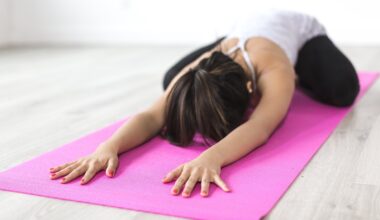
Within the realm of yoga, recognizing diverse body types leads to a more inclusive practice. Each body represents a unique set of challenges and strengths requiring acknowledgment. For example, a person with a larger frame may prefer grounding poses like Mountain Pose or Child’s Pose, which provide stability. In contrast, a person with a leaner build may excel in poses that increase flexibility, enhancing their practice. Sun Salutations can be tailored for all, with variations implemented to suit each participant’s level of comfort and skill. Strive to practice poses while respecting your body’s limits, avoiding strain or pain. Listening to physical feedback is fundamental and understanding modifications like using wider stances or adjusting arm lengths are beneficial. Props, as mentioned earlier, provide an excellent means for enhancing stability and strength, giving each individual an opportunity to explore asanas in depth. This doesn’t only save energy but facilitates deeper understanding of alignment. Join in community classes devoted to different body types to witness varying approaches and adapt methods shared by fellow practitioners. In these spaces, you’re not only learning about yoga but embracing the journey together, fostering a supportive atmosphere filled with encouragement.
Exploring Poses for Everyone
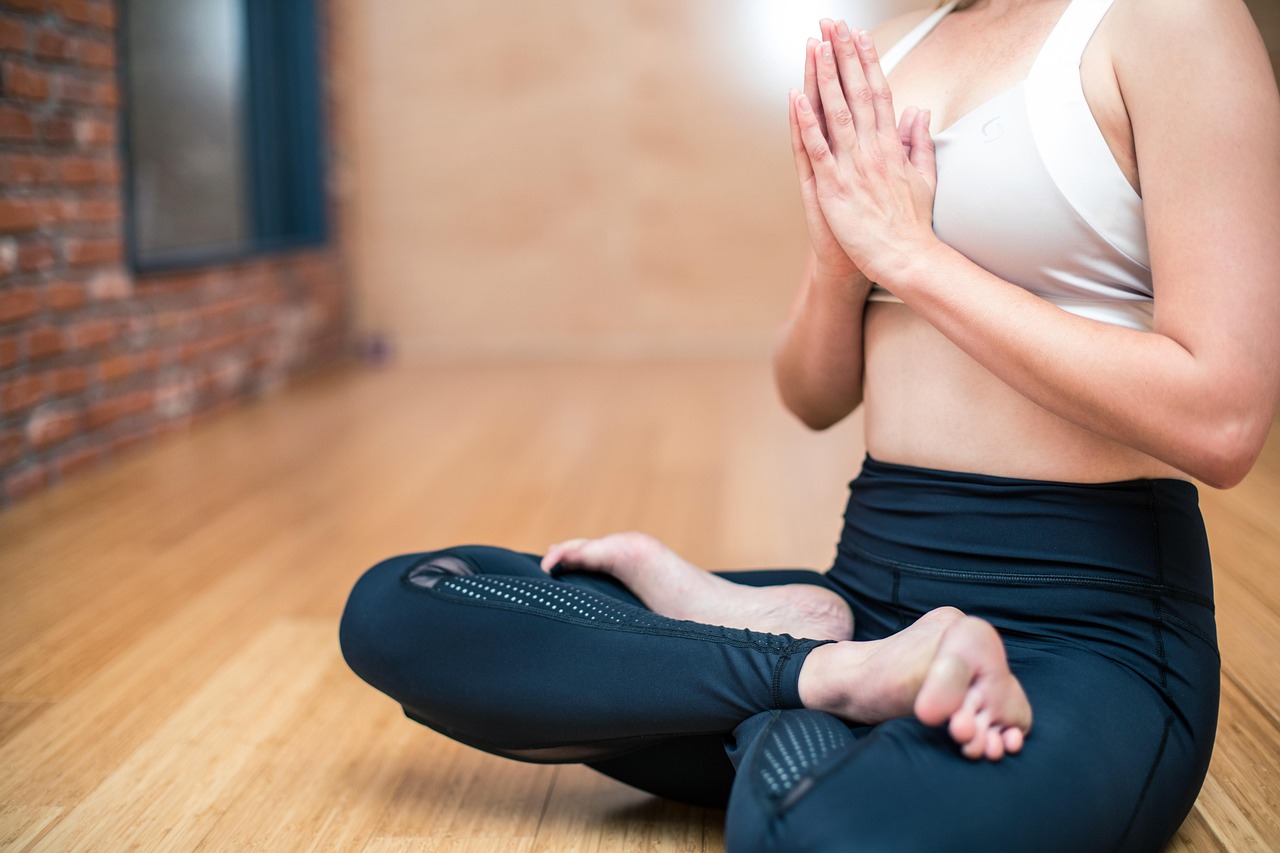
Individual body types influence not just the ability to perform yoga, but the approach toward specific poses. With the right adaptations, everyone can embrace yoga. For instance, Downward Facing Dog might be modified with knees bent or heels lifted off the ground for those who find discomfort in the full posture. On the other hand, individuals with long limbs may find certain stretching postures easier to achieve. When practicing seated poses like Sukhasana, using cushions can elevate the hips, making it more accessible for wider hips or limited knees. Consider the Tree Pose, which can also be modified by keeping the foot on the ankle rather than on the thigh if balance is challenging. Alternating between these adaptations can help cultivate strength and confidence in various postures. Practitioners should focus on finding their stability, recognizing progress with continued practice. Conduct research on what adjustments are best for their unique body type, with guidance from teachers or community resources. Engaging with fellow practitioners can also reveal helpful tips and tricks that resonate with individual journeys and comfort levels in yoga.
Furthermore, being aware of body alignment is crucial for safely adapting postures. Understanding how your body aligns within asanas leads to a more authentic practice for all. Some may find it useful to take a video during their sessions to self-evaluate and align better. For wider stances, ensuring your knees do not extend beyond your toes during poses like Warrior II is paramount. Such adjustments not only enhance stability but decrease injury risk. Engage your core as supportive muscle groups create a stronger foundation for each muscle action. For people with limited flexibility, regularly practicing gentle stretches primarily at home encourages an effective, gradual increase in flexibility. Additionally, methods like Yin Yoga or Restorative Yoga emphasize long-held postures that help promote relaxation, ideally suited for those learning to adapt. These styles promote deeper breathing patterns and patience, inviting individuals to discover deeper connections with their bodies, irrespective of style or ability. Therefore, it’s essential to embrace this holistic journey and appreciate the gradual evolution of personal practices in yoga.
Mindfulness in Each Pose
Mindfulness is a foundational component of yoga that should not be overlooked while adapting for different body types. Connection to your breath and mental clarity enhances the quality of your practice. When flow and movement become aligned with breath, each pose transforms into a holistic expression of self. For various body types, incorporating adjustments should not disrupt this connection. During stretching poses, encourage awareness of sensation while moving with breath. This transition allows individuals to grasp deeper levels of understanding and energy flow. One can focus on full inhales and deep exhales, fostering a mindful attitude towards each movement. When awareness envelops one’s practice, individuals can easily observe how specific adaptations lead to more balanced energy throughout the body. Incorporating this mindful approach into adjustments can effectively refine your postural executions. These explorations will, in turn, promote compassion towards oneself and the practice of yoga as a whole. This mindful engagement fosters acceptance of all body types, openly encouraging differences and celebrating unique journeys. Engaging in community sessions promotes shared experiences that enhance mindfulness while deepening connections between practitioners.
Paying attention to dietary habits can also benefit your yoga practice, regardless of body type. Nutrition is an integral part of maintaining overall wellness and maximizing performance during yoga sessions. A well-balanced diet contributes to energy levels, aiding in flexibility and stamina. Certain foods, such as fruits and vegetables like bananas and spinach, help maintain muscle strength and endurance. Likewise, staying hydrated is crucial, ensuring muscle function and recovery during practice. Adapting meals pre- and post-yoga can play a significant role in performance. Consider consulting with a nutritionist to help identify what works best for individual body types and activity levels. Encouraging mindful eating habits contributes to a holistic approach, fostering mindful aspects even outside asanas. By developing healthy lifestyle choices, participants can enhance their capabilities on the yoga mat. This connection between food, health, and yoga encourages self-awareness beyond physical postures, reflecting overall wellness. Sharing recipes and meal ideas during community activities introduces beneficial habits among fellow practitioners, collectively encouraging the pursuit of healthier choices and daily practices that support all body types in yoga.
Conclusion
In conclusion, adapting yoga for different body types enhances inclusivity and fosters a fulfilling experience. Embracing individual differences encourages everyone to explore their unique journey within yoga practice. Through understanding one’s abilities and limitations, each practitioner can tailor their experience while nurturing a deeper connection to oneself and others in the community. Celebrating diversity in body shapes creates an environment of empowerment and support, allowing practitioners to connect in shared experiences. Modifying poses provides access to those new to yoga while establishing a space where everyone feels represented. Viewing yoga as a progressive journey allows all individuals to cultivate strength, flexibility, and mindfulness, irrespective of their physical form. It is essential to approach every session with compassion for oneself, surrendering to the flow of various asanas. Eventually, this exploration goes beyond postures, encouraging broader life lessons impacting emotional and mental wellness. Keep practicing with an open heart while honoring your journey and those around you. Sharing your experiences inspires others, fostering a nurturing community committed to inclusivity. Remember, your yoga journey is uniquely yours, and adapting it to suit your needs is a beautiful part of embracing this practice.
As a final note, always remember that the journey you undertake through yoga is personal. Each individual’s experience offers a variety of insights into body communication and adaptability. Being flexible in both attitude and physical practice allows the exploration of countless opportunities, transcending limitations one may initially perceive. Encourage friends and family to join you on this path, establishing a sense of community that thrives on shared encouragement. Manage expectations accordingly, understanding that yoga is not a one-size-fits-all approach. Instead, it reflects a mosaic of practices where everyone shines brightly in their own right. Consider documenting your progress, noticing how your body evolves during versatile practices. Celebrate small achievements, as these collectively contribute to your overall growth. Dive deeper into the wisdom your body offers, revealing what feels right throughout your journey. With every session, focus on uniting breath and movement, discovering enjoyment in the process. Ultimately, yoga nurtures your spirit while allowing you to adapt to your unique physical landscape. Embrace the intricate dance of flexibility and strength; after all, your journey matters, and adapting is part of what makes it extraordinary.