
How to Identify and Avoid Hazards in Skate Parks
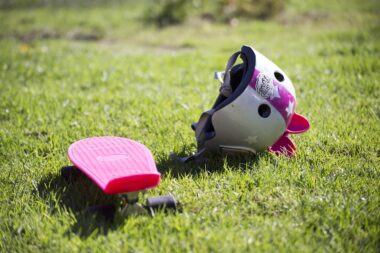
Skateboarding can be an exhilarating activity, but safety must always come first. One of the essential ways to enjoy this sport is to familiarize yourself with the skate park layout and its surfaces. Noticing any cracks, loose tiles, or uneven surfaces can save you from serious injuries. Always inspect rails, ramps, and ledges for maintenance issues, as these could pose significant hazards. Skate parks often cater to various skill levels, so make sure to choose areas appropriate for your abilities. If the park is busy, keeping an eye on surrounding skaters helps prevent collisions, which are common hazards. In addition, utilizing protective gear including helmets, knee pads, elbow pads, and wrist guards is crucial. Taking these precautions diminishes risks significantly. Always be aware of your limits and skate within your skill level, progressing gradually. Start with smaller ramps before attempting larger ones. This approach gives you time to develop your balancing ability and confidence. Ultimately, increasing awareness leads to a safer and more enjoyable experience for everyone. Understanding basic skateboarding safety tips can significantly enhance your time at parks.
Continuing with safety tips, one effective strategy is to observe how others are skating in the park. Watch the experienced skaters; understanding their movements can provide valuable insights. Pay attention to their placements and focus on tricks that align with your skill set. Additionally, familiarizing yourself with skateboarding etiquette will go a long way in ensuring a safe environment for everyone. Always take turns when using ramps and avoid hogging space. This consideration allows more skaters to practice simultaneously, fostering a community spirit. In terms of hazards, be cautious of wet surfaces. Rain can make ramps incredibly slippery, increasing the danger significantly. Avoid skating on these surfaces until they dry completely. Furthermore, stepping away from areas where other skaters are practicing tricks can minimize risk. Invest time in choosing the right footwear tailored to skateboarding; it can enhance grip and stability. Communication is also vital. If someone is about to attempt a challenging trick, signal it to others around, alerting them to be ready. Remaining vigilant and respecting others fosters a safe atmosphere in the skate park for all patrons.
Planning your visits wisely is another practical approach to avoiding hazards. Aim to visit parks during less busy hours to reduce the likelihood of collisions with others. It is essential to understand park rules as each facility may have specific regulations. Checking weight limits on ramps will ensure safety while maneuvering while skating. Additionally, always have a buddy system in place. Having friends or fellow skaters allows for a lookout and makes for a safer practice environment. Before attempting any new tricks, practicing the fundamental ones helps build confidence. Some raises may seem appealing but might be hazardous if attempted without prior skills. Take time to develop your skills progressively, using mirrors or videos to evaluate your technique. This reflection allows you to recognize areas that need improvement. Lastly, when learning new skills, being patient and understanding that progress takes time helps in minimizing risks and preventing injuries. After a session, take time to cool down and stretch—a key component of injury prevention. Prioritizing safety through planning will help you enjoy skateboarding without unnecessary fears.
The Importance of Supervision
For younger skaters, ensuring adult supervision cannot be emphasized enough. Parents or guardians should carefully observe their child’s actions in the park. Offering guidance during practice sessions and noting hazardous areas sustains a safer skating environment. New skaters often overlook risks because of excitement, making supervision vital. If you see children skating without supervision, kindly remind them to seek adult assistance. Emphasizing good behaviors while skating is paramount in developing safe habits. Teaching them about protecting not only themselves but also others matters significantly. Highlight respect among skaters; everyone shares the park, which can be chaotic at peak times. Ensure children understand the importance of wearing protective gear and practicing low-risk tricks initially. Pumping skill development into young skaters forms responsible and cautious adults. Parents are also advised to educate their children on safe equipment disposal, ensuring broken items don’t become hazards. Moreover, keeping skateboards secured when not in use prevents accidents. Proactive involvement in setting a good example lays the foundation for responsible future skaters. Encouraging communication about fears or challenges while skating can assist in understanding and addressing potential hazards before they escalate.
In terms of maintenance, regular attention to park surfaces is integral for safety. Municipalities should prioritize park upkeep to minimize risks for skaters. Damaged ramps and equipment can lead to severe accidents, highlighting the need for consistent maintenance schedules. If you notice a hazard, be sure to report it to the park management. Providing detailed descriptions assists them in addressing issues more adequately. Having a park maintenance crew regularly inspect and repair surfaces ensures that hazards are promptly eliminated. More importantly, waste disposal facilities should be adequately placed around parks. Broken glass or trash poses extreme risks; skaters should always carry bags for their waste. By ensuring parks remain clean and well-maintained, accidents can be significantly reduced. Additionally, understanding local laws can prevent misunderstandings or conflicts regarding park usage, particularly when out-of-town skaters visit. Encouraging a clean environment not only benefits you but everyone using the facility. Therefore, fostering communal efforts through maintaining and flagging hazards solidifies safe skate parks. These consistent behaviors contribute greatly to the overall success of safety practices in the skateboarding community.
Staying Educated and Aware
Knowledge about skateboarding safety is continuously evolving, making it paramount to stay informed. Various organizations and skateboarding communities frequently release new guidelines and resources, promoting safe practices. Following them via social media or subscribing to newsletters can keep you updated. Attending workshops or sessions held in local parks can dramatically enhance one’s ability to identify risks. Utilize technology by engaging with apps designed for skaters. Such applications often provide valuable insights about local safety concerns and highlight updates regarding hazards. Additionally, interacting with more experienced skaters can reveal information about their past encounters with hazards. Learning from others’ experiences is a powerful resource when developing your skating technique. Understanding the potential risks associated with new skateboarding trends can also assist in making safe choices. Online videos showcasing trick tutorials accompanied by safety information can educate skaters effectively. Furthermore, gathering feedback on skate park layouts can contribute to improvement suggestions from the community. Inform local park managers of areas needing adjustments, making a difference in the skating environment effectively enhances safety standards for all users. As you skate, always prioritize learning and adapting knowledge actively.
Finally, mindfulness and self-awareness while skating contribute significantly to safety. Always remain conscious of your surroundings; scanning for potential hazards, including other skaters or obstacles, greatly enhances your safety. Ensuring you’re in tune with your body provides insight into when to push limits or take a break. Fatigue can lead to lapses in focus, resulting in accidents. Understanding your personal limits and recognizing when to walk away is crucial. Develop strategies for overcoming fear; this self-management prevents panic or rash decisions. Always take breaks, hydrate, and mentally prepare before attempting more challenging tricks. The skate park exists to provide fun and growth, yet a healthy balance ensures that fun does not lead to injuries. Moreover, if you feel overwhelmed, seek advice from experienced skaters on strategizing your practice sessions. Incorporating safety and mindfulness solidifies a foundation for enjoyable skateboarding. Celebrate small achievements while respecting the sport’s potential dangers. Join forces with fellow skaters to create a welcoming atmosphere—your actions inspire a cooperative community. Remember that safety isn’t just an individual responsibility; everyone plays a role in making parks secure for all enthusiasts.
As we wrap up, remember that skateboarding safety involves multiple aspects. Understanding hazards, maintaining the skate park, and encouraging respectful behaviors are all pivotal in fostering better environments for every skater. By adhering to the tips outlined and advocating for a cooperative atmosphere, enthusiasts can greatly minimize risks. Constantly learning and being educated on new practices enhances individual capabilities while ensuring safer experiences. Therefore, every time you visit a skate park, reflect on how you can contribute positively. Remember, a culture of safety promotes the joy of skateboarding, making it an enjoyable activity for generations to come.