
Adapting Your Rowing Plan for Different Water Conditions
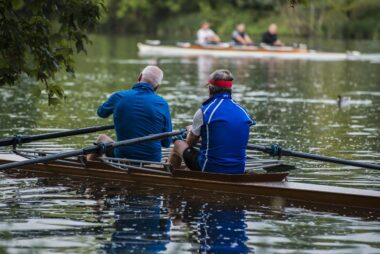
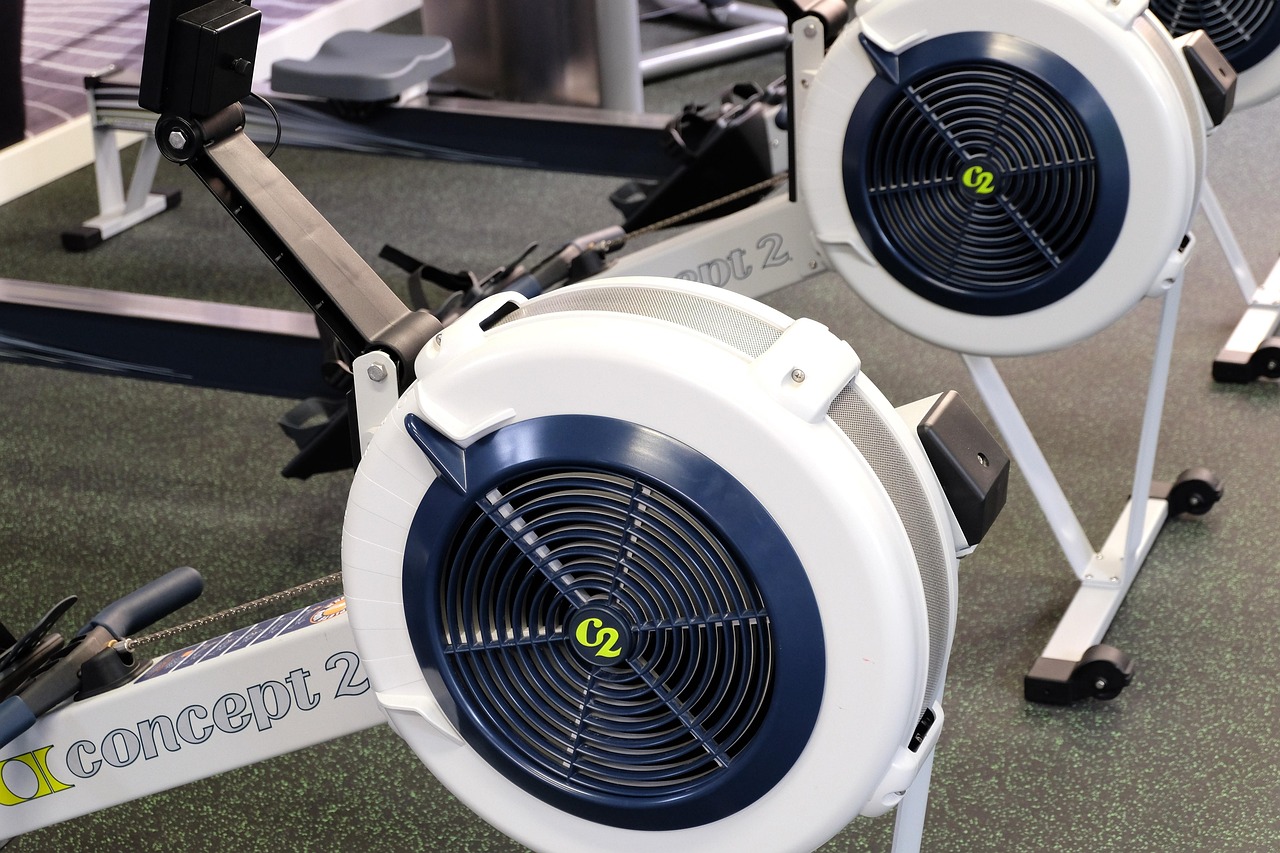
Rowing is a sport that demands adaptation across various conditions, with water quality being a primary factor. Whether you’re on a calm lake, a flowing river, or in open water, your training plan must reflect these differences. Selecting the right technique significantly depends on water conditions. Thus, understanding factors like current strength, wind speed, and water temperature become essential for effective training. A solid rowing plan includes a thorough assessment of these elements. Incorporating drills that practice adjusting to varying water conditions enhances both skill and confidence. A crucial element is the use of a rowing machine to simulate these challenges. Use your rowing machine to adjust resistance and pace to reflect your typical water conditions. Additionally, vary your training locations whenever possible to gain real-world experience in diverse conditions. As part of your plan, schedule time for outdoor practices during adverse weather to simulate competitive conditions. Regular exposure to wind and light chop helps in developing stronger rowing techniques that adapt naturally to challenges faced in actual races, thus making your training session more productive.
Modification for Calm Waters
Calm waters are ideal for rowing as they provide a steady surface for practice. In these conditions, focus on perfecting your stroke technique and power output is crucial. The smooth surface allows for the development of a solid base, which is vital for competitive rowing. Utilize this environment to concentrate on form, cadence, and breathing patterns. A good drill for calm waters involves practicing different stroke rates and experimenting with your timing. This allows you to find your optimal rhythm, which is often key to achieving effective performance. Include intervals that target power bursts, helping to build endurance as well. Here, the absence of external distractions, like waves and currents, fosters clarity in learning. You may also implement drills that simulate race conditions to enhance mental preparation. During calm days, try to increase your distances gradually while maintaining focus on efficiency. Incorporating competitive drills alongside your crew drives motivation and collaboration. Combining technique drills, endurance challenges, and competitive elements ensure that you maximize your potential when rowing in ideal conditions.
When transitioning to more challenging water, such as rivers with currents, modifications to your rowing plan become essential. Current can dramatically affect boat speed and maneuverability, creating the need for strategic adaptations in your approach. Training sessions here should focus on developing the optimal techniques required for navigating against or with the flow. Strengthening your awareness of the current direction and strength is crucial. Practice drills that enhance your reaction times, particularly how to adjust your strokes in response to shifting conditions. This could involve sprinting against the current and then adapting for downstream drills. Additionally, working on body positioning is essential, as wind resistance becomes a factor when facing currents. Ensure to include exercises that enhance your core strength, which aids in stabilizing the boat. These techniques will help maintain balance and steering. Always listen to the experienced rowers and your coach for personalized feedback. Finally, having a buddy system in river training enhances safety and performance. The collaboration will bring out timely corrections, ultimately helping everyone improve under turbulent conditions.
Techniques for Windy Conditions
Rowing in windy conditions presents unique challenges and adaptations that are vital for a successful outing. Wind direction and intensity can directly impact your technique and focus during your exercises. When faced with robust winds, prioritize maintaining a stable posture within the boat. Use lower gears with a higher stroke rate; the lower resistance makes it easier to handle increased external forces. Ensure the boat’s bow points directly into the wind; this helps to minimize drag and resistance. Implement drills specifically designed to build resilience in adverse winds. Consider incorporating techniques such as quick pause drills to focus on precision. These drills reinforce your control while requiring bursts of strength to adapt to gusts. Moreover, practicing stroke variations will help in learning adjustments needed in power application based on wind influences. Balance should be a focal point in your sessions; practicing turning in winds can enhance your maneuverability. Don’t hesitate to shift position in the boat if needed to counterbalance heavy gusts effectively. By incorporating wind-specific strategies, your adaptation will ultimately empower sustainable performance during tough weather.
Training during turbulent water conditions is essential for fostering resilience and adaptability within rowing. Adverse conditions such as waves and choppy surfaces challenge rowers to modify their technique aggressively. By focusing on your balance, you can improve performance in such unpredictable environments. It’s crucial to develop the ability to adjust stroke length and frequency based on the wave height. Practices should include techniques for powering through waves while maintaining a straight course. Engage in drills that emphasize stability, shifting your center of gravity appropriately. It helps to build strength and improve agility when navigating through choppy waters effectively. Consider arranging paired practices where one rower focuses on stroke technique while the other steers to maintain stability amid challenges. Also, incorporating high-intensity interval training can acclimate your body to sudden demands placed during roughwater challenges. Emphasize communication with your crew; a synchronized team is essential to responding seamlessly to the water’s unpredictable nature. Finally, always wear personal flotation devices during these trainings for safety; understanding that safety measures allow for better focus on performance under pressure is vital.
Utilizing Technology in Training
Technology has become a crucial aid in adapting rowing plans, especially regarding water condition variations. Employ rowing software and apps that analyze performance metrics and environmental factors. Using data analytics provides actionable insights into how weather influences your rowing. Recording weather conditions and monitoring them through these technologies fosters informed decisions before training sessions. Coordinate with coaches to assess these metrics, creating personalized adjustments to your regimen based on the data. GPS devices and heart-rate monitors can also track your performance while navigating different water conditions. This instantaneous feedback allows for timely modifications during training sessions, enhancing overall adaptability. Additionally, video analysis can be a powerful tool in refining techniques based on specific conditions. Analyzing videos not only brings visibility to your form but also aids in understanding how environmental factors impact your strokes. Consider utilizing online platforms that allow collaboration with other rowers for sharing insights on technique adaptations. Being part of a rowing community can lead to collective growth and help everyone tackle challenges encountered in changing water conditions more effectively.
Ultimately, the key to successful adaptation lies in building a flexible training plan. Create a balanced regimen that includes physical conditioning, technique sessions, and mental readiness exercises. It is vital to understand that different water conditions foster unique skill sets, enhancing overall competencies. Make sure to allocate specific training days for each type of condition. This approach ensures a targeted skill set development that prepares you for diverse situations encountered in competitive rowing. Furthermore, discuss and adjust your plan with coaches regularly, ensuring you optimize training sessions per evolving conditions. As conditions change with seasons and weather patterns, adapting regularly will keep your progressing goals aligned with your development. Be prepared to switch to alternative training methods, such as land-based workouts or simulator drills, when unfavorable conditions arise. Remember that safety is paramount; in particularly harsh environments, reassess when to train or alternate with indoor activities. Consistency, flexibility, and a willingness to adapt make for resilient rowers, ultimately leading to superior performance across diverse scenarios. Your training should not just prepare for a race; it should cultivate adaptive champions.
.