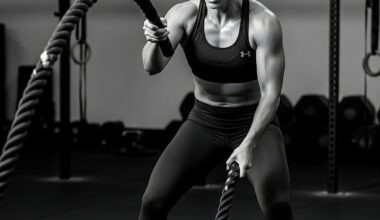

Posture Correction Techniques for Enhancing Self-confidence
Good posture is essential for physical health and mental well-being. By maintaining an upright posture, individuals can positively influence their self-esteem and confidence levels. When you sit or stand tall, it automatically affects your body language, making you appear more approachable and assertive. You can incorporate various techniques into your daily routine to promote better posture. Firstly, be mindful of your body alignment while standing and sitting. Your ears, shoulders, and hips should align vertically. Secondly, strengthen your core muscles with targeted exercises, such as planks or bridges. Strong core muscles support your spine and help you maintain an efficient posture. Finally, consider using ergonomic furniture, which can reduce strain and help implement an excellent posture naturally. The combination of conscious efforts and supportive tools leads to a solid foundation for enhancing your self-image and confidence. Begin your journey towards better posture today by integrating these techniques daily. The results may surprise you, not only in your physical appearance but also in your mental health and self-esteem.
Next, let’s explore various low-impact exercises to promote posture improvement. Exercises focusing on stretching the chest and strengthening the back can yield excellent results. The chest muscles tend to tighten from prolonged desk work, leading to slumped shoulders. To counteract this, implement stretch exercises like doorway stretches and cat-cow stretches. These stretches can loosen up tight areas and allow for better fluidity in movement. Additionally, include back-strengthening exercises such as rows and reverse flys, which can engage the postural muscles directly. Improved posture can result from committing to these exercises at least three times a week. They will not only help you stand taller but also enhance your overall confidence. Expect to feel a change in both your energy levels and your willingness to engage with others. An effective routine may include both stretching and strengthening workouts in rotation. These alternating routines build versatility and adaptability in handling your daily tasks while encouraging better posture. As your posture improves, you may notice enhanced mental clarity and focus in your professional and personal life. Giving attention to your body’s alignment can create a profound shift in self-perception.
Mindfulness and Posture Awareness
Another technique for enhancing self-confidence through posture is mindfulness practice. Integrating mindfulness into your routine allows you to become more aware of your body and how you carry it throughout the day. Through practices such as yoga or tai chi, you can foster a deep connection between your mind and body. Becoming conscious of your stance during these practices helps reinforce positive posture habits. While engaging in mindfulness, pay attention to how changes in your posture may impact your emotions and thoughts. Not only does this enhance mental health, but it also helps cultivate self-awareness and confidence. Consider adopting a mindfulness practice that includes posture checks, even during mundane activities like walking or sitting at your desk. You could create reminders to check-in with yourself, ensuring you remain present and aligned. This consistent reinforcement will improve your overall posture and allow for greater comfort and confidence when interacting with others. Mindfulness offers a myriad of benefits; cultivating a habit of good posture can enhance both physical health and emotional balance, positively affecting your self-image.
Additionally, visualization techniques can profoundly impact your posture and confidence levels. When you visualize yourself standing tall and confident, your body often responds accordingly. This mental rehearsal aligns your intentions with your physical actions. Imagine entering a room and how your confident posture affects the perceptions of others. A powerful visualization practice might include closing your eyes and picturing a confident persona—relaxed, composed, and upright. By consistently practicing this technique, you condition your brain to associate good posture with confidence. Creating specific affirmations can also enhance this practice; for example, repeating statements such as “I stand tall and confident” can reinforce the connection between your mindset and physical alignment. As you go about your day, remember to take long, deep breaths to further ground yourself. Breathing deeply can help you maintain better posture while simultaneously increasing feelings of calm and self-assuredness. Over time, these practices may lead to significant changes in how you perceive yourself and how others perceive you in social situations.
Ergonomic Adjustments for Workplaces
Making ergonomic adjustments in your workspace can significantly impact your posture and, consequently, self-confidence. The environment you work in plays a crucial role in how you hold yourself. Start by ensuring your chair supports your lower back and encourages an upright position. Ideally, your feet should rest flat on the ground, with your knees at hip level. If necessary, invest in adjustable desks or ergonomic accessories that promote better alignment. Screen height also matters; ensure it’s at eye level to prevent your head from leaning forward, which can strain your neck and back. Moreover, incorporate regular breaks to stand up, stretch, and change positions throughout the day. Use this time to practice posture checks, reminding yourself to stand tall. Establishing a productive routine enriches both your mental state and physical health. Additionally, consider creating a workspace that inspires positivity through decorations or plants, contributing to a positive mindset and enhanced outlook. Your workplace can be a powerful ally in fostering the self-confidence needed to tackle daily challenges and excel in personal endeavors.
In conclusion, fostering a mindful approach towards posture correction not only enhances physical health but also uplifts mental wellness. To realize lasting change, you must commit to integrating various techniques into your daily life. Begin by being mindful of your body alignment, engaging in strength exercises, and practicing mindfulness. Each of these elements provides a solid foundation for developing better posture, which directly influences self-confidence. It’s essential to remember that these changes take time; celebrate small victories as you progress. Reflect on your journey and recognize the importance of self-compassion while working towards these goals. Engaging in supportive communities, whether in person or online, can provide encouragement and accountability. Share your experiences and challenges with others, promoting a culture of shared growth. As you enhance your posture and self-image, you may find that your relationships and opportunities in life can also improve. Encourage those around you to embark on similar journeys, fostering an environment of positivity and growth. By valuing both your posture and mental health, you pave the way for a more confident and fulfilling life.
Consider seeking professional guidance if you’re struggling with implementing posture correction techniques. Professionals, such as physical therapists or trainers, can offer tailored programs suited to your needs and goals. They can assess your unique challenges and recommend strategies to improve your posture effectively. Moreover, participating in group classes—such as yoga or Pilates—allows you to learn alongside others while receiving guidance to enhance your form. Embrace the journey of improving your posture as one of self-discovery. As you explore various methods, remain patient with yourself and prioritize consistency over perfection. By staying committed to your growth, you will foster a supportive relationship with your body and mind, leading to long-term benefits. Focus on the progress made rather than solely on outcomes, as this will reinforce motivation and resilience. As you witness improvements in your posture over time, you may start to notice the significant influence on your self-confidence and mental health. Always remember that adopting new habits takes time and dedication, but the journey you embark upon will be well worth it for your overall well-being.