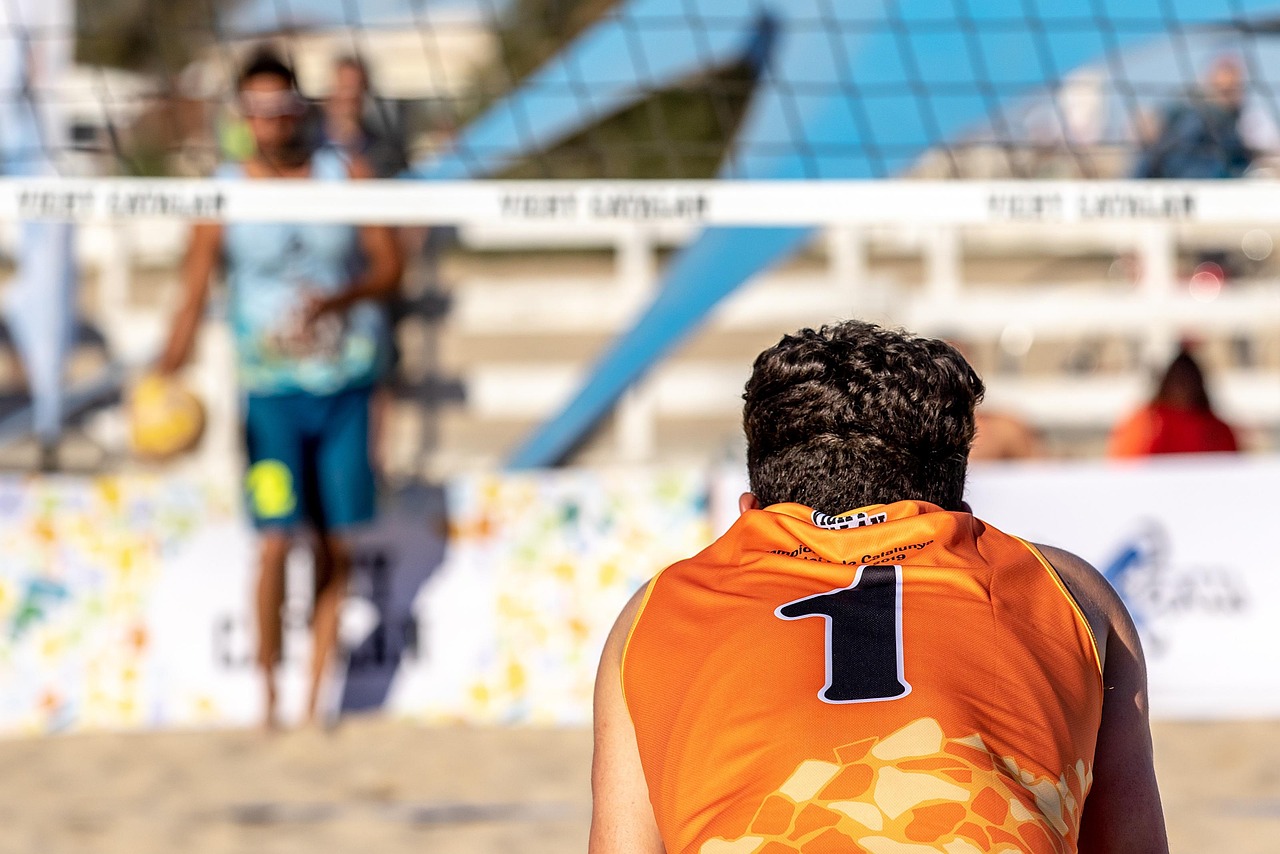

Footwork Drills to Enhance Your Volleyball Passing Skills
Footwork is crucial in volleyball, especially for passing techniques. Good footwork improves your positioning and sets you up for success. Start by placing yourself in an ideal stance, feet shoulder-width apart. This base allows for greater balance and agility. Drills like lateral shuffles can enhance this footwork. While practicing, focus on how your feet move together, angling them toward the ball for optimal positioning. Setting up a cone course can improve your reaction time and speed. Move from cone to cone, ensuring you set up properly for each pass. Consistent practice of these movements will help greatly. Effective communication with teammates during practice drills can also improve footwork. Inform others about your movements. Regular on-court drills, where players call out scenarios, forces you to adapt quickly, shifting your weight and moving your feet fluidly. Lastly, don’t forget to incorporate agility exercises, which play a key role in developing quick footwork. Exercises such as ladder drills will enhance these abilities further, making you a more dynamic and effective player when passing. Consistent drills lead to improved game performance and confidence on the court.
Another effective series of drills is the “V” drill, which focuses on foot movement and passing accuracy. In this drill, form a “V” shape with players positioned at the points. Start with one player passing the ball to the next while moving in a fluid motion, steering your feet toward the target. After mastering this drill, perform it with varying speeds and ball placements. This exercise sharpens your ability to adjust your footwork in real-time. Additionally, practicing the “circle” drill can improve overall passing and foot flexibility. Set up players in a circle, with one player in the center receiving passes from the circle’s players. This scenario requires constant foot movement, encouraging both agility and awareness. Adjust transitions quickly while getting in position for the ball ensures your passing is accurate and controlled. Regular training with this drill will lead to better understanding of spatial awareness during matches. Moreover, add repetitions to your training sessions for increased stamina. By consistently working on footwork and passing, you create a pathway for success on the court. Remember, solid techniques often translate into improved game performance.
Shadow Passing Drill
The shadow passing drill is an innovative way to develop passing skills without needing a ball. Begin by mimicking the passing motion as if a ball is coming toward you. Focus on foot placement, weight transfer, and follow-through on your motion. Enlist a partner to observe your movements and provide feedback. This drill emphasizes proper body positioning and ensures you are always prepared to react. With each practice session, imagine the flow of the game, analyzing how each step correlates to the actual play. Additionally, implement changes in direction to heighten your agility. Change your angles while maintaining proper passing stance and movement. After mastering these techniques, try including simulated opponents who might disrupt your rhythm. This added challenge keeps your reactions sharp. Practicing this drill frequently can significantly boost your passing skills during actual games. You will notice an increase in speed and accuracy when facing real gameplay situations. These muscle memory exercises reinforce the importance of footwork. As you become adept, passing the ball during the game will feel second nature, contributing to overall team success.
Incorporating video analysis into your training can also provide insights into your footwork and passing techniques. Record practice sessions and analyze your movements with a coach or teammate. Pay attention to foot placement—are you quick to adjust when the ball is set? Discuss ways to optimize your positioning on the court. This analytical approach emphasizes learning from mistakes. It’s essential to identify common footwork problems, which can drastically alter gameplay. Focus on the positioning of your feet concerning the net and your teammates. Developing a keen eye for detail regarding your footwork will pave the way for increased accuracy and effectiveness in game scenarios. Combine this analytical work with the drills mentioned earlier to create a comprehensive training strategy tailored to your needs. Also, practicing visualization techniques can help reinforce proper mechanics. Before matches, spend time mentally rehearsing your moves. Envision yourself executing the passes with perfect footwork, ensuring that your body naturally mirrors these thoughts during the game. This blend of mental and physical preparation will undoubtedly contribute to higher levels of performance during volleyball matches.
Incorporating Footwork Into Game Situations
Integrating footwork drills into gameplay situations is vital for developing passing skills. Create drills that mimic real game conditions, allowing players to experience pressure and uncertainty. For instance, set up small-sided games, focusing on passing accuracy under pressure. This ensures that players can adapt their footwork while facing opposition. Set specific passing goals, like completing a minimum number of accurate passes within a time limit. This simulates the dynamic situation in matches. Furthermore, practice situational plays where players must react defensively or offensively. During these practices, communicate the expected footwork quickly, so you can refine your decision-making processes. Quick reactions will become an intrinsic part of your training. Another important element to introduce is transition drills, where players practice moving quickly from one play to another. Transitioning between covering areas, changing positions, and receiving passes is crucial. Players should focus on foot movement in response to ball placement. This helps to create fluidity and orchestrates better teamwork. By practicing in modified game scenarios, players will improve their tactical awareness, ultimately leading to enhanced passing skills and overall performance on the court.
In addition to drills, setting personal goals will elevate footwork and passing skills. Individuals can set targets for themselves based on performance metrics. Keep track of the number of successful passes made during practice sessions to gauge improvement. Identifying strengths and weaknesses promotes personal accountability and motivation for continuing progress. Emphasize the importance of staying consistent with practice. Drills need to become part of the routine, just like conditioning exercises. Focus on maintaining energy levels throughout sessions, using technique-focused breaks. Encouragement from coaches and teammates is also paramount during this process. Team support fosters an environment conducive to improvement. Another avenue involves seeking out high-level training camps or clinics. These can provide access to expert coaching, tailored drills, and demonstration sessions. Collaborating with skilled players exposes you to varied methods. Learning diverse techniques enhances your passing repertoire. As players develop their skills jointly, they become more aware of each other’s strengths, which ultimately enhances team performance. The journey is ongoing. Commit to regular footwork practice, and your passing skills will improve dramatically, making a marked difference in your gameplay.
Finally, never underestimate the importance of physical conditioning in enhancing your footwork and passing skills. Strength, endurance, and flexibility play essential roles in a player’s ability to execute proper foot movements while passing. Incorporate strength training focusing on lower body power, as this significantly influences footwork agility. Likewise, flexibility exercises such as yoga or dedicated stretching sessions help prevent injuries and promote better movement range. These physical components, when coupled with skill drills, set a strong foundation for developing effective passing techniques. Additionally, plyometric exercises can enhance explosive movements, which improve quick foot adjustments. Activities like box jumps or leg lateral bounds are practical choices. As players gain strength, they can accelerate faster and shift weight more efficiently. Cross-training with other sports can also enhance footwork skills. Engaging in activities like basketball promotes agility. With consistent practice and emphasis on conditioning, players will notice marked improvements in their footwork, ultimately contributing to their passing success, and enhancing overall game performance. Maintaining a balanced approach toward technical skills and physical conditioning is crucial for continuous growth and development.
In conclusion, mastering footwork drills is undeniable when it comes to enhancing volleyball passing skills. Players cannot overemphasize the significance of preparing well. Making these drills a regular part of training routines ensures players develop the agility necessary for passing excellence. Regularly assess personal progress by tracking performance metrics, and seek out feedback from coaches. Setting specific goals infuses determination, ensuring the player remains focused. Moreover, integrating the analysis of gameplay is essential for growth. Utilize video breakdowns to analyze footwork movements, continuously refining techniques in practice settings. Always include agility and conditioning work to bolster footwork proficiency to achieve stunning results on the court. Remember to engage in practices that simulate game scenarios, fostering anticipation during real matches. As these players strive for improvement, maintaining a positive mindset is critical. Building teamwork through supportive practices enhances overall game understanding and encourages communication among teammates. Remember that skill enhancement is an ongoing journey, and adaptation to challenges will foster resilience on and off the court. By committing to these principles, volleyball players can unlock their potential, transforming footwork and passing skills into standout performances.