
Monitoring Heart Rate for Optimal Dance Aerobics Recovery
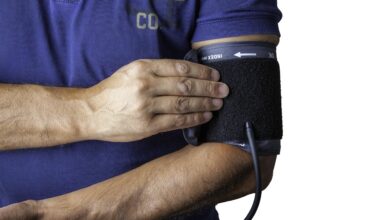
Monitoring heart rate during dance aerobics is essential for understanding how your body recovers. It helps determine if your heart rate is within the optimal range, ensuring effective recovery. For participants, understanding their heart rate zones can maximize their workout efficiency during recovery. Effective recovery allows performers to return to their energetic routines promptly. The recovery period is also crucial for preventing injuries, as insufficient recovery can lead to muscle strain and fatigue. An optimum heart rate should lie between 60-80% of the maximum heart rate for most individuals. During this period, your heart works efficiently, eliminating fatigue-inducing toxins from your muscles. To achieve accurate monitoring, individuals may utilize heart rate monitors, smartwatches, or fitness apps. These tools provide real-time feedback, which can help in adjusting workout intensity levels. Furthermore, they can aid in tracking your recovery progress over time. Understanding this metric enhances your awareness of personal fitness levels and helps you gauge overall performance. Ultimately, it instills a sense of discipline, ensuring that workouts remain healthy rather than detrimental to the body.
Muscle soreness after intensive dance aerobics is a natural occurrence. This pain signifies that the muscles are undergoing repair and adaptation. To monitor your progress effectively, recognizing the difference between regular soreness and excessive pain is crucial. Normal soreness usually subsides within a few days, while excessive pain requires immediate attention. Employing recovery techniques is fundamental to alleviate muscle soreness and to enhance overall recovery. Techniques such as stretching, hydration, and adequate nutrition play a significant role in this. Stretching helps improve flexibility, which can mitigate pain and enhance performance. Hydration replenishes lost fluids and assists in muscle recovery, supporting overall health. Nutritional considerations are equally vital; protein intake post-workout aids in muscle repair. Foods rich in antioxidants, like berries, can reduce inflammation and support recovery. Including techniques such as foam rolling can also stimulate blood flow and expedite muscle recovery. To optimize these practices, create a recovery routine integrated into each workout. This approach will foster a proactive mindset towards recovery, enabling more enjoyable dance aerobics sessions with increased efficacy in performance.
The Impact of Breathing on Recovery
Breathing techniques significantly influence heart rate recovery in dance aerobics. Proper breathing patterns can ensure adequate oxygen delivery to muscles, facilitating faster recovery. Individuals often overlook breathing, but it can substantially affect performance and recovery. Incorporate deep breathing exercises before and after workouts, as they enhance oxygen supply. This practice lowers heart rate, promoting relaxation and reducing stress levels. Slower, controlled breathing stimulates the parasympathetic nervous system, allowing for enhanced relaxation. Controlled inhalation and exhalation contribute to lowered anxiety levels, further promoting effective recovery. It is advisable to inhale deeply for 4 seconds, hold for another 4, and then exhale over 6 seconds. Repeating this cycle five to ten times post-workout nurtures the cardiovascular system. This practice facilitates the relaxation of muscles, removing lactic acid more efficiently. Additionally, proper breath control helps in maintaining stamina during intense aerobic sessions. Over time, establishing these breathing habits can lead to improved athletic performance, enabling a more enjoyable and less strenuous dance experience. Exploring various breathing exercises may encourage better recovery practices and boost overall health benefits from fitness sessions.
Furthermore, sleep plays an indispensable role in recovery after dance aerobics. Quality sleep enhances your body’s ability to repair itself, which is crucial for muscle recovery. While sleep patterns vary, aiming for 7 to 9 hours of sleep nightly is ideal for most individuals. Poor sleep can delay recovery, increase fatigue, and negatively impact performance. To improve your sleep hygiene, establish a regular sleep schedule, engaging in relaxing activities before bedtime. Limit exposure to screens, which can interfere with melatonin production, and instead consider reading or gentle stretching pre-sleep. Ensure your sleep environment is conducive to rest, maintaining cool temperatures and minimal light and noise disturbances. Regular sleep can also enhance mental health, as fatigue often leads to decreased motivation. Paying attention to how your body feels through consistent sleep patterns also promotes self-awareness. Observing how different amounts of sleep affect recovery can guide decisions about workout intensity and frequency. People often underestimate recovery time; thus, prioritizing sleep can greatly benefit performance in dance aerobics and other physical activities.
Benefits of Hydration
Hydration is vital for dancers participating in aerobics. Staying hydrated fuels optimal performance during workouts and enhances recovery post-exercise. Water plays several roles in the body, primarily regulating temperature and maintaining fluid balance. A well-hydrated body efficiently transports nutrients, resulting in better muscle function during workouts. During dance aerobics, unnecessary dehydration can reduce endurance and increase fatigue. It is recommended that individuals consume water before, during, and after workouts. Electrolyte-rich beverages can supplement hydration, helping replace lost minerals through sweat. Monitor urine color as a hydration gauge; pale-colored urine usually indicates adequate hydration while darker colors signify the need for fluid intake. Planning water intake during sessions also ensures that hydration is consistent rather than reactive. Including hydrating foods such as fruits and vegetables can contribute significantly to overall hydration. Post-workout beverages can also enhance recovery, especially those enriched with proteins and carbohydrates. Balancing fluid intake aids in reducing muscle soreness, supporting metabolism, and replenishing energy stores. Therefore, prioritize hydration as part of your recovery strategy for maximum benefits from dance aerobics.
Nutrition is integral to recovery, serving as a critical element in dance aerobics. Proper nutrition boosts energy levels, leading to enhanced performance. Post-exercise meals should focus on restoring energy reserves and repairing muscles. Consuming carbohydrates is essential, as they replenish glycogen stores depleted during high-energy routines like dance aerobics. Protein, another vital macronutrient, supports muscle recovery and growth; incorporating lean meats, beans, or dairy into post-exercise meals can be beneficial. Timing is vital; ideally, aim to refuel within 30 minutes to two hours following your workout. This timeframe encourages optimal recovery and nutrient absorption. Additionally, incorporating healthy fats can support recovery and overall health; sources like avocados and nuts offer anti-inflammatory benefits. Practicing mindful eating can nurture a better relationship with food, promoting long-term health. Supplemental vitamins and minerals may be considered, as they can enhance recovery processes in the body. Understanding the right nutrition can empower you to make informed choices around meals, optimizing your dance aerobics performance and recovery strategies. Cultivating healthy eating habits positively impacts overall fitness and well-being, benefiting any individual engaged in intense physical activities.
Emotional Recovery and Mental Health
Finally, emotional recovery should not be overlooked in dance aerobics. Dance aerobics can be demanding both physically and mentally, influencing emotional health. Employing mindfulness and meditation practices can foster a more positive mindset. These techniques alleviate stress, enrich enjoyment, and promote overall well-being. Engaging in joyful exercise enhances intrinsic motivation, driving better adherence to workouts. Recognizing emotional responses during recovery enhances self-awareness and acceptance. Participating in group classes can foster camaraderie and build social support, further improving emotional recovery. Sharing experiences with others can lead to reduced feelings of isolation, offering a sense of community. Establishing achievable goals can also enhance motivation and satisfaction during the recovery process. Each accomplishment fosters confidence and encourages continuation in your dance aerobics journey. Keeping a journal can document progress, allowing for reflection and adjustments. This practice can reveal patterns in emotional responses, leading to healthier coping strategies. Ultimately, blending physical recovery with emotional wellness enhances overall health, contributing to sustainable fitness practices. Advocating for a balanced approach can empower individuals to thrive in both dance aerobics and other life pursuits.