
Hydration Tips for Fitness Challenge Success
Hydration is essential for anyone participating in a fitness challenge. It plays a crucial role in optimizing performance and recovery. When you engage in intensive workouts, you lose fluids through sweat and respiration, which can lead to dehydration. This can negatively affect your energy levels, mental focus, and physical performance. To achieve the best results in your fitness challenge, take proactive measures to stay hydrated. One effective strategy is to monitor your fluid intake throughout the day. Aim to drink water at regular intervals, even if you do not feel thirsty. Moreover, consider your workout intensity and duration when planning your hydration strategy. For shorter sessions, water is typically sufficient. However, if you exercise for over an hour, it may be beneficial to consume sports drinks containing electrolytes. To help maintain optimal hydration, you should also be mindful of your diet. Foods with high water content, such as fruits and vegetables, can contribute significantly to your daily fluid intake. Cucumbers, watermelon, and oranges are excellent options. So, keep these tips in mind as you embark on your fitness challenge. An adequate hydration routine will support overall wellness.
A common misconception among participants is that you only need to drink water during workouts. While staying hydrated during exercise is vital, it’s equally essential to hydrate before and after your sessions. Pre-hydrating helps to build your body’s fluid reserves and can improve your performance right from the start. Ideally, aim to drink at least 16 to 20 ounces of water two hours before starting your workout. Following your exercise, replace lost fluids promptly. Consuming fluids within 30 minutes after your training ensures that your body can recover optimally. A good rule of thumb is to drink at least 16 ounces for every pound lost during the workout. To accurately gauge fluid loss, consider weighing yourself before and after exercising. If your goal is to enhance endurance and overall performance during a fitness challenge, be aware of hydration signs. Dizziness, fatigue, and headaches can all indicate dehydration and warrant immediate rehydration. Therefore, make it a practice to familiarize yourself with your body’s signals and react accordingly. Remember to couple these hydration tips with a suitable fitness plan tailored to your specific goals.
As you delve further into your hydration habits, consider the importance of electrolyte balance. Electrolytes, such as sodium, potassium, and magnesium, are critical for proper body function, including muscle contraction and nerve signaling. If your workouts are particularly intense or lengthy, electrolyte supplementation may be vital. Sweating not only depletes water levels but also reduces electrolyte concentrations, making it necessary to replace both. Sports drinks may offer an effective solution for those engaging in extended fitness challenges. Alternatively, you can also explore natural sources of electrolytes available in everyday foods. Bananas, coconut water, and spinach all contain beneficial nutrients that help replenish what your body has lost. When selecting electrolyte supplements or sports drinks, be vigilant about added sugars, as high sugar content can hinder performance. Always opt for options that provide carbohydrates needed for energy without excessive sweetness. Balance is essential, so don’t simply focus on one single source of hydration. Incorporating a mixture of water, healthy foods, and electrolyte drinks can yield the best outcome. Establishing a consistent hydration routine will ultimately contribute to your fitness challenge success.
Staying Hydrated During Workouts
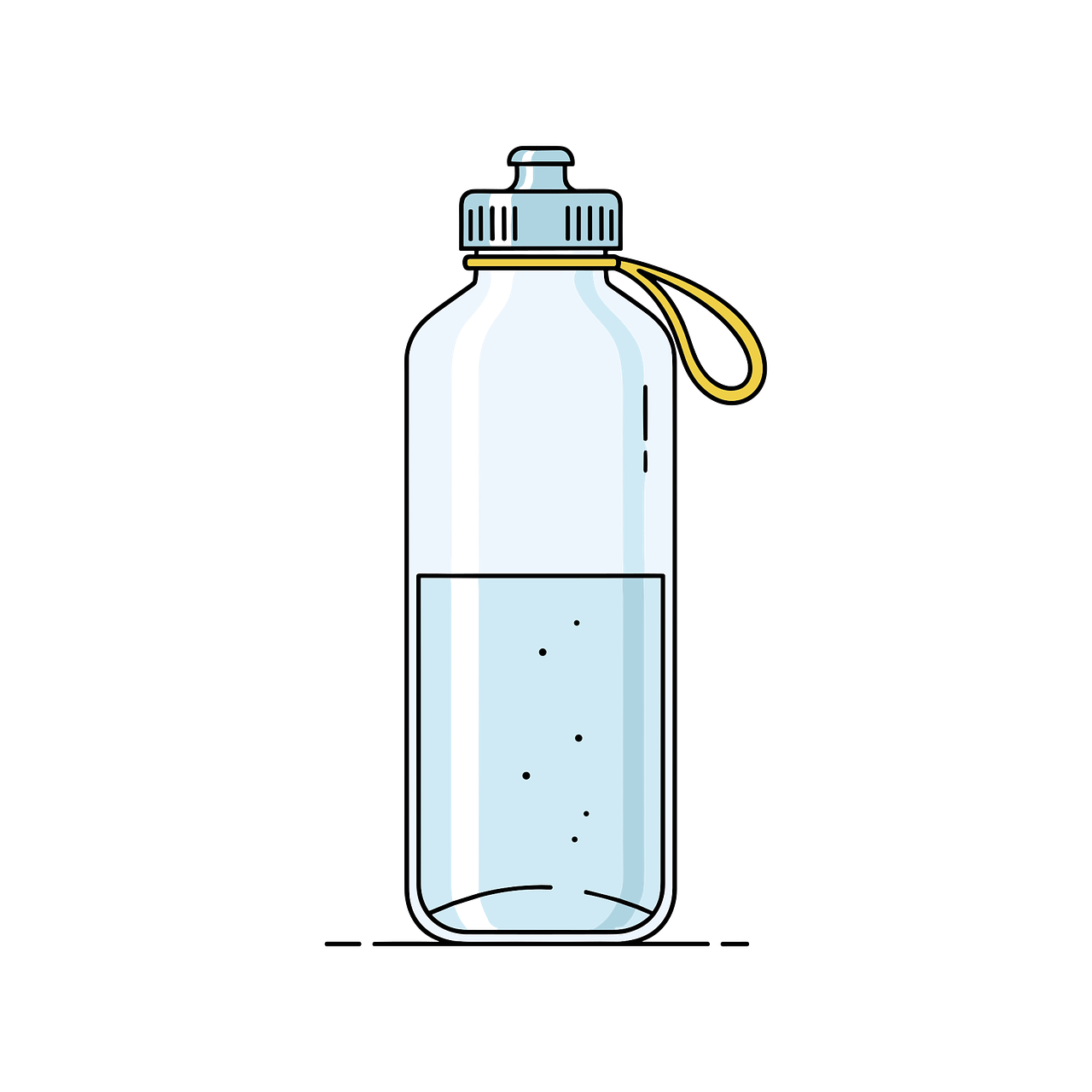
Finding the right balance of fluids during exercise can be a game changer for your performance. Hydrate before, during, and after your workouts for the best results. If you’re unsure about how much water you need, keep it simple with the following guidelines. During workouts, aim for about 7-10 ounces of water every 10-20 minutes. Additionally, factors like temperature and humidity can influence your hydration needs. Exercising in hot and humid conditions can lead to increased sweating, requiring you to drink more fluids to stay hydrated. Whether you’re jogging, cycling, or lifting weights, having a water bottle within reach will encourage you to sip frequently. Moreover, you may want to experiment with taste; adding a slice of lemon or cucumber can enhance your water consumption. It’s important not to let hydration take a backseat during your routine. Being consistent ensures that your body remains equipped to tackle challenges head-on. Carry a personal bottle or set reminders on your phone as practical solutions. Establishing hydration as part of your workout routine can yield long-term benefits for your fitness journey.
One popular technique for athletes is the use of hydration tracking apps or devices. These tools can help you log fluid intake and remind you to stay on track during your fitness challenge. By maintaining a clear record, you can better understand your hydration patterns and identify areas for improvement. As water needs can vary depending on individual metabolic rates, intensity of workouts, and environmental factors, these apps can provide tailored insights and reminders to optimize your hydration. Additionally, many wearable fitness devices can provide valuable data on sweat loss, helping you personalize your hydration strategy even further. While technology can be instrumental, it’s essential to trust your instincts and listen to your body. Regularly assessing how you feel about hydration can offer additional context that no app can entirely capture. Personal wellness needs should always remain paramount. Keeping an observation diary can also yield benefits—log your workouts alongside your hydration practices to identify patterns over time. This holistic approach will empower you to maintain an effective hydration strategy throughout your fitness challenge.
Understanding Individual Hydration Needs
Every individual is different, which means that hydration needs can vary significantly from person to person. Age, gender, activity level, and health status are all factors influencing how much water you require for optimal performance. It’s prudent to consult with healthcare professionals or nutritionists to gauge your hydration needs tailored to your unique situation. For instance, sedentary individuals will not require the same fluid intake as someone engaging in rigorous training. As a general guideline, men typically require about 3.7 liters of fluids daily, while women need around 2.7 liters. However, this can increase significantly based on individual activity levels and environmental conditions. Understanding your body’s requirements not only promotes better hydration but also supports overall health. Further, remember that less active individuals might not adequately hydrate due to the absence of a training routine. Utilize variations in your routine by implementing hydration habits in your daily life. Frequent hydration at consistent intervals helps to fuse better habits. It is a step towards being more conscious of overall wellness, and hydration should be recognized as an integral aspect of fitness challenges.
In addition to traditional water, consider incorporating hydrating foods to your diet. Fruits and vegetables can significantly supplement your daily hydration, offering a tasty and nutrient-rich alternative to plain water. Foods such as berries, oranges, and leafy greens provide not only hydration but also essential vitamins and minerals to fuel your body efficiently. Craft colorful salads featuring cucumbers, tomatoes, or peppers for a refreshing meal packed with hydration benefits. Staying hydrated doesn’t have to be monotonous; creativity in your food choices can elevate your overall experience. Also, consider herbal teas and infused water as pleasurable hydration alternatives. These options can enhance flavor without adding excess calories or sugar. Understanding that hydration comes in various forms allows for flexibility and enjoyment in what you consume. Of course, ensure that your fluid choices hydrate effectively. Avoid drinks with high sugar and caffeine content since they may lead to dehydration in excess. Therefore, make an effort to incorporate diverse sources of hydration in your daily life. These various strategies will maximize your performance in fitness challenges, enabling you to conquer your goals.