
The Impact of Poor Posture on Rowing Injuries and Recovery
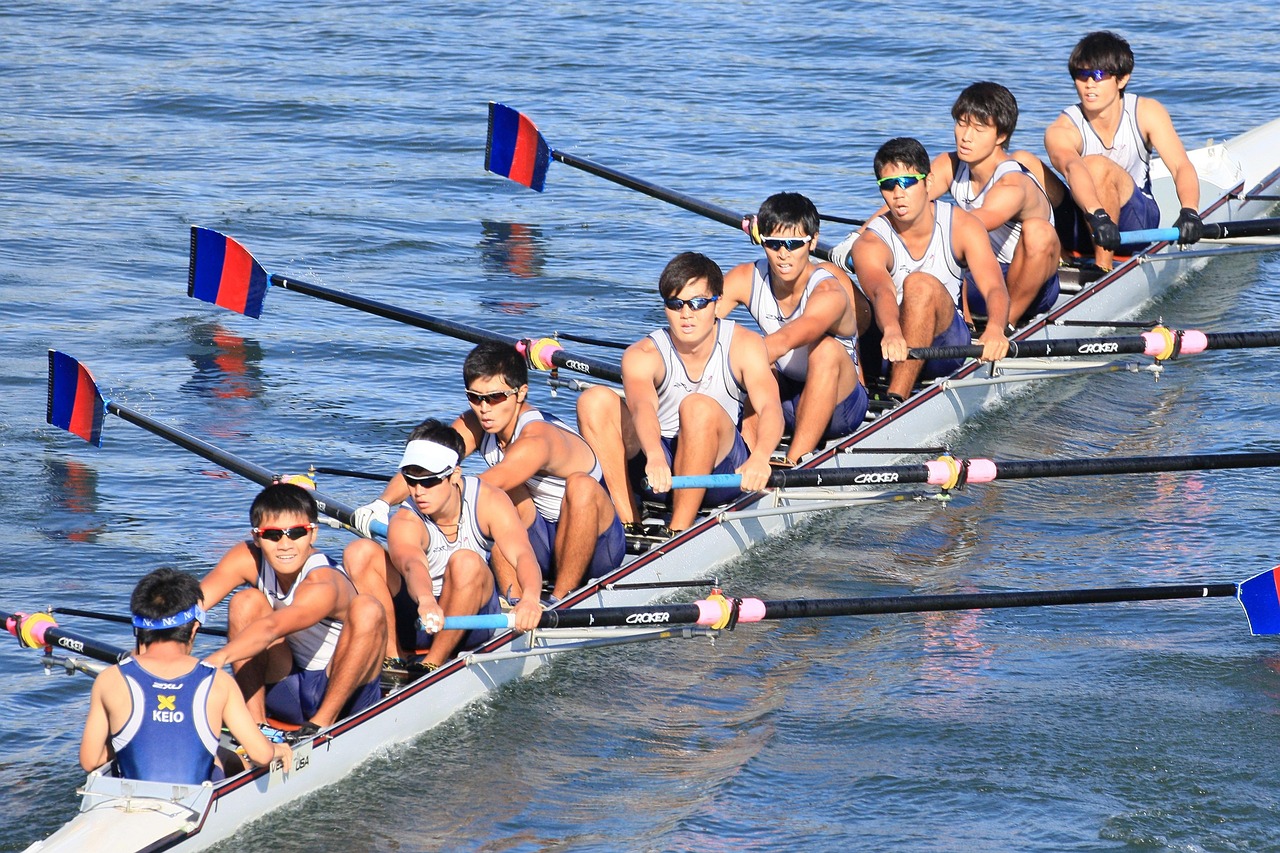
Rowing is an intense, full-body workout that can lead to various injuries if proper technique is not employed. One significant factor that contributes to these injuries is poor posture. Poor posture while rowing alters the body’s alignment, placing extra stress on muscles and joints. Consequently, this stress can lead to chronic issues over time, such as tendonitis, lower back pain, or shoulder injuries. Proper posture helps to distribute the strain evenly across the body’s musculoskeletal system. Maintaining a strong core and correct spinal alignment during rowing is essential for optimal performance and injury prevention. A strong focus on specific muscle groups, such as the back, shoulders, and core can lead to better posture. It also helps prevent injuries during rowing sessions. Efficient posture contributes to maximizing energy return and decreasing fatigue levels. Thus, rowers must prioritize maintaining a proper posture throughout their training regimen to enhance performance and safeguard against injuries. This article will further examine the connection between poor posture, injuries, and effective recovery strategies.
Understanding Rowing Injuries and Their Causes
Rowing injuries can result from various factors such as overuse, improper technique, and inadequate conditioning. Poor posture plays a vital role in the occurrence of many common rowing injuries. When rowers fail to maintain proper alignment, they may inadvertently engage the wrong muscle groups. This misalignment can lead to straining or tearing muscles and ligaments, resulting in injury. Common injuries include lower back pain, knee injuries, and shoulder problems. These injuries can significantly impact a rower’s ability to perform effectively, leading to prolonged recovery periods. Creating awareness about the importance of accountability in technique and posture is essential for injury prevention. Athletes must regularly assess their form and adjust their technique as needed. Additionally, education regarding posture during rowing is vital for beginners and seasoned rowers alike. Coaches should emphasize the importance of proper posture and include stretching and strengthening routines. Regular participation in exercises designed to promote flexibility and strength will enhance overall rowing performance while minimizing injury risks. Ultimately, understanding these relationships can lead to safer rowing practices and happier athletes.
Injury recovery is as crucial as injury prevention in rowing. Following a rowing injury, recovery strategies can significantly influence the outcome and rowing performance. One critical aspect of recovery involves addressing posture-related issues that might have contributed to the injury. When actively recovering, rowers need to focus on rebuilding strength and flexibility. Engaging in exercises that improve posture can be incredibly beneficial for both recovery and future injury prevention. Implementing a well-rounded rehabilitation program that prioritizes correct posture, alignment, and muscle balance is essential. A physical therapy plan can assist in developing the appropriate exercises necessary to regain strength while focusing on posture. Working with a qualified therapist helps ensure the effectiveness of recovery exercises. Additionally, incorporating exercises such as yoga or pilates can significantly improve body awareness and control during recovery. This can lead to better performance in the long run. Even this holistic approach, which encompasses proper posture coaching, can motivate rowers to return to their sport with greater confidence and strength. Consequently, prioritizing recovery strategies plays a key role in achieving optimal rowing results.
Core Strength and Its Role in Posture
Core strength is fundamental for maintaining correct posture while rowing. A strong core supports the spine, enhances upper body movement, and aids in maintaining balance throughout rowing strokes. Rowers often neglect their core training, which can adversely affect their posture during practice. To optimize performance and resilience against injuries, developing core strength should be a significant focus. Exercises, such as planks, bridges, and rotational movements, contribute greatly to core stability. Building up these deep abdominal and spinal muscles helps develop a solid foundation for proper posture. This foundational strength ultimately plays a crucial role in managing physical strain while rowing. Furthermore, rowers should prioritize integrating core-focused workouts into their training routine to enhance their overall performance. The enhanced strength gained through such training not only reduces the risk of injury but also supports the accurate execution of rowing techniques. By optimizing core strength, rowers create a strong posture that allows seamless transitions between different stroke phases. Proper posture ultimately leads to increased efficiency and effectiveness for rowers, translating to improved race performance.
Flexibility is another essential aspect of maintaining good posture while rowing. A flexible body can achieve the necessary range of motion during strokes, allowing muscles and joints to function optimally. In contrast, inadequate flexibility can lead to awkward positioning, resulting in misalignment and stress on the body. Stretching exercises targeting major muscle groups like the hamstrings, hip flexors, and shoulders are crucial for maintaining flexibility. Implementing a comprehensive stretching routine pre- and post-rowing sessions can significantly improve flexibility levels. This increased flexibility allows rowers to achieve proper positioning throughout their movements, facilitating more efficient strokes. Moreover, flexibility also reduces the risk of injury by allowing for more efficient movement patterns and alleviating undue strain on muscles and joints. Incorporating yoga or dynamic stretching routines, both aimed at enhancing flexibility, can yield substantial benefits for rowers. Ultimately, the synergy between strength and flexibility plays a significant role in maintaining correct posture during rowing activities. Rowers should prioritize flexibility training to ensure they remain injury-free while improving overall performance.
Posture Awareness During Training
Rowers must maintain posture awareness throughout their training sessions to prevent injuries and enhance performance. This awareness encourages rowers to consciously engage their core muscles, maintain proper alignment, and utilize their legs efficiently. By integrating posture checks into regular routines, athletes can minimize their risks of injuries related to poor technique. Coaches play an important role in fostering a culture of posture awareness. It is essential for coaches to provide immediate feedback; they can also develop drills focusing on maintaining posture during various exercises. Rowing on land, using ergometers can create an opportunity to assess posture more closely. By having rowers practice correct posture away from the water, they can develop the necessary habits for performance on the water. Furthermore, using video analysis technology can provide valuable insights into rowers’ techniques. Visual feedback can highlight any inconsistencies and allow rowers to make necessary adjustments in real-time. The continuous focus on improving posture leads to increased self-awareness and a sense of ownership over technique, ultimately promoting a safer and more effective training environment.
Finally, adopting a holistic approach to addressing posture can significantly impact recovery from rowing injuries. This approach emphasizes the importance of combining strength, flexibility, and core stability. Integrating these elements creates a robust training routine that promotes resilience against injuries. Rowers that creatively incorporate exercises targeting postural alignment into their practice can experience tremendous benefits. These not only enhance performance but also foster recovery from injuries more efficiently. Embracing practices found in physiotherapy, yoga, and Pilates can reinforce the principles of posture awareness during recovery. Adopting strategies like regular self-assessments and consultations with professionals can foster better self-understanding of individual body mechanics. Understanding one’s limitations is essential for long-term recovery and injury prevention. Moreover, rowers should seek professional medical advice if experiencing pain or discomfort consistently. Communicating openly about any issues related to posture or discomfort can lead to better solutions. By prioritizing a comprehensive approach focused on improving posture, rowers can improve their performance and long-term health, thus ensuring they remain active in their beloved sport for years to come.