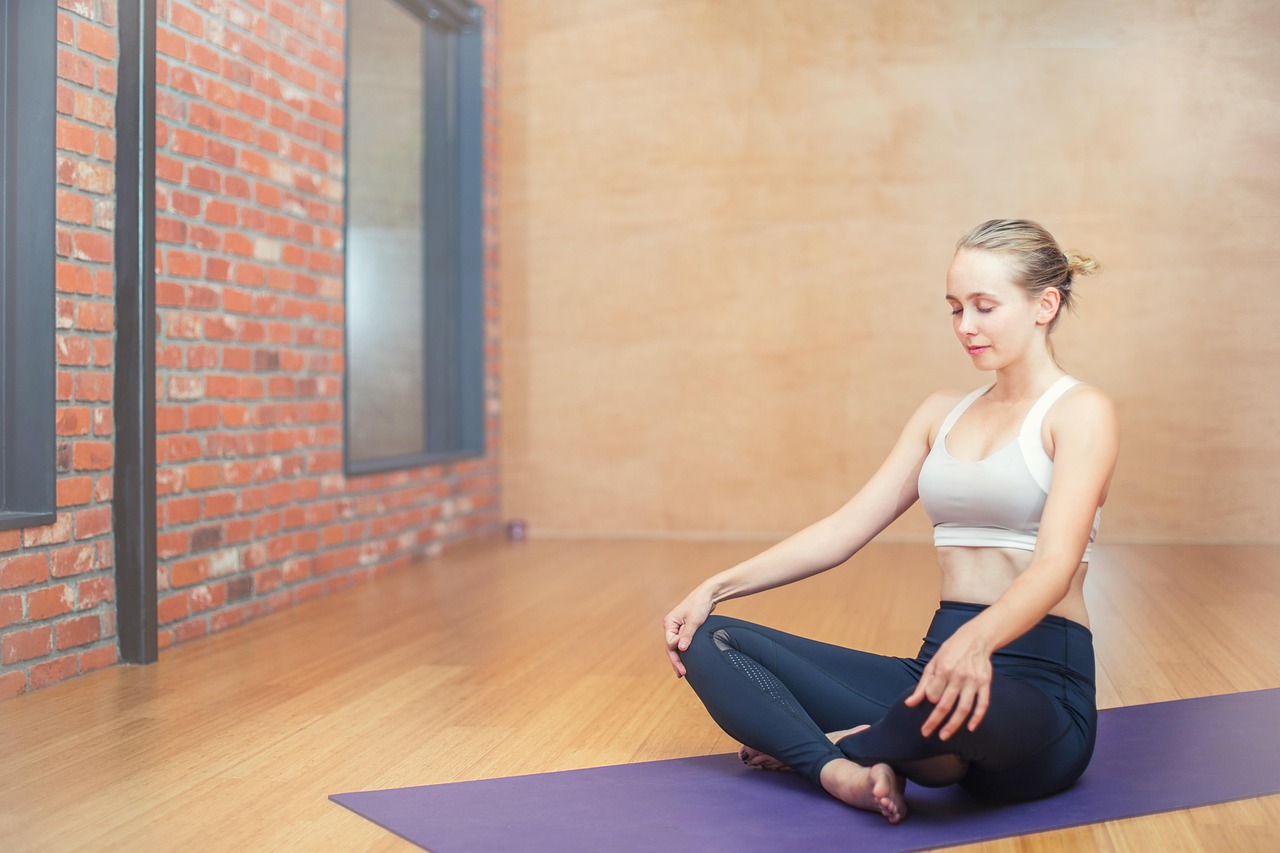

Incorporating Mindfulness in Week 31 Balance Workouts
In the realm of fitness, balance training is an essential component that can enhance physical performance, mental clarity, and overall well-being. As we progress into Week 31 of our workout plans, incorporating mindfulness into balance training can significantly elevate the benefits of each exercise session. Mindfulness encourages us to connect our minds and bodies, allowing for improved focus, greater stability, and enhanced control during workouts. By integrating breathing techniques and intentional movements, we can better harness our body’s strength and flexibility. Begin each sequence with a few minutes of mindful breathing, setting a peaceful tone for the workout. This preparatory phase aids in centering your thoughts and body, optimizing readiness for the exercises ahead. It’s vital to stay present and attentive during each movement, refining posture and technique. As we perform exercises like single-leg stands or balance board activities, challenge yourself to focus solely on the sensations within your body. This practice nurtures a deeper awareness of muscular engagement and core stability while simultaneously reducing stress and anxiety. Ultimately, the integration of mindfulness into balance workouts reaps rewards that extend beyond the gym.
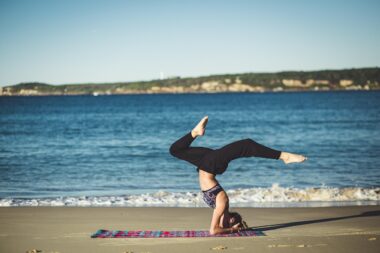
Incorporating mindfulness and affirmations into your training regimen boosts motivation, ensuring you approach balance work with intention. Another vital aspect of balance training is ensuring a diverse mix of exercises that target various muscle groups. For Week 31, we can focus on exercises such as Tai Chi, yoga poses, and dynamic movements that promote core strength and facilitate balance. A well-rounded routine should include both static holds and dynamic motions. Some effective exercises can include:
- Single-leg deadlifts promote stability and core engagement.
- Yoga tree pose enhances focus on balance.
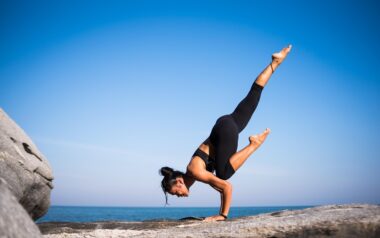
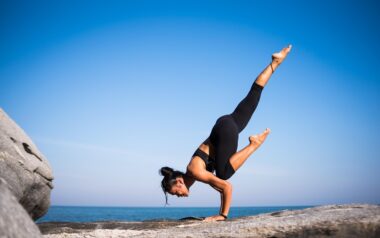
- Warrior III pose increases lower body strength.
- Boshu balance board drills augment coordination and stability.
Consistency in these routines is vital, ensuring gradual progress over time. It’s essential to listen to your body and modify movements if necessary while maintaining a mindful approach. Remember to celebrate small victories throughout this journey, as progress takes time and dedication. Added anticipation and a positive outlook will help maintain motivation. In a supportive environment, we can inspire and encourage each other to continue exploring our fitness capabilities and fostering a deep understanding of balance.
Mindfulness Exercises for Balance
To truly benefit from mindfulness in balance workouts, specific practices can greatly improve your focus and stability. One effective technique is to close your eyes during certain balance exercises, increasing the difficulty level while heightening awareness of your body’s positioning. This forces you to engage more intensely with your core and stabilizers, thereby building strength and mindfulness simultaneously. Another beneficial practice is incorporating visualizations. Before starting an exercise, picture yourself moving gracefully and effortlessly through each motion. Visualize strong legs and a stable core providing unwavering support. When performing exercises, pay attention to your breath—allow yourself to inhale deeply, filling your abdomen before exhaling slowly, promoting relaxation. Embrace grounding techniques through body scans, which enhance awareness of specific muscle engagements. During challenges, quickly redirect your focus back to your breathing pattern, thereby alleviating unnecessary tension. Furthermore, consider maintaining a gratitude journal focused on your training progress. Documenting achievements fosters a positive mindset and creates a constructive feedback loop, improving your overall experience and dedication toward your balance workouts.
In Week 31, we hone in on the connection between mindfulness and our physical practices to ensure our balance workouts deliver sustainable benefits. It’s crucial to highlight the role of environment in establishing a mindful routine. Choose a space that promotes calmness, free from distractions. Designate a workout area equipped with suitable gear—bring in a yoga mat, a stability ball, or any other tools that aid in achieving your goals. It’s important to create a pleasant atmosphere with favorable lighting conditions and adequate ventilation, allowing you to breathe deeply and fully. Soft background music can enhance relaxation without becoming overly distracting. Conducting workouts outdoors amidst nature is also excellent. Fresh air can uplift your spirit, increase awareness of your surroundings, and amplify your connection to nature. As you take these sessions outside, challenge yourself to tune into the sounds of the wind or the rustling leaves, deepening your sense of mindfulness. Engaging with nature’s elements while practicing balance encourages a holistic experience, resulting in improved concentration, enhanced mood, and greater enthusiasm for your workout routines.
Daily Mindfulness Routine
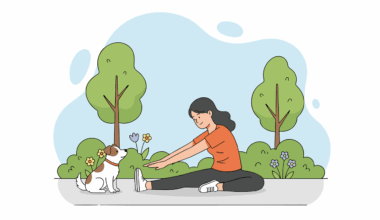
Building a daily mindfulness routine that complements your balance workouts can maximize gains and foster overall well-being. Start each day with a gentle stretching regimen that promotes flexibility and relaxation, allowing you to center your intentions before diving into your workout. Another suggestion is to engage in short meditation sessions ranging between five to ten minutes. During this time, focus on your breathing and visualize your balance goals. Mindfulness isn’t just limited to physical activities; it can also be a mental pursuit. Consider journaling about your workouts, reflecting on moments where you felt challenged or triumphant. Document your experiences in pursuing balance training while reminding yourself of your commitment to self-improvement. Practice gratitude for small achievements and understand that every positive step counts. Integrating mindfulness during meals can enhance overall well-being as well. Dedicate time to enjoy nutritious foods slowly. Savor flavors, textures, and colors consciously. This practice can positively impact daily energy levels and mental clarity, indirectly supporting your workout intentions. Therefore, a well-rounded approach draws connections between exercise and mindfulness to foster a more fulfilling experience overall.
As we delve deeper into Week 31, tracking progress becomes imperative to maintain motivation during balance training. Keep a workout journal to note down reflections on each session and any advancements. This reflective practice not only allows you to monitor improvements but also lets you assess how mindfulness techniques have influenced your workouts. Document what exercises resonate with you, how they feel, and the emotional responses they evoke. Assessing your mental state throughout training helps identify areas to improve. Set aside time at the end of each week to review the journal, analyzing your growth and areas of struggle. This method encourages self-accountability while promoting a continued commitment to your fitness journey. Moreover, consider partnering with a workout buddy or joining a fitness community. These shared experiences ignite motivation, accountability, and enhanced social support. Communicating with others also invites diverse perspectives and ideas, enriching your workout content. Furthermore, creating a support system solidifies commitment to balance training. Discussing challenges encourages others to learn as well. Overall, acknowledging progress through such assessments cultivates a robust platform for continued growth in mindfulness and balance training.
Celebrating Success
The culmination of mindful balance training in Week 31 undoubtedly deserves celebration—both for individual achievements and group progress. Plan a day to reflect on milestones, rewarding yourself for the hard work invested in becoming more balanced and mindful. Celebrating success can take many forms, from self-care treatments to small gatherings with friends or family. With these celebrations, you solidify the importance of milestones and accomplishments while reinforcing your commitment to regular workouts. Additionally, consider participating in a community event or challenge linked to balance training. Creative opportunities exist, enhancing your motivation to continue exploring balance training’s rewarding aspects. Establishing a personal or even group challenge, such as virtual competitions or benchmarks based on balance routines can be exhilarating. Imagine the excitement as you share successes and ideas, fostering a sense of belonging. This community spirit amplifies the benefits of mindfulness while allowing everyone to support one another’s journeys. Ultimately, celebrating each success transforms not only your physical capacity but also reinforces the mindset essential for lasting change in fitness and daily life, creating a ripple effect throughout.