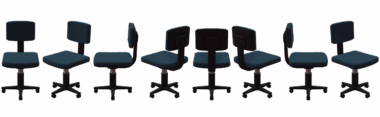

Posture Correction Through Ergonomic Chair Design
In today’s world, where many people spend a significant portion of their day sitting, choosing the right ergonomic chair has never been more crucial. The design of an ergonomic chair can greatly influence posture and overall well-being. This selection process should not be taken lightly, as the wrong chair can lead to discomfort and chronic pain. Ergonomic chairs are specially designed to support the natural curves of the spine, promoting a straight posture, which is essential in reducing strain during long hours of work. Features such as lumbar support, adjustable heights, and seat depth are vital for a chair to be deemed ergonomic. Additionally, the material used can impact comfort and heat distribution. A proper chair can alleviate the physical toll of sedentary lifestyles, leading to increased productivity and improved concentration. Understanding the importance of ergonomic designs is key to selecting a chair that suits one’s specific needs. Ultimately, investing in a good ergonomic chair is investing in one’s health and productivity. Everyone deserves to work comfortably and efficiently, making the right selection an essential part of a healthy workspace.
Selecting the Right Ergonomic Chair
Choosing the right ergonomic chair involves considering several critical factors. First and foremost is adjustability; various features should allow for personalization to fit different body types. A comprehensive ergonomic chair should have adjustable seat height, armrests, backrest, and lumbar support. This customization ensures that the chair accommodates individual ergonomic needs, contributing to better posture and comfort. Furthermore, the width and depth of the seat should be considerate of the user’s body size to prevent discomfort. Material choices also play a part, with breathable fabrics offering better ventilation, reducing heat buildup during long sitting periods. Additionally, a chair with wheels enhances mobility, allowing easy movement without straining. Stability and sturdiness are essential for safety and comfort, making a chair that supports different postures essential. It is advisable to test the chair before purchase, ensuring it meets all ergonomic requirements. Online reviews and recommendations can also provide insight into the chair’s performance and durability. A well-chosen ergonomic chair can lead to significant improvements in daily comfort and work efficiency, ensuring that one can maintain a productive and healthy routine.
Another crucial aspect of ergonomic chairs is lumbar support, which is tailored specifically to maintain spinal alignment. This support region, found in the lower back, is essential for preventing back pain and discomfort, which is a common issue among office workers. Lumbar support should follow the natural curve of the spine, allowing for an upright position. Adjustable lumbar support can significantly enhance comfort levels, enabling individuals to find their ideal position. Moreover, tilted backrests can further encourage a natural posture by distributing weight evenly across the back. Many chairs come equipped with lumbar support that can be modified in height or firmness to cater to individual needs. Furthermore, backrest material should provide adequate cushioning to prevent fatigue. Another feature to consider is the seat cushion, which should be firm yet comfortable, allowing for prolonged sitting without discomfort. The combination of effective lumbar support and a quality seat cushion is crucial for maintaining good posture. Overall, proper lumbar support is a non-negotiable aspect of chair design, contributing significantly to an overall ergonomic experience while seated.
The Role of Armrests in Ergonomic Chairs
Armrests play an often-overlooked role in ergonomic chair design, yet they are crucial for achieving proper posture. Well-designed armrests help to reduce strain on the shoulders and upper back by providing support while using desks or laptops. In an optimal ergonomic chair, armrests should be adjustable in height and width to align with the user’s specific needs and desk height. When correctly positioned, they promote relaxation of the shoulders and prevent slouching, positively influencing overall spinal posture. The width of the armrests should also accommodate both narrow and wider bodies comfortably. Furthermore, they should be padded to enhance comfort during prolonged use. Fixed armrests may limit movement, while adjustable ones allow for more freedom, creating a more adaptable workspace. Keeping the elbows close to the body while utilizing the armrests encourages a relaxed and neutral wrist posture, minimizing the risk of repetitive strain injuries. Additionally, some ergonomic chairs feature removable armrests, allowing users to customize their desk setup further. Investing in an ergonomic chair with well-designed armrests is essential, as it significantly impacts overall ergonomic effectiveness and comfort.
The construction materials used in ergonomic chairs also affect their comfort and durability. High-quality materials not only enhance the chair’s visual appeal but also contribute to the longevity and reliability of the product. Breathable fabrics or mesh materials allow for better airflow; this prevents heat retention, which can lead to discomfort during extensive periods of sitting. Moreover, memory foam cushions can provide great support by conforming to the individual’s body shape, distributing weight evenly to minimize pressure points on the body. The frame of the chair must be sturdy, ideally made from metals or high-grade plastic, to withstand daily use without compromising safety. Armrests built from padded or molded plastics ensure a soft touch, preventing fatigue or pressure on the forearms. Often overlooked, the wheels or base of an ergonomic chair are equally essential, with high-quality casters allowing easy mobility without damaging floor surfaces. The overall assembly must be evaluated as well, ensuring that all components fit securely together to maintain an ergonomic posture over time. This attention to detail in material selection plays a pivotal role in maintaining optimal comfort and user satisfaction.
Adjusting Your Ergonomic Chair
Learning how to properly adjust your ergonomic chair is critical to reaping its maximum benefits. When seated, feet should be flat on the ground, with knees at a 90-degree angle. The chair height should be adjusted so that the thighs are parallel to the floor to avoid pressure points. Once the seat is set correctly, the backrest should be positioned to support the natural curve of the lower back. Adjustments to lumbar support are essential, ensuring it fits comfortably against the spine. The armrests should also be adjusted to allow the shoulders to remain relaxed while keeping elbows close to the body—this mitigates strain in the neck and upper back. Additionally, the seat depth must allow a comfortable distance between the back of the knees and the edge of the chair, ideally leaving two to four inches to support circulation. Taking regular breaks to stand, stretch, and realign your posture is equally important to mitigate the effects of prolonged sitting. Regularly checking and adjusting your ergonomic chair at intervals throughout the day can significantly improve overall physical well-being.
Using an ergonomic chair also encourages the practice of good habits when it comes to posture. While having a chair that supports your body correctly is vital, personal habits also play a role in maintaining optimal position. Practicing seated exercises and stretches can help remind the body of its natural alignment. It is essential to maintain awareness of body positioning while seated, ensuring the back remains against the backrest to promote spinal integrity. Surrounding work environments can also be optimized; for instance, monitors should be eye level, reducing the likelihood of neck strain. Desk organization plays a crucial role too—having items within arm’s reach reduces the need for awkward reaches or leaning. Adjusting the angle of devices can further support good posture. Using document holders can also encourage neutral neck positioning. Regularly reviewing sitting habits and making proactive adjustments to work routines fosters improved posture and reduces the potential for discomfort. Ultimately, support from an ergonomic chair is most effective when combined with conscious sitting practices and healthy workspace arrangements.
The relationship between ergonomic chairs and productivity cannot be overstated. A well-designed ergonomic chair significantly contributes to enhanced focus and efficiency throughout the workday. By reducing discomfort associated with poor posture, individuals can concentrate better, leading to improved performance. Studies have shown that workers in ergonomically optimized environments experience less fatigue and stress, a direct response to better support and alignment. Furthermore, companies investing in ergonomic furnishings often see reduced absenteeism due to discomfort or pain complaints. Employees are more likely to enjoy their work when physically comfortable, creating a more positive workplace atmosphere. Moreover, a reliable ergonomic chair helps to instill a sense of well-being, promoting both mental and physical health. The cost associated with acquiring an ergonomic chair should be viewed as an investment in creating a healthier workplace, ultimately benefiting the company’s bottom line. Enhancing productivity through comfort should motivate decision-makers to prioritize ergonomic solutions in their workspaces. Adopting appropriate ergonomic chair designs within organizations can yield significant returns, including higher employee satisfaction, improved retention rates, and increased overall business success.