
Swim-Bike-Run: A Personal Account of Training Adjustments for Race Day
Preparing for a triathlon is a complex journey that encompasses dedication, discipline, and adjustments. As race day approached, I realized that refining each segment of the race—swimming, biking, and running—would be crucial. The training I underwent was not just about building endurance but also about understanding how to adapt my methods to optimize performance. Throughout my preparation, I learned the importance of assessing my strengths and weaknesses in each leg. Each practice helped me identify areas needing improvement. For instance, my swimming needed more technique-focused sessions to enhance efficiency in the water. During bike training, I focused heavily on endurance rides and speed workouts. Running sessions were balanced with interval training to build speed while maintaining distance endurance. These adjustments proved essential on race day as I aimed to combine all these elements effectively. I had to ensure that my transitions between segments were smooth. Each training cycle offered insights into what would work best on race day, allowing me to tweak my strategy continuously.
In the weeks leading up to the race, I concentrated on fine-tuning my nutrition. Proper hydration and nutrition can greatly impact performance on race day. I learned that balancing carbohydrates, proteins, and fats before an event was crucial. I conducted several experiments during my longer training sessions, testing various food options to see what my body responded to best. Some gels and energy bars helped to sustain my energy levels, whereas others left me feeling sluggish. I also practiced my hydration strategy, ensuring I could manage fluid intake during the race. This was especially important for both the bike and run segments. One significant adjustment was modifying my meal timing on training days, where I learned how to optimize pre-race meals and snacks. The cumulative experience clarified the right fueling strategy for me during the race, lifting stress off my shoulders. By integrating smaller meals throughout the day, I felt prepared to tackle the race without dealing with the dreaded pre-race anxiety that often plagued me.
Understanding Transition Techniques
Another vital aspect of my triathlon training involved focusing on transitions. Transitioning from one activity to another can greatly affect overall race time and efficiency. I dedicated time to mastering quick and efficient transitions. My training sessions included run-throughs that mimicked race conditions, ensuring I could smoothly switch from swimming to biking. Using different gear setups was part of my strategy. I practiced racking my bike quickly, removing my wetsuit efficiently, and being well-organized with my transition gear. Developing these skills became crucial as I learned to cut seconds off my transitions, which transported me from the swim to bike effortlessly. I also visualized the transition areas and mentally rehearsed my moves, reducing anxiety and increasing confidence. Out of habit, I set my gear in a specific order to help me locate items faster in the chaos of race day. This attention to detail would save me precious seconds, and I felt more confident knowing I had prepared for every aspect, including the transitions, which often go overlooked.
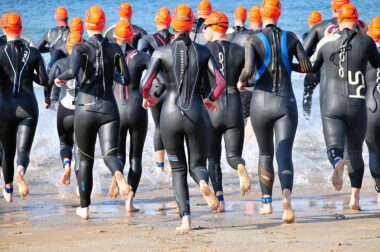
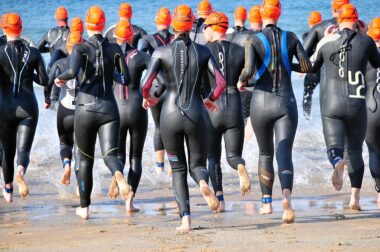
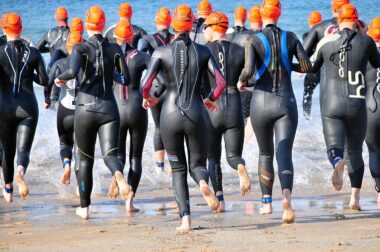
Race day arrived with a mix of excitement and apprehension. I had prepared thoroughly, yet nerves still surfaced as I stood alongside my fellow competitors. The energy was palpable, and as the starting signal rang out, I plunged into the water, ready for the swim. The first leg was intense, and I reminded myself to keep a steady pace. The training adjustments from the prior months began to show results, as I navigated through the water with improved confidence. Emerging from the swim, I made my way to the bike, executing my transition promptly. The bike leg started off smooth, and I focused on pacing myself for endurance. During the ride, I recalled my nutrition strategy and ensured I consumed electrolytes regularly. There was a moment on the bike course where I felt a surge of energy, pushing harder than I anticipated. I had learned to manage fatigue effectively during my long training rides, which proved invaluable now. Heading towards the run, adrenaline kicked in as I prepared for the final leg.
The Final Push: Run Segment
The run segment began, and I knew I had to maintain focus. It was crucial to remember my training adjustments, particularly regarding pacing. Early in my preparations, I learned the importance of starting slow during the run to avoid burning out. I felt the adrenaline from the biking, but I concentrated on managing my speed. Each step was powered by the rhythm of my breathing, and I kept the pace steady to avoid cramping. The support from the crowd made a world of difference, motivating me to keep going. I used the mental strategies practiced during my training, repeating affirmations to push through any discomfort. My hydration strategy played a key role, and I ensured I stopped at every water station. As I neared the final stretch, I drew on every bit of energy remaining to finish strong. Crossing the finish line felt like an incredible achievement; all the efforts dedicated to perfecting my training adjustments had paid off. I couldn’t help but feel pride in my performance.
Reflecting on what I learned from this triathlon, the experience proved transformative. I understood that every detail counts, from nutrition and transitions to mental strategies. Adapting my training methods made all the difference on race day. With the right balance of practice, patience, and perseverance, I enhanced my performance and exceeded my expectations. It was clear that triathlons demand not only physical endurance but also mental readiness. Each experience brought insights that will guide my future training journeys. I now have a more profound appreciation for the art of triathlon preparation. The lessons learned extended beyond race day; they reshaped my approach to challenges both within and outside sports. Looking ahead, I’m eager to dive into future races with a refined understanding of the adjustments required for success. A specific plan allows for better outcomes and prepares competitors for unanticipated challenges. The journey was about more than the finish line; it was about personal growth, embracing the grind, and continually striving for improvement. I’m excited to see where this passion leads next.
Conclusion: Embracing the Journey
In conclusion, my journey through triathlon training offered lessons that extend beyond physical limits. The importance of adaptability, strategy, and focus became clear throughout every stage. Understanding that triathlons require meticulous preparation has reshaped how I approach my training. Each segment, from swimming to running, needs a fresh perspective each time. I also realized that community support plays a significant role in motivating and pushing one another, enhancing the experience. Moving forward, I aim to incorporate these insights into all my future races. The memories from this race day serve as a reminder of the effort and commitment dedicated to ultimately discovering my potential. With every race, there is room for improvement, and the journey continues to be rewarding. I encourage anyone considering a triathlon to embrace the process and enjoy every moment spent training. Each race is a unique opportunity to learn more about yourself. The journey involves adjustments and growth, culminating in moments where hard work meets exhilaration at the finish line.