
Incorporating Functional Training with Tai Chi for Seniors
Functional training is a vital aspect for seniors, aimed at enhancing their quality of life. Tai Chi, an ancient form of martial art, offers remarkable benefits when combined with functional training exercises. This blend not only improves strength but also enhances flexibility. For seniors, maintaining balance is crucial to prevent falls. Tai Chi emphasizes slow, controlled movements that aid in developing core stability. Furthermore, it encourages mindfulness, which can lead to better mental health outcomes. By integrating Tai Chi with functional training, seniors can experience a comprehensive workout that targets their entire body. Incorporating exercises that mimic daily activities helps in managing real-life tasks like walking, climbing stairs, or lifting objects. More importantly, this training can be tailored to each individual’s needs, allowing for modifications based on personal fitness levels. With regular practice, seniors will likely witness improvements in mobility and endurance. This holistic approach fosters increased confidence and encourages social interaction through group classes. As such, incorporating Tai Chi within a functional training regime holds the potential to greatly enhance the everyday lives of seniors.
The significance of synchronization in movement cannot be overstated in functional training for seniors. Tai Chi emphasizes harmony in body and mind, which is vital for seniors who may face coordination challenges. By practicing Tai Chi techniques, participants can develop their proprioception, or awareness of body positioning. This skill translates directly into improved balance and mobility during daily activities. Additionally, Tai Chi can help alleviate joint stiffness, a common concern among older adults. Slow, gentle movements promote enhanced circulation, reducing discomfort associated with arthritis and other conditions. Practitioners often report feeling more relaxed and less stressed, which contributes to a healthier overall lifestyle. To incorporate Tai Chi effectively, seniors can start by dedicating a few minutes daily to practice simple movements. Enrolling in group classes can also provide motivation and a sense of community. Instructors can guide proper technique to ensure safety and effectiveness. Walking, bending, and stretching are just some techniques that can be adapted into Tai Chi practices. By integrating functional training alongside Tai Chi, seniors will not only improve their physical abilities, but will also encourage a greater sense of overall wellbeing throughout their lives.
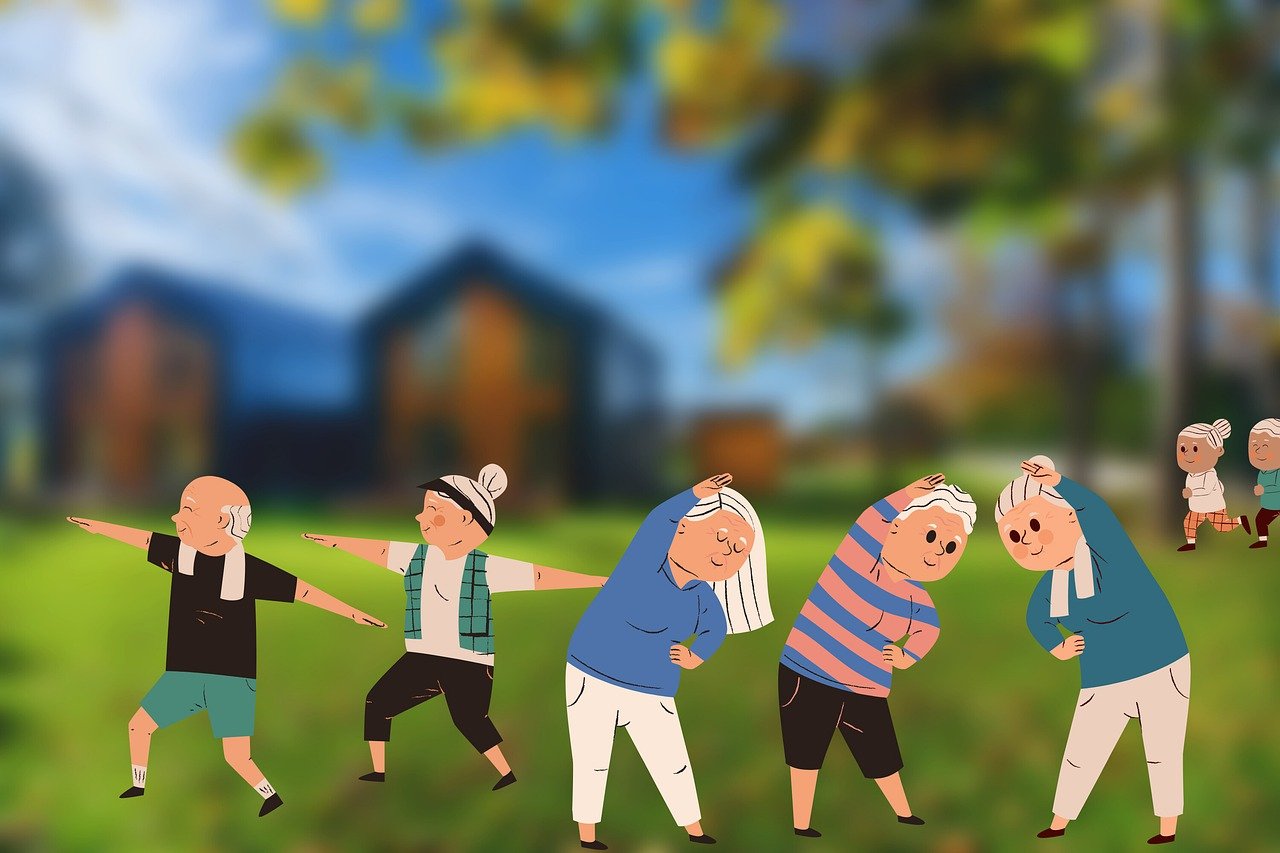
Another critical aspect of integrating functional training with Tai Chi for seniors is adaptability. Everyone ages differently, so it is essential to adapt movements according to individual capabilities. This ensures that no one feels overwhelmed or discouraged during training sessions. Beginners can start with fundamental Tai Chi routines, gradually adding in functional training elements as they gain confidence. Essentially, the focus should remain on safety and gradual progress. Working with a knowledgeable instructor can help customize workouts to cater to the needs of seniors. Furthermore, outdoor settings can enhance the experience, allowing older adults to enjoy nature while exercising. Outdoor Tai Chi classes promote engagement with the community and foster social connections, contributing to overall health benefits. Moreover, group settings can provide support and motivation among participants. Incorporating resistance bands or light weights into Tai Chi sessions can challenge seniors physically, without compromising safety. The overall synergy between functional training and Tai Chi results in a balanced fitness regime, enhancing strength, coordination, and cardiovascular health. Ultimately, this approach allows seniors to maintain independence and enjoy their golden years with greater vitality and enthusiasm.
Enhancing Mental Wellbeing
Mental health is as critical as physical fitness for seniors, and incorporating Tai Chi can significantly enhance emotional wellbeing. The meditative aspects of Tai Chi allow for stress reduction and improved focus, which benefits cognitive function. Research has shown that practicing mindfulness can improve memory and mental clarity among older adults. This is particularly relevant in the context of dementia and Alzheimer’s disease, where maintaining cognitive function is essential. By infusing functional training with Tai Chi’s mindfulness techniques, seniors can cultivate a deeper sense of awareness, helping them adapt better to their environments. Improved mood and lower levels of anxiety can encourage seniors to engage in social activities, thus reducing feelings of isolation and loneliness. With each session, individuals not only learn new movements but also find solace in a supportive group atmosphere. This collective experience nurtures friendships, leading to stronger emotional bonds. Moreover, as seniors feel empowered through their fitness journeys, they develop greater self-esteem, fostering a positive outlook on life. Societal connections formed through these shared experiences can alleviate depression and encourage a more vibrant lifestyle.
Nutritional support plays a significant role in enhancing the benefits of functional training combined with Tai Chi for seniors. Proper nutrition fuels the body—crucial for maintaining energy during activities. A well-balanced diet rich in nutrients can help slow the aging process and improve overall health. Older adults should focus on incorporating vitamins, minerals, protein, and healthy fats into their meals. Foods such as fruits, vegetables, whole grains, and lean proteins are vital for sustaining energy. Additionally, staying hydrated is essential, especially when engaging in physical activities. Tai Chi sessions, combined with a nutritious diet, can significantly increase stamina and recovery time. Seniors may want to consult a healthcare professional or nutritionist to ensure they are meeting their dietary needs. Adopting a positive relationship with food encourages seniors to view meal preparation as a pleasurable activity, which can become a form of functional training. Cooking healthily promotes mobility in the kitchen and brings a social aspect into meals. Moreover, participating in community meal programs provides further opportunities for interaction. By embracing dietary changes in conjunction with functional training, seniors will experience enhanced overall health and a more engaged lifestyle.
It is essential to recognize the importance of community support in fostering successful functional training and Tai Chi programs for seniors. Creating an inclusive atmosphere encourages participation and motivation among older adults. Community centers or local gyms often offer specialized classes designed first and foremost for senior audiences. Establishing a routine contributes to accountability and encourages individuals to stay motivated. Class formats that emphasize social interaction can uplift spirits and enhance overall satisfaction. When seniors regularly engage in Tai Chi and functional training, they come to view it as both a physical activity and a social outing. Additionally, forging friendships during training can lead to partners for practice outside of class. Encouraging family involvement can also enhance the training experience by promoting joint activities. Adaptable programs allow seniors to exercise in a supportive community where they feel understood and accepted. Local healthcare providers can assist in spreading awareness about the benefits of such programs and offer referrals. In summary, engaging in Tai Chi and functional training in a community setting can help to promote a vibrant, active lifestyle, ensuring that seniors thrive both physically and emotionally.
Conclusion
Incorporating functional training with Tai Chi offers seniors a pathway toward mobility, wellbeing, and enhanced quality of life. This effective combination allows older adults to improve strength, flexibility, and balance, which are paramount to independence. Additionally, the mental health benefits derived from mindfulness practices in Tai Chi promote emotional stability and cognitive functioning. As seniors engage in these exercises regularly, they witness transformations in their physical and mental health. Making meaningful connections with peers through group classes fosters a sense of belonging and enhances emotional wellbeing. Nutrition also plays a significant role in this equation, helping seniors to sustain their energy and overall health. Engaging with supportive communities further strengthens the motivation to participate in functional training and Tai Chi. As more seniors embrace this holistic approach, they will likely experience improved overall health, renewal, and fulfillment in their daily lives. Initiatives promoting Tai Chi and functional training should be encouraged and expanded within communities to support senior citizens. Ultimately, by honoring their physical and mental health, seniors can truly enjoy a remarkable quality of life, embracing their skills and vitality to the fullest.
Beyond the physical and mental benefits, adopting a lifestyle that includes functional training with Tai Chi assists seniors in combating the inevitable effects of aging. Regular engagement helps slow age-related declines in muscle mass, bone density, and balance. This proactive approach is vital to preserving autonomy and enhancing mobility. Furthermore, participants report enhancements in overall fitness levels, resulting in increased confidence in performing routine activities independently. Tai Chi’s unique blend of strength, flexibility, and balance exercises provides a comprehensive workout that addresses the multifaceted needs of older adults. Choosing functional training routines that stimulate various muscle groups, combined with Tai Chi’s balanced postures, ensures the body remains resilient against common age-related factors. This shift encourages participants to take their health into their own hands, significantly impacting their lifestyle choices. Additionally, offering diverse class options ensures that individuals find a comfortable fit for their interests and abilities. When programs cater to various needs, seniors are more inclined to participate, leading to lasting changes. By integrating fun and engaging elements into training, seniors can become enthusiastic about their health journey and active participants in their health and lifestyle.