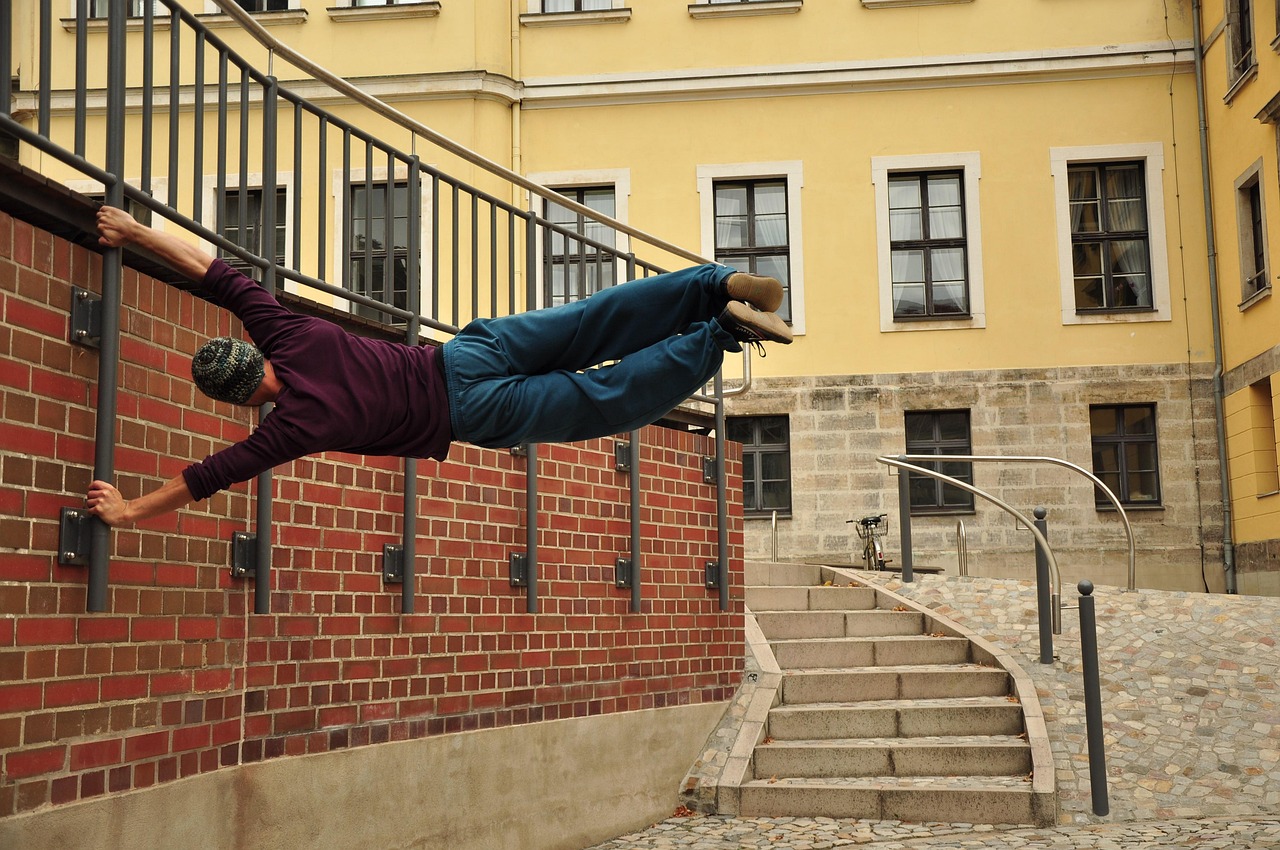

How to Prevent Injuries While Practicing Parkour
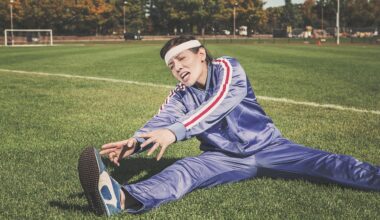
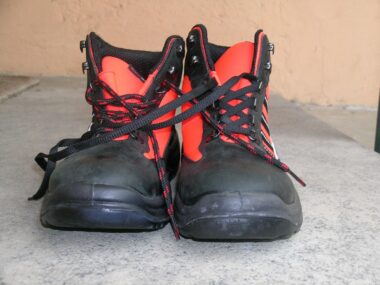
Parkour, an exciting discipline combining agility and creativity, involves navigating obstacles in urban environments. However, with the thrill comes the risk of injury. To minimize risks while practicing parkour, it’s essential to prioritize safety. The first step is to warm up properly before engaging in any parkour activities. This includes dynamic stretches and movements that gradually increase your heart rate and prepare your muscles. Strengthening your core and improving balance also play vital roles in injury prevention. Incorporate exercises like planks, squats, and lunges into your routine. Moreover, wearing appropriate gear can provide additional protection. Select shoes with good grip and cushioning to minimize the impact on your joints. Protective gear, such as wrist guards or knee pads, can also offer extra safety. Always practice in a safe environment, ideally in designated parkour areas or parks. Avoid practicing on slippery or uneven surfaces. If you’re new to parkour, consider learning under a qualified instructor. They can provide critical feedback and help you master techniques effectively, enhancing your safety and enjoyment during practice. Remember, safety is paramount when pursuing this thrilling sport.
Understanding Parkour Techniques
In understanding parkour techniques, recognizing the principles of landing is crucial. A proper landing technique can prevent injuries and enhance your overall performance. Aim to land softly by absorbing the impact through your legs, bending your knees while keeping your feet shoulder-width apart. This helps distribute weight evenly and reduces strain on your joints. Additionally, practice precision landings, which require focusing on landing accurately on designated targets or surfaces. Pay attention to your posture during the landing; maintaining an upright torso can greatly influence your stability. Furthermore, learning how to roll after a fall can be invaluable. Rolling can redirect energy and prevent injuries, thus allowing you to recover quickly. Consider practicing rolls on soft surfaces before applying them in your parkour routine. Another technique to master is the vault. It involves clearing obstacles safely, and proper technique can make every jump more effective. Ensure your hands are placed correctly to provide support and balance as you vault. Regular practice and conscious attention to technique are key to minimizing injury risks in parkour. Incorporating these techniques into your training regimen helps prepare you for diverse scenarios, increasing safety while fully engaging your creativity.
The importance of proper body awareness cannot be underestimated in parkour. As practitioners encounter various obstacles, understanding their body’s capabilities aids in preventing injuries. It is essential to practice self-assessment continuously, understanding your limits, and acknowledging any physical discomfort. If a movement feels uncomfortable, do not push through the pain; instead, evaluate your technique. Strengthening your body through complementary training can boost awareness and readiness. Conditioning exercises, including strength training and core workouts, prepare your body for the demands of parkour. Don’t forget about flexibility; incorporate activities like yoga or dynamic stretching to maintain a full range of motion. Mental preparation is equally important; practicing visualization techniques can enhance your performance by preparing your mind for obstacles ahead. Create a mental map of your route to increase confidence as you approach each challenge. Engage in mindfulness exercises to focus on your body’s movements and your surroundings, which can help in assessing risks effectively. Establish a supportive community by connecting with fellow practitioners who can provide feedback and share experiences. Engaging This community aspect fosters a culture of safety and recklessness awareness, ultimately making parkour practice more enjoyable and safer for everyone involved.
Proper Rest and Recovery
Ensuring proper rest and recovery between training sessions is vital for injury prevention in parkour. Training intensely without adequate rest can lead to overuse injuries, fatigue, and decreased performance. Listen to your body’s signals, implementing rest days or lighter training sessions as necessary. Hydration is a crucial element in recovery; drink plenty of water before, during, and after your training sessions to maintain optimal performance levels. Additionally, get sufficient sleep each night to allow your body to repair itself adequately. Aim for at least seven to eight hours of sleep to support recovery processes. Nutrition also plays a significant role; consume a balanced diet rich in proteins, carbohydrates, and healthy fats to fuel your body. Foods like lean meats, whole grains, fruits, and vegetables can support muscle recovery and growth. Stretching after workouts helps loosen tight muscles and can alleviate soreness, enhancing overall flexibility. Consider implementing foam rolling or massage into your routine to reduce muscle stiffness. All of these factors contribute to longer training periods without injury, allowing you to enjoy parkour without the constant worry of setbacks.
Incorporating progressions into your parkour training is a useful strategy to reduce injury risks. Begin with basic movements and gradually advance towards more challenging techniques. Start by mastering foundational skills, such as landing, rolling, and basic vaults, before progressing to complex movements and combinations. This gradual approach ensures that your body becomes accustomed to the demands placed upon it, minimizing injury potential. Set realistic goals to track your progress and remain motivated throughout the learning process. Instead of attempting advanced maneuvers too quickly, focus on perfecting your technique with simple movements first. Use various training tools, such as padded surfaces and crash mats, to practice more daring movements safely. These tools can provide confidence when attempting new skills without fear of injury. Additionally, be patient with yourself; progressing takes time and effort. Engaging in parkour will be a more rewarding experience if you steadily develop technical proficiency. Document your journey through training logs, allowing you to reflect on your progress over time. By analyzing what works for you and what areas need improvement, you create a more customized training plan that enhances safety during practice.
Choosing the Right Environment
Selecting the right environment for practicing parkour is another crucial aspect of injury prevention. Find locations that provide a suitable surface, avoiding areas with loose gravel, ice, or sharp objects. Urban parks and specially designed parkour spaces often offer appropriate surfaces, including grass and rubberized flooring, acting as effective cushioning. Scout locations beforehand to identify potential hazards and plan escape routes in case of falls. Awareness of your surroundings is essential; keep in mind the height and stability of surfaces you navigate, ensuring they are safe. If practicing outdoors, remain mindful of changing weather conditions, as rain or snow can make surfaces hazardous. Training indoors at a gym designed for parkour can provide a controlled environment with numerous safety features. Look for facilities with foam pits, mats, and padded surfaces to diminish the chances of injury. Training within a closed environment also allows for better supervision, enabling you to receive guidance as you learn new skills. Lastly, consider recruiting friends or fellow practitioners when training, as having a buddy can create an added layer of safety and support during your sessions. Always prioritize safety above all else.
One often-overlooked aspect of injury prevention in parkour is the psychological factor involved. Mental preparedness significantly influences performative success and safety levels. Develop your mental resilience to face risks confidently; as you evolve physically, it is essential to balance your mental game. Visualization techniques can be particularly beneficial; picture yourself successfully executing movements and overcoming obstacles without injury. This mental rehearsal instills confidence and reduces anxiety before attempting challenging maneuvers. Building confidence can also come from breaking down skills into manageable chunks, allowing you to conquer smaller objectives progressively. Additionally, maintaining a positive mindset is crucial; celebrate each achievement, no matter how small, as it reinforces motivation and focus. Identify fears or doubts and work to address them systematically, ensuring they do not impede your progress. Mindful breathing exercises can alleviate anxiety, helping you remain composed during challenging elements of your practice. Training should always feel exhilarating yet approachable, not overwhelming. Developing the right mindset allows you to enjoy parkour without compromising safety. Thus, strive to cultivate both your physical and mental skills, as they work together to create a safe and enjoyable environment for parkour practice.
Ultimately, preventing injuries while engaging in parkour combines many factors, each crucial to a successful and enjoyable experience. Begin with thorough warm-up routines, understanding your body, and implementing effective recovery strategies. This comprehensive approach will improve performance and safeguard your health over time. Focus on technique mastery, gradually progressing to advanced movements, ensuring you develop skills while maintaining safety. Moreover, selecting appropriate environments, both indoors and outdoors, plays a significant role in injury prevention. Be aware of potential hazards in your surroundings, ensuring you practice on safe surfaces. Additionally, building a supportive community and engaging with instructors can provide valuable insights, helping you learn effectively while staying safe. Always prioritize mental preparedness, practicing visualization and mindfulness techniques that foster confidence and promote safety during execution. By remaining mindful and analytical regarding your practice, you can cultivate a balanced progression. This approach instills a love for parkour while ensuring you stay injury-free, allowing you to explore your physical limits fully. Embrace parkour’s creative nature without compromising on safety. With the right techniques and support, you can thrive and enjoy the exhilarating journey parkour offers.