
Best Stretching Exercises Before and After Treadmill Runs
Stretching is a crucial component of any running routine, especially for treadmill users. Engaging in stretching exercises before and after your treadmill runs can significantly enhance performance and recovery. Pre-run stretches help prepare the muscles for the workout, improving flexibility and reducing the risk of injury. This preparation allows for a more effective running session, optimizing cardiovascular benefits and muscle engagement. Post-run stretches facilitate the recovery process by relieving tightness and reducing muscle soreness, emphasizing the importance of incorporating these exercises into your routine. One effective stretching exercise before running is the dynamic hamstring stretch. Stand tall and extend one leg forward, keeping the other leg slightly bent. Reach for your toes, keeping your back straight, then repeat on the opposite side. Another vital stretch is the walking lunges, which also targets leg muscles and enhances mobility. Always remember to hold each stretch for at least 15-30 seconds. Including such exercises will ensure a more effective treadmill running experience while minimizing the chance of injuries that often accompany this popular cardiovascular activity.
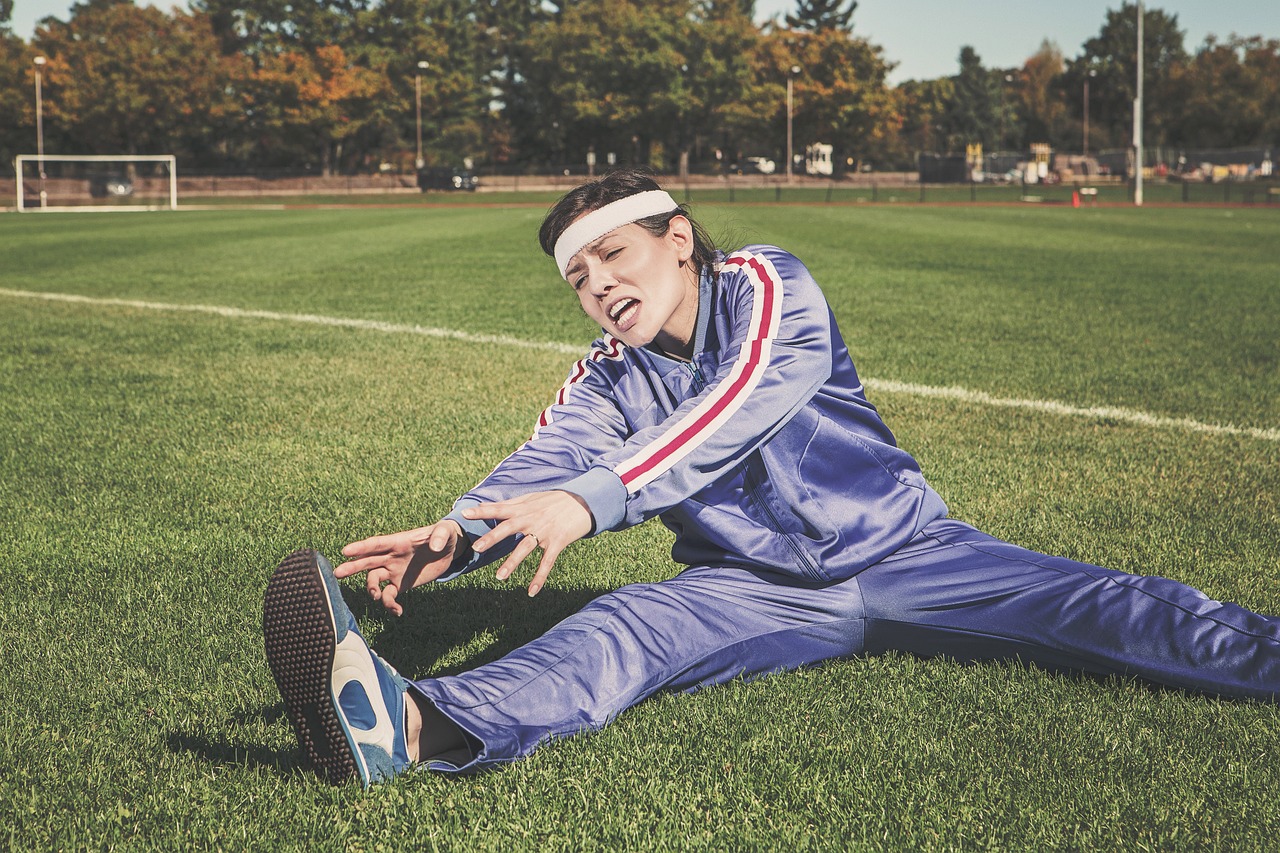
Another essential pre-run stretch is the quad stretch, which particularly focuses on prepping the quadriceps for any treadmill run. To perform this stretch, you approach the wall for stability and then bend one knee, bringing your heel up toward your glutes. Grab your ankle with your free hand and pull gently to feel a stretch along the front of your thigh. Hold the position for 15 to 30 seconds before switching legs. Incorporating upper body dynamic stretches can also be beneficial. Arm circles and torso twists prepare the upper body for proper running posture on the treadmill. Start with small circles, gradually increasing the radius to activate shoulder muscles. These simple stretches can balance the engagement of both upper and lower body muscles during the run. After completing your treadmill session, it’s equally essential to transition to post-run stretches, which aid in cooling down. The seated forward bend stretch is ideal as it targets the lower back and hamstrings. Sit on the floor, extend your legs, and reach forward towards your toes. This not only helps in muscle relaxation but also enhances flexibility over time.
Incorporating Yoga into Your Routine
Many runners find yoga beneficial for their overall performance. Yoga improves flexibility and core strength, crucial elements for developing an efficient running form. Incorporating yoga into your routine, even just once a week, can lead to significant enhancements in your flexibility, strength, and balance over time. Poses such as downward dog and pigeon stretches can alleviate tension that builds during treadmill workouts. During downward dog, your entire body engages, promoting stamina and flexibility. This position stretches the hamstrings and calves and helps lengthen the spine. The pigeon pose focuses on hip flexors, relieving tightness that often affects runners. By integrating these yoga poses before and after your treadmill runs, you can enhance your performance while reducing the likelihood of soreness and injury. Additionally, the relaxed breathing practiced in yoga can improve your running mindset. Meditation techniques associated with yoga can help you focus on your breath while running, allowing for a more mindful experience. Focusing on breath control can also enhance endurance levels, proving beneficial for longer treadmill sessions and achieving personal bests.
A popular post-run stretch is the foam roll, an excellent tool to alleviate muscle soreness. After stepping off the treadmill, using a foam roller on lower back, calves, and thighs can significantly improve recovery. This self-myofascial release technique helps break up tension in muscles, improving blood circulation. Additionally, it enhances the overall recovery process, promoting quicker muscle healing. Spend at least 30 seconds rolling over each major muscle group. Incorporating leg stretches also helps ease post-run strain. A great stretch for the glutes is the seated figure-four stretch. Sit on the floor, cross your right ankle over your left knee, and gently press your right knee down to feel the stretch. Hold each side to ensure balanced flexibility. Never skip the cooldown phase; encouraging the body to transition after runs is vital for preventing injuries. Finally, trying the cat-cow stretch can relieve tension in your back and improve spinal health. This stretch can further help in maintaining good posture, which is essential for effective treadmill running. Thus, enhancing flexibility through this method can benefit both your immediate and long-term running performances.
The Importance of Consistency
Consistency in stretching before and after treadmill runs can dramatically influence your performance over time. Regularly incorporating stretching into your routine builds more flexibility. This improvement can transform your running experience, allowing you to maintain better form and speed. Additionally, consistent stretching enhances overall muscular strength, reducing the risk of injuries. Integrating a post-workout stretching routine into your schedule also facilitates better muscle recovery. This routine allows your body to cool down properly. With improved flexibility, you’ll find it easier to execute advanced running techniques, such as increasing speed or tackling challenging incline settings on the treadmill. To ensure the effectiveness of your stretching routine, consider setting reminders or scheduling dedicated sessions at specific times. Pre-run stretches should last around 10-15 minutes, while post-run stretching may take about 15-20 minutes. This practice guarantees that the muscles remain limber and prevents stubborn stiffness after rigorous workouts. Moreover, always listen to your body; avoid overstretching and respect your limits to ensure a healthy progression. Ultimately, the collective benefits of consistent stretching will yield enhanced running performance and enjoyment in the long run.
It’s crucial to remember proper stretching techniques to avoid injury. Always perform stretches in a controlled manner, maintaining steady breathing to maximize their benefits. When holding static stretches, ensure that you are in a comfortable position. Avoid bouncing during stretches, as this may cause muscle strain. Focus on feeling the stretch, not pushing beyond your limits. As you develop a personal stretching routine that works with your treadmill program, you’ll notice improvements in your flexibility and running efficiency. When preparing for a treadmill run, take your time; this allows your body to adjust gradually to the upcoming activity. As the body warms up to the exercise, you’ll engage more muscle fibers, creating a stable foundation for your work. Similarly, make your post-run stretching an unskippable habit. This not only promotes relaxation but also consolidates gains from your workout by keeping muscles healthy. Incorporate diverse stretches targeting all muscle groups used during the run. Using yoga initiatives, one can improve mental and physical awareness, enhancing overall endurance and efficiency. Thus, establishing a solid habit of stretching will improve your treadmill sessions, paving the way for a rewarding running journey.
Final Thoughts on Stretching
In summary, stretching before and after treadmill runs is essential for both performance enhancement and injury prevention. By maintaining a consistent stretching routine, you not only improve flexibility but also boost overall running efficiency. The exercises discussed, from dynamic stretching before your run to static stretching post-run, set a solid foundation for excellent treadmill experiences. The benefits of proper stretching cannot be overstated. Develop your customized stretching regimen based on your personal preferences and bodily needs. For instance, keeping a stretching log may help track progress and highlight any areas requiring additional focus. This individualized approach will ensure your routine aligns with your fitness goals and feels gratifying. Moreover, consider using methods like breathing exercises and relaxation techniques to further optimize your routine. By incorporating these practices, you’ll foster not just physical improvements but also mental clarity during your runs. Consistent effort will cultivate habits leading to an enjoyable and sustainable treadmill running experience. Ultimately, the commitment to stretching will reflect in your performance, lower injury rates, and make each run more enjoyable.
Regardless of the treadmill model or type of run, proper stretching remains crucial in promoting healthy running habits. Addressing any tight muscles or imbalances with targeted stretches and regular practice will support overall well-being. Make stretching a non-negotiable part of your pre-and post-run activities. Use online resources or consult a fitness professional to help refine your routine. Embrace the journey ahead. Remember, a thorough stretch prepares you for the treadmill workout, invigorating your muscles and mind for what’s about to come. By dedicating time to balancing and stretching, you can make your running more efficient while preventing injuries. Emphasizing flexibility increases your comfort, allowing for gradual progression, and enhancing your capability to push towards your goals. In time, you’ll develop a deeper understanding of your body, leading to mindful improvements in your practice. Whether you are running for fitness, stress relief, or competition, the simple act of stretching can pave your path for success. Make it part of your routine as you embark on every treadmill session, and notice the positive changes. Henceforth, each run can transform into a rewarding experience, allowing you to thrive and enjoy the journey.