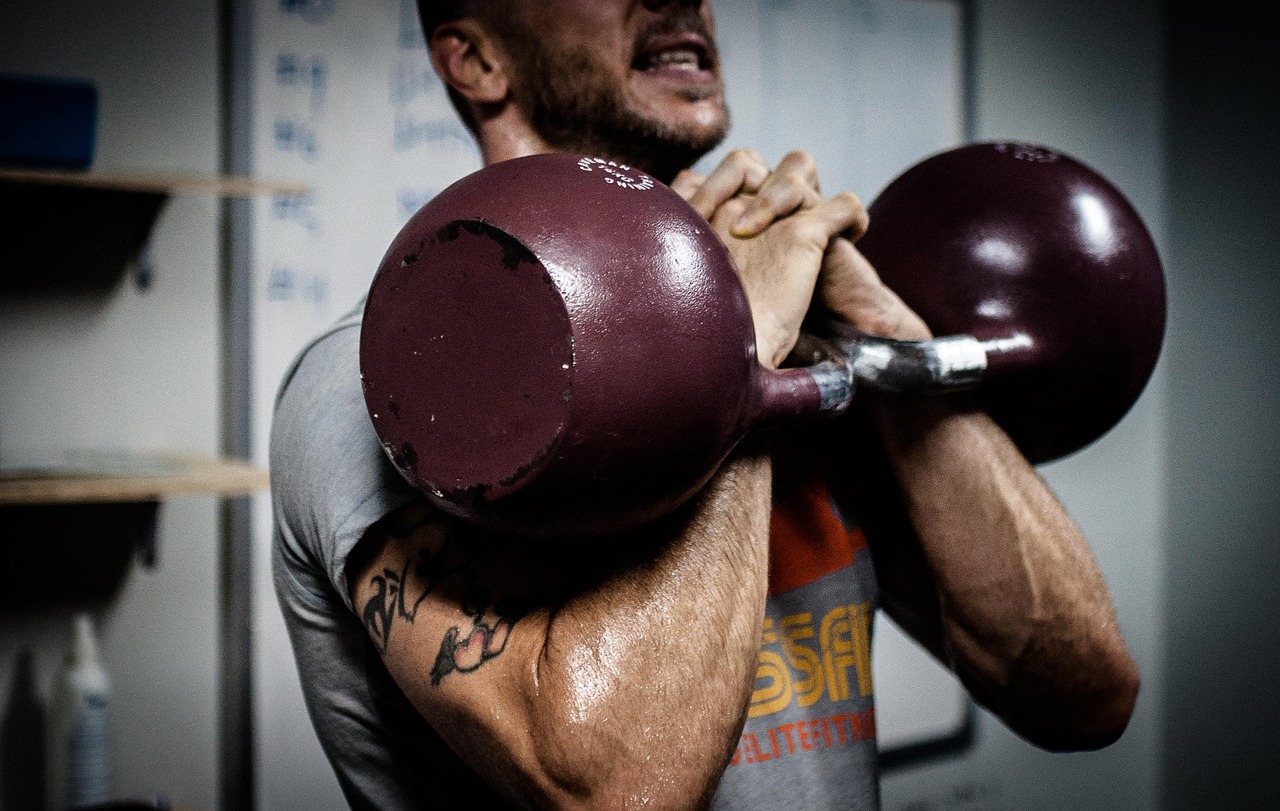

Creating a Periodized Plan Combining CrossFit and Kettlebell Training
CrossFit has gained massive popularity over the years due to its high-intensity workouts that produce excellent results. Combining CrossFit with kettlebell training can further enhance your fitness journey. Both approaches utilize functional movements that build strength, endurance, and flexibility, making them a perfect match. To create a periodized plan, start by identifying your fitness goals, such as weight loss, muscle gain, or improved athletic performance. Consider incorporating various kettlebell exercises such as swings, snatches, and Turkish get-ups into your regimen. These movements not only build strength but also improve coordination and balance, which are essential in CrossFit. Furthermore, periodization ensures that your training remains challenging and fun, while also preventing plateaus and reducing the risk of injury. You can structure your program by dividing it into different phases, each focusing on specific objectives. Typically, these phases might include a hypertrophy phase, strength phase, and power phase. Adjusting the volume and intensity throughout ensures consistent progress. Be sure to track your progress to make necessary adjustments along the way, allowing your body to adapt and thrive.
A strong foundation allows athletes to maximize their performance in both CrossFit and kettlebell training. To build this solid base, emphasize technique first. Proper form in kettlebell exercises directly influences CrossFit performance, especially during complex lifts. Start with basic kettlebell movements, focusing on posture and dynamics. Exercises like goblet squats and deadlifts are excellent for developing essential strength. Aim for 2-3 kettlebell sessions per week, ensuring a balance with your CrossFit workouts. Incorporate kettlebell circuit training and high-intensity intervals to keep workouts engaging. Customize sessions by altering reps, sets, and timed work periods for varied challenge levels. Remember, sufficient recovery time is vital, allowing muscles to repair and grow stronger. As your technique improves, introduce more advanced kettlebell drills to elevate your regimen. Consistency is also critical; sticking to your training schedule pays off significantly. To challenge yourself further, consider enrolling in kettlebell workshops or finding an experienced coach. Keep refining your skills and tracking progress regularly, adjusting your plan based on results and potential plateaus encountered. Striking this balance cultivates a more robust athletic performance overall.
Integrating CrossFit and Kettlebell Training
Integrating kettlebells into your CrossFit routine requires careful planning. Perform a needs analysis to find gaps in your fitness and determine how kettlebell exercises can fill them. Assess your performance in lift-specific movements within CrossFit, finding what leaves room for improvement. A great starting point includes including kettlebell swings as part of your warm-up, effectively engaging muscles necessary for Olympic lifts. Aim to work kettlebell training into your weekly schedule while maintaining optimal balance. This may mean an alternating schedule, where kettlebell strength training one day complements CrossFit workouts the next. Additionally, consider incorporating kettlebell conditioning workouts, enhancing endurance while working different muscle groups. Pair both training styles in cyclical training periods, allowing for greater strength and endurance adaptations. Challenge yourself by setting specific goals surrounding both training methods and tracking your progress closely. Gradually increase the complexity of workouts and stay committed to evolving techniques. As you embrace this dual approach, engage with online communities or local groups for motivation and support. Integrating kettlebell training with CrossFit will definitely maximize results and optimize athletic performance.
Adapting your kettlebell workouts to suit your ongoing performance in CrossFit takes time and patience. Understanding the principles of periodization, focus on strength and conditioning, will yield progressive results. Allow for variations in exercise selection during different phases, switching exercises between cycles. This keeps the body surprised while promoting positional strength through multiple movements. For instance, during hypertrophy training, focus on classically strong lifts like the overhead kettlebell press. As transitioning into strength cycles, incorporate more explosive movements such as kettlebell swings and cleans. Furthermore, ensure that the intensity and volume are appropriate for your fitness level, adjusting weights while considering fatigue and recovery. Monitor your heart rate throughout workouts and adjust your efforts accordingly. After building solid cardiovascular endurance, augment further by incorporating super sets combining kettlebell exercises and CrossFit styles. These implementation strategies cultivate efficient use of time while enhancing performance. Don’t underestimate the importance of nutrition and hydration during this process, supporting optimal health and recovery. Regularly reassess your goals, adjusting your plan as needed. This adaptability fosters continual improvement in CrossFit and kettlebell strength.
The Importance of Recovery
Alongside rigorous training, prioritize adequate recovery to avoid burnout or injury. Recovery is vital during your periodization plan, especially when integrating kettlebell workouts with CrossFit routines. Consider rest days essential for performance enhancement, allowing muscles to recuperate and adapt. Active recovery methods can significantly boost effective recovery periods. Activities such as stretching or foam rolling after training can alleviate soreness and tightness. Additionally, sleep must never be overlooked; it plays a crucial role in muscle recovery and performance improvements. Aiming for 7-9 quality hours of sleep per night may dramatically enhance your recovery capacity. Supplementing your diet with protein-rich foods helps rebuild muscle tissues damaged during workouts, supporting overall recovery. Staying hydrated is crucial for optimal performance and muscle recovery as well, so consume adequate water throughout your training sessions. Incorporating rest into your workout schedule helps prevent over-training, particularly during demanding CrossFit and kettlebell sessions. Don’t hesitate to add deload weeks when feeling fatigued; this helps reset your body and mind, ensuring readiness for future challenges. By implementing these recovery strategies into your periodization plan, you’ll aid tremendous improvements in fitness and strength.
Measuring progress in your combined CrossFit and kettlebell training can be insightful for adjustments and motivation. To effectively track enhancements, employ various methods such as keeping a training log. Document daily workouts, weights lifted, and Reps performed regularly. Utilize fitness apps or spreadsheets to monitor growth over time, and analyze specific metrics like personal records or times on benchmark workouts. Consider including your heart rate and perceived exertion levels in your notes, to encompass a broader sense of workout intensity. Another helpful option is to periodically retest your abilities; setting time intervals to gauge personal improvements in specified lifts or workouts against the clock. You may also want to involve partners in your training who can provide feedback, insights, and encouragement throughout your journey. Engaging with local kettlebell competitions and CrossFit events allows you to witness measurable progress firsthand. These experiences sharpen determination and reveal attainable goals each session. Remember, celebrating small victories inspires continued growth. Establish new challenges based on your performance while integrating varied kettlebell drills over time. Measurement is crucial to keeping your focus on results and elevating your overall physical prowess.
Conclusion
Combining kettlebell training with CrossFit can lead to remarkable improvements in strength, endurance, and overall fitness. Following a periodized plan enables you to balance your training effectively while focusing on unique goals you wish to achieve. As you integrate both approaches into one regime, continually assess your progress and improve your skills. The unique versatility of kettlebell exercises aligns beautifully with the functional movements of CrossFit, creating a comprehensive training experience. Remember to maintain proper technique, allowing for consistent progression and nourishment of muscles physically and mentally. Establishing recovery strategies ensures that your body heals and is ready for future workouts. Staying adaptive and tracking progress enhances your commitment towards improvement. Engage in community efforts to remain inspired and motivate others along your journey. By applying the principles discussed, you’ll foster significant results as you merge kettlebell training with CrossFit effectively. Your training doesn’t have to be routine; challenge yourself, and embrace variety while sticking to a periodized plan. Enjoy the process as you discover the power of combining these two dynamic training styles into an exceptional fitness regime.